Skip to content
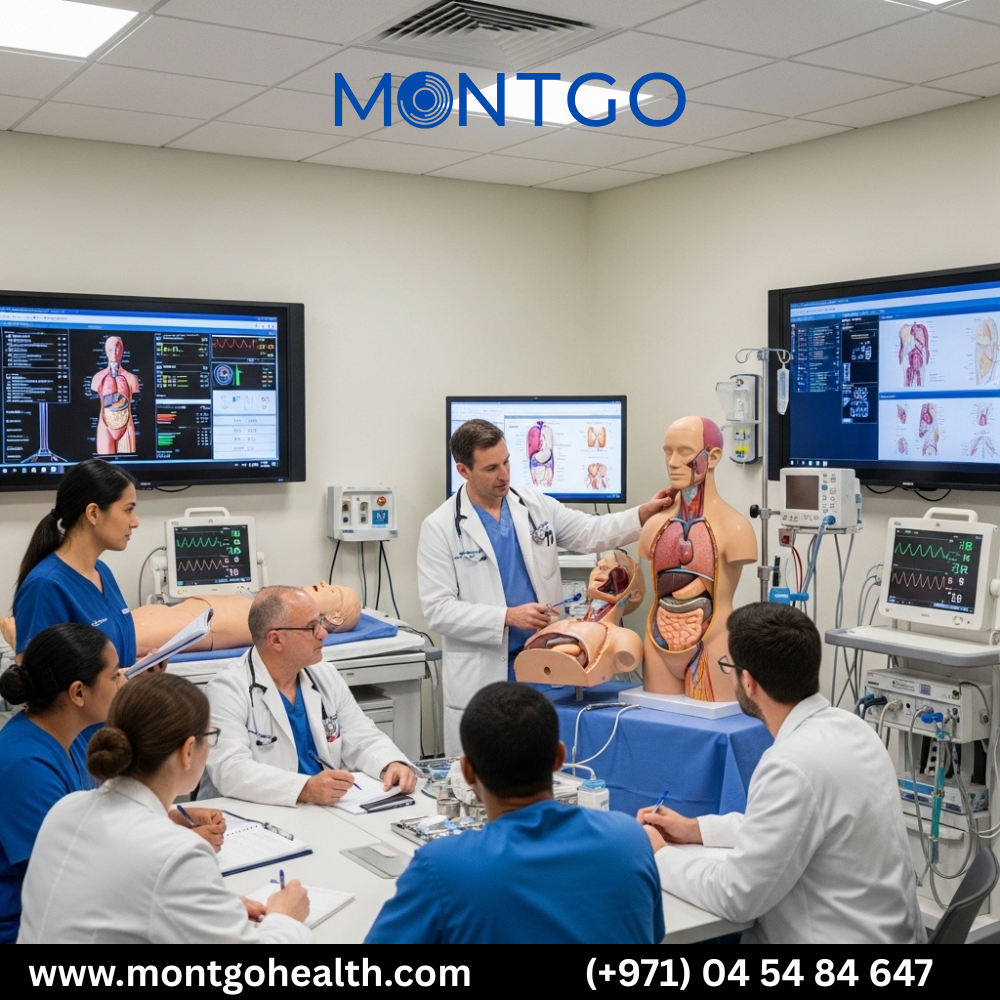
Healthcare has changed a lot over the years. New diseases, advanced technology, and higher patient expectations have made the medical field more complex than before. Because of these changes, medical training has become extremely important for healthcare professionals. Doctors, nurses, pharmacists, and other medical workers must be properly trained to provide safe and effective care. Medical training not only improves knowledge but also helps professionals develop the skills and confidence needed to handle different medical situations.
Building Strong Medical Knowledge
One of the main reasons medical training is essential is that it provides healthcare professionals with the knowledge they need to understand the human body and different diseases. Medical training teaches how organs work, how illnesses affect the body, and how different treatments can help patients recover.
Without proper knowledge, it would be difficult for healthcare workers to diagnose diseases or recommend the correct treatment. For example, a doctor needs to understand symptoms, medical history, and test results before deciding the best treatment plan. Medical training helps professionals learn these important processes and ensures that patients receive accurate care.
Ready to Start Your Medical Career in UAE?
Have questions about your medical license or facility setup? Contact us today and let’s make your journey seamless!
Ensuring Patient Safety
Patient safety is one of the most important responsibilities in healthcare. Even a small mistake in medicine, treatment, or diagnosis can have serious consequences. Medical training helps professionals learn how to avoid such mistakes by following proper procedures and safety guidelines.
During training, healthcare workers practice different clinical skills, such as giving injections, monitoring vital signs, and handling medical equipment. They also learn how to manage patient records and communicate with other healthcare team members. This preparation helps reduce risks and ensures that patients receive safe and reliable treatment.
Keeping Up With Medical Technology
Modern healthcare depends heavily on technology. Hospitals and clinics use advanced machines for diagnosis, surgery, and patient monitoring. Examples include digital medical records, imaging machines, and modern surgical tools.
Medical training helps healthcare professionals understand how to use these technologies correctly. When professionals are trained in modern medical equipment, they can diagnose diseases faster and provide more accurate treatments. Learning to use technology also improves efficiency in hospitals and helps healthcare teams work more effectively.
Improving Communication With Patients
Good communication is an important part of healthcare. Patients often feel worried or confused about their medical conditions, so healthcare professionals must explain things clearly and calmly. Medical training helps professionals develop strong communication skills.
For example, doctors and nurses must explain treatment plans, medications, and possible side effects in simple language that patients can understand. When patients understand their condition and treatment, they are more likely to follow medical advice and take care of their health properly. Good communication also builds trust between patients and healthcare providers.
Adapting to New Medical Discoveries
The medical field is constantly evolving. New medicines, treatments, and research findings are introduced every year. Because of this, healthcare professionals cannot rely only on what they learned in the past. Continuous medical training helps them stay updated with the latest developments in healthcare.
By attending training programs, workshops, and medical courses, professionals can learn new treatment methods and improve their clinical skills. This allows them to provide modern and effective care instead of using outdated medical practices.
Ready to Start Your Medical Career in UAE?
Have questions about your medical license or facility setup? Contact us today and let’s make your journey seamless!
Preparing for Emergency Situations
Medical emergencies can happen at any time, such as accidents, heart attacks, or severe infections. In these situations, quick and correct action can save lives. Trainings prepares healthcare professionals to stay calm and respond effectively during emergencies.
Through practical training and simulations, healthcare workers learn how to perform life-saving procedures such as first aid, emergency treatment, and patient stabilization. This preparation helps them act quickly and confidently when a patient’s life is in danger.
Conclusion
Medical training plays a vital role in modern healthcare. It helps healthcare professionals build strong medical knowledge, maintain patient safety, use advanced technology, and communicate effectively with patients. Continuous training also ensures that professionals stay updated with new medical discoveries and are prepared to handle emergencies.
In today’s fast-changing healthcare environment, proper Training is not just important it is essential. Well-trained healthcare professionals can provide better treatment, improve patient outcomes, and contribute to a safer and more effective healthcare system for everyone.
Faqs
- What is medical training?
Medical training involves learning clinical skills, patient care, and healthcare procedures to prepare for professional practice. - Who can attend medical training programs?
Students, healthcare professionals, and anyone seeking to enhance their medical knowledge or specialize in a field can join. - How long does medical trainings take?
Duration varies from a few days for workshops to several years for formal degrees or residency programs. - Are medical training programs online available?
Yes, many institutions offer online courses, webinars, and virtual simulations for flexible learning. - What topics are covered in medical trainings?
Topics include anatomy, diagnostics, clinical procedures, patient care, emergency response, and medical ethics. - Why is medical training important?
It ensures healthcare professionals are competent, confident, and up-to-date with best practices for safe patient care.