Skip to content
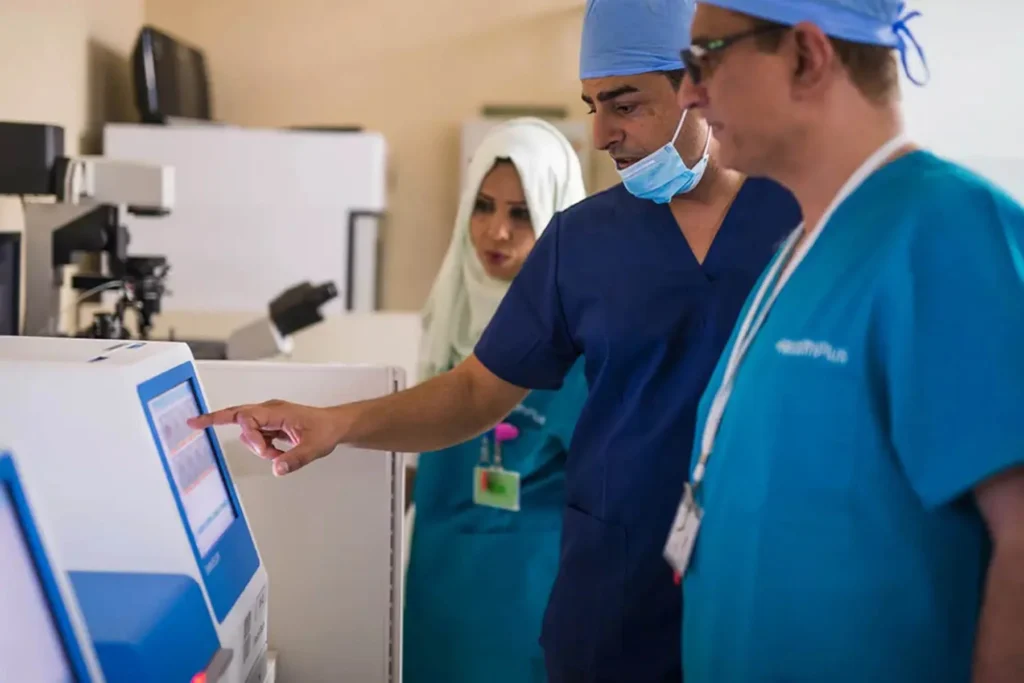
The Department of Health Facility Licensing plays a crucial role in ensuring that healthcare facilities meet established standards for safety, quality, and patient care. This department is responsible for issuing licenses to hospitals, nursing homes, outpatient clinics, and other health facilities. It sets guidelines, monitors compliance, and provides oversight to ensure that healthcare providers deliver safe and effective services. In this blog, we will explore what the Department of Health Facility Licensing covers, why it is essential, and how it impacts healthcare services and patients.
What is the Department of Health Facility Licensing?
The Department of Health Facility Licensing is a regulatory body that oversees the operations of healthcare facilities. The department is responsible for ensuring that these facilities adhere to the laws, regulations, and guidelines that govern healthcare services in a specific region, such as a state or country. The goal is to maintain a high standard of care, ensure patient safety, and provide a framework for healthcare providers to operate legally and efficiently.
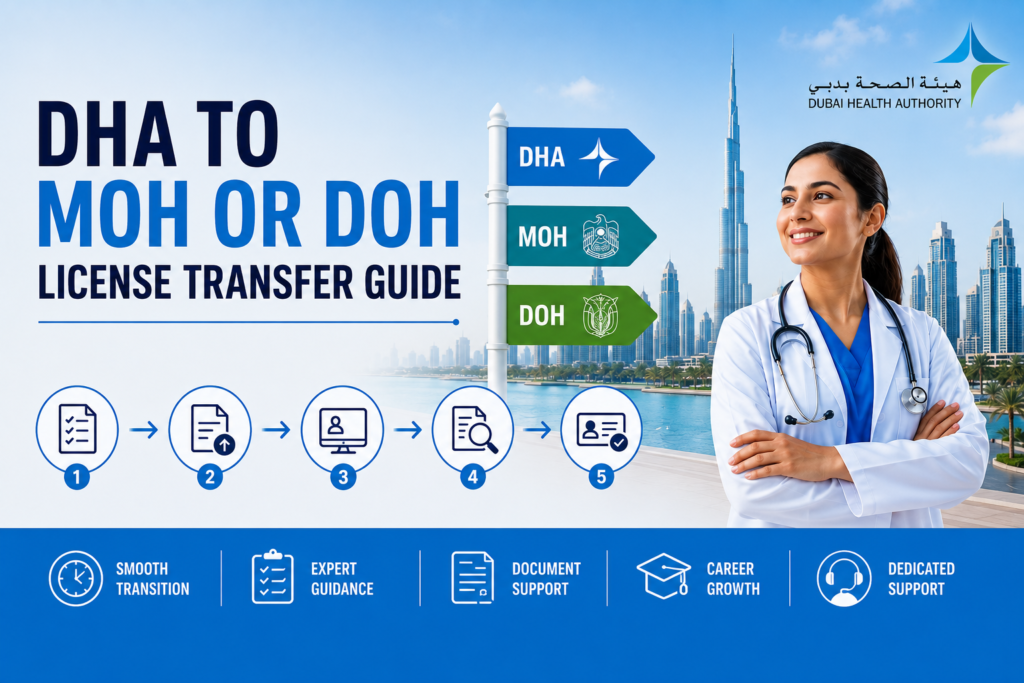
Any healthcare establishment requires a license from the Department of Health for legally operating it in most parts of the country. The license certifies that the establishment is qualified to care for patients and that its work aligns with public health standards. The licensing process involves extensive inspections and evaluations from various healthcare perspectives such as physical infrastructures and qualification levels of staff.
What Does Facility Licensing Cover?
The scope of the Department of Health Facility Licensing encompasses several important areas that directly impact the safety and well-being of patients. These areas include:
1. Facility Infrastructure and Design
One of the fundamental aspects of health facility licensing is ensuring that the building itself meets safety and design standards. The department reviews the facility’s layout, design, and accessibility to ensure it is appropriate for providing medical care. This includes:
- Adequate space: Ensuring that the facility has sufficient space for patient care, staff operations, and storage.
- Safety features: Verifying that the facility has fire exits, emergency systems, and equipment for disaster preparedness.
- Accessibility: Ensuring that the building is accessible to patients with disabilities, including wheelchair ramps and elevators.
- Sanitation and hygiene: Assessing cleanliness and sanitation practices to prevent the spread of infections.
The department ensures that the facility’s physical environment is conducive to patient safety and that it can handle the demands of providing healthcare services.
2. Staff Qualifications and Training
Another critical area covered by the Department of Health Facility Licensing is the qualification and training of staff. Healthcare facilities are required to employ qualified and licensed professionals, such as doctors, nurses, therapists, and technicians. The licensing process verifies that the healthcare providers meet the required educational and professional standards.
This includes ensuring that:
- Medical staff have valid licenses and certifications.
- Nurses and other healthcare professionals are properly trained and up-to-date with their continuing education.
- Management staff have experience and qualifications in healthcare administration.
Additionally, the department may assess the facility’s training programs for staff, ensuring that ongoing training is provided to keep staff up-to-date with the latest medical practices, safety protocols, and regulations.
3. Patient Care and Safety Standards
A fundamental component of health facility licensing is ensuring that healthcare providers follow established patient care and safety standards. This includes:
- Patient treatment protocols: Ensuring that the facility follows evidence-based practices for diagnosis, treatment, and patient care.
- Infection control: Verifying that the facility has proper procedures for preventing and controlling infections, such as hand hygiene, sterilization, and isolation protocols.
- Patient privacy: Ensuring compliance with patient confidentiality laws, such as HIPAA (Health Insurance Portability and Accountability Act) in the United States, to protect patients’ medical information.
- Quality assurance: The department requires facilities to have processes in place for monitoring and improving the quality of care. This includes regular audits and performance assessments to identify areas for improvement.
The department’s inspection process evaluates how well the facility implements these standards and ensures that patients receive safe and effective care.
4. Emergency Preparedness and Disaster Plans
Healthcare facilities must be prepared to handle emergencies and disasters, such as natural disasters, pandemics, or mass casualty events. The Department of Health Facility Licensing requires facilities to have emergency preparedness plans in place. This includes:
- Emergency response protocols: Procedures for evacuating patients, providing urgent care, and communicating during crises.
- Backup systems: Ensuring that the facility has backup power supplies, such as generators, and other essential systems to maintain operations during emergencies.
- Staff training: Verifying that staff are trained to respond to emergency situations, including first aid, CPR, and mass casualty triage.
A facility’s ability to respond quickly and effectively to emergencies is a key factor in maintaining its license.
5. Compliance with Health Regulations
The Department of Health Facility Licensing is also responsible for ensuring that healthcare facilities comply with broader health regulations set by government agencies. These regulations may include:
- Environmental health regulations: Ensuring that the facility is free from environmental hazards, such as toxic substances or unsafe waste disposal practices.
- Medication management: Ensuring that medications are properly stored, dispensed, and administered according to regulatory standards.
- Food and nutrition standards: Ensuring that any food services meet health and safety standards for patient nutrition.
The department monitors whether a facility adheres to local, state, and federal health regulations and conducts inspections to verify compliance.
6. Licensing for Specific Types of Facilities
Certain healthcare facilities, such as nursing homes, hospitals, outpatient clinics, and rehabilitation centers, may have additional licensing requirements. For example:
- Nursing homes: These facilities may have additional rules regarding the care of elderly patients, including dementia care and long-term care services.
- Hospitals: Hospitals are subject to rigorous standards for staffing, specialized equipment, and emergency care services.
- Outpatient clinics: Outpatient facilities must adhere to safety and quality standards for non-emergency treatments and surgeries.
The Department of Health Facility Licensing ensures that these specialized facilities meet all the necessary criteria to operate safely and effectively.
Why is Facility Licensing Important?
The licensing of facilities serves an important purpose in that it ensures healthcare facilities comply with the standards it sets for care as well as for patient safety in health facilities. Poor patient care and unsatisfactory treatment or unsafe conditions can pose serious risks to the lives of patients. Licensing would be an important mechanism for public health protection, accountability maintenance, and building trust in the relationship between patients and health care providers.
Moreover, the process of facility licensing acts as a quality control measure, helping identify weaknesses and providing a framework for continuous improvement in healthcare delivery.
Conclusion
The Department of Health Facility Licensing plays an essential role in ensuring that healthcare facilities operate safely, efficiently, and in compliance with public health standards. From infrastructure and staffing to patient care, safety protocols, and emergency preparedness, facility licensing covers all aspects of healthcare facility operations. By ensuring that healthcare providers meet these high standards, the department helps to safeguard the well-being of patients and promotes the delivery of high-quality, safe medical care across the healthcare system. Contact Montgo Health
Frequently Ask Questions
Q. How can I get a medical license in UAE?
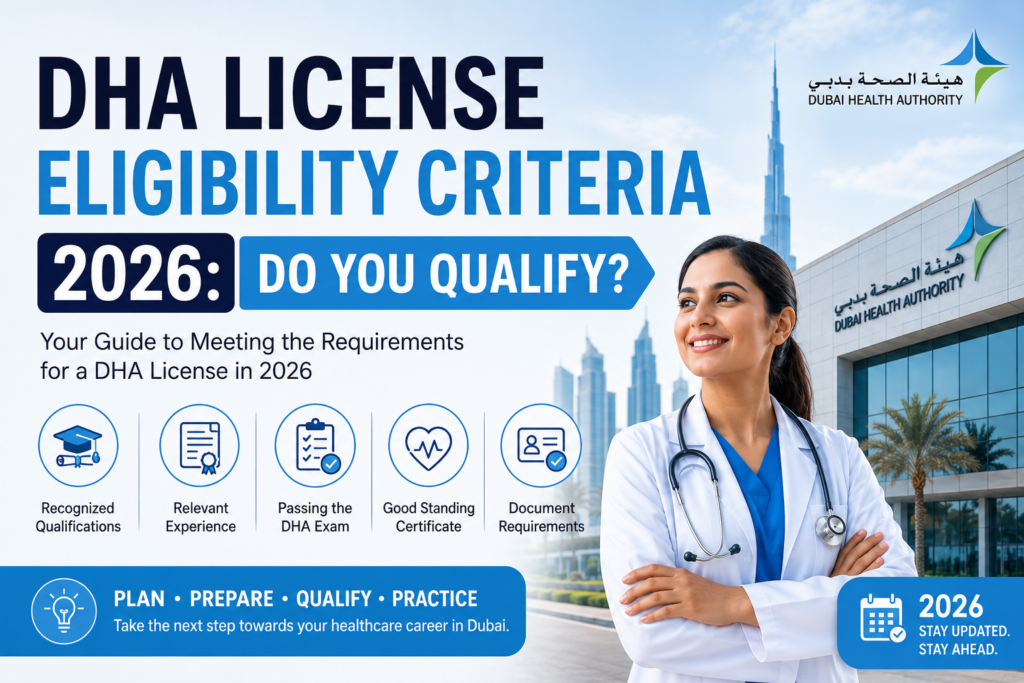
A. To get a medical license in the UAE, you must pass the necessary exams (such as DHA, HAAD, or MOH exams), submit required documents (e.g., medical degree, experience certificates), and undergo a verification process. Licensing is managed by local health authorities like DHA, HAAD, or MOH, depending on the emirate.
Q. How can I get a DOH license in the UAE?
A. To obtain a DOH (Department of Health) license in the UAE, candidates must pass the DOH licensing exam, provide proof of qualifications and clinical experience, and meet other health authority requirements. Successful completion leads to eligibility to work in healthcare facilities in Abu Dhabi.
Q. What are the healthcare licensing services in UAE?
A. Healthcare licensing services in the UAE include assessments and exams for medical professionals (doctors, nurses, etc.), facility licensing, and accreditation services for hospitals, clinics, and healthcare centers. These services are managed by regulatory bodies like DHA, DOH, and MOH.
Q. How to take an MOH license in the UAE?
A. To take an MOH (Ministry of Health) license in the UAE, medical professionals need to pass the MOH exam, submit necessary educational and professional documents, and undergo a qualification verification process. Once approved, you are eligible to practice in the UAE.
Q. Can a doctor work in Dubai without DHA license?
A. No, a doctor cannot legally work in Dubai without obtaining a DHA (Dubai Health Authority) license. The DHA license is mandatory for healthcare professionals to practice in the Emirate of Dubai.
Q. What is the salary of an MBBS doctor in Dubai?
A. The salary of an MBBS doctor in Dubai typically ranges from AED 15,000 to AED 30,000 per month, depending on experience, specialization, and the healthcare facility. Experienced doctors in private hospitals may earn higher salaries.