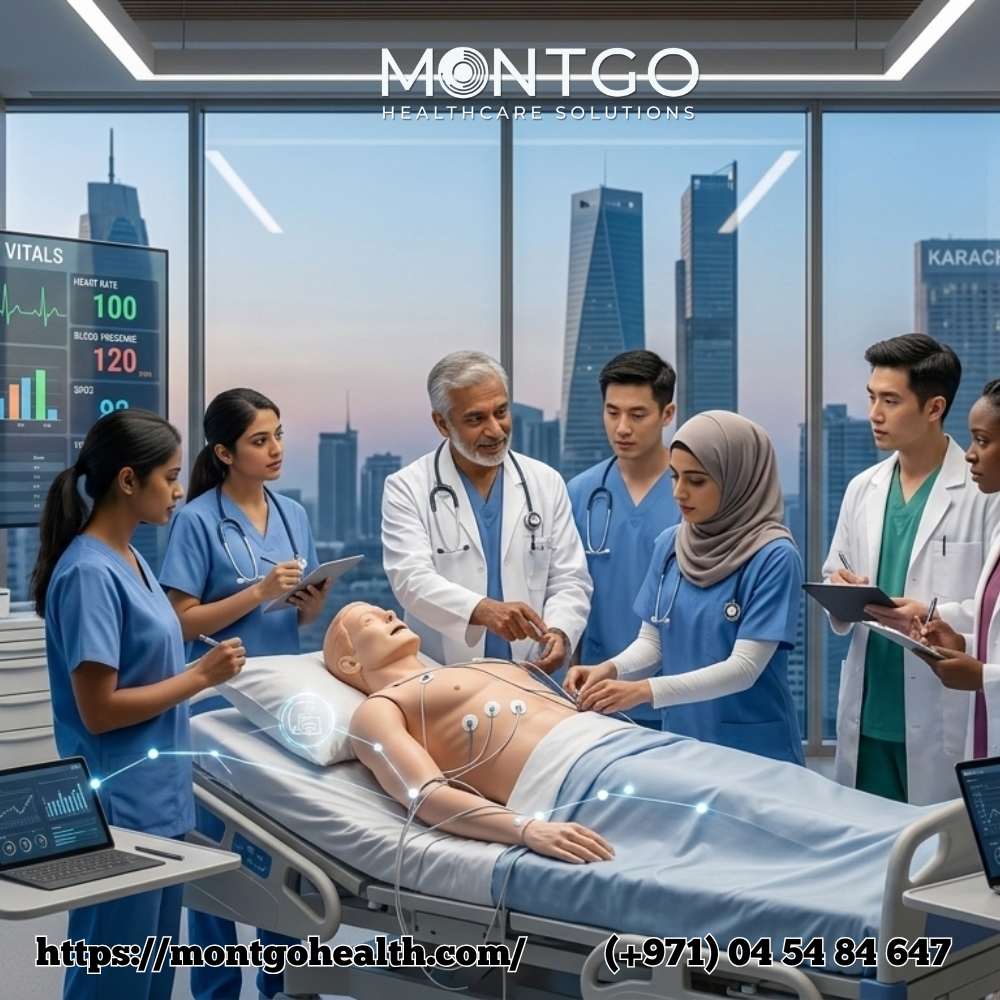
When you visit a doctor, nurse, or any healthcare professional, one thing is always true: they’ve gone through years of training and they continue learning even after they start working. Medical training isn’t just something done in school; it’s a lifelong commitment that helps healthcare professionals give safer, faster, and more accurate care.
Let’s break down how medical training actually improves the quality of patient care:
-
Better Skills Mean Better Care
Medical training teaches healthcare workers how to diagnose problems, use medical tools, handle emergencies, and perform procedures.
The more they practice, the better they get just like any skill in life.
Example:
A doctor who trains on new surgical techniques can perform operations with less pain and faster recovery for patients.
-
Updated Knowledge Saves Lives
Medicine changes fast. New diseases appear, new treatments are created, and old methods get replaced.
Ongoing training helps healthcare workers stay updated so they don’t rely on outdated information.
Why this matters:
- New medicines might work better
- New machines can detect diseases earlier
- Updated guidelines help reduce mistakes
-
More Confidence = Better Decisions
When medical professionals train regularly, they gain confidence.
Confident decision-making is extremely important in healthcare, where every second can matter.
Confident professionals are better at:
- Handling emergencies
- Making quick but safe decisions
- Communicating clearly with patients
-
Reduces Errors and Increases Safety
Training teaches not only “what to do,” but also “what not to do.”
Error-prevention training helps reduce mistakes that could harm patients.
This includes:
- Proper hand hygiene
- Medication safety
- Correct patient identification
- Double-checking procedures
Patient safety can be significantly improved by small changes.
-
Improves Teamwork in Hospitals
Healthcare is a team effort. Doctors, nurses, technicians, and therapists must work together smoothly.
Training in teamwork and communication helps everyone stay organized and reduces misunderstandings.
Good teamwork leads to:
- Faster treatment
- Fewer mistakes
- Happier patients
-
Better Communication With Patients
Training isn’t only about medical skills.
Healthcare workers also learn how to talk to patients in a caring, respectful, and clear way.
When patients understand their condition and treatment, they feel more comfortable and recover better.
-
Helps Hospitals Provide High-Quality Service
Hospitals with strong training programs usually provide better care overall.
Staff training creates a “culture of learning,” where everyone is encouraged to grow and improve.
This leads to:
- Shorter wait times
- Better patient experiences
- Higher trust from the community
Does training improve patient satisfaction?
Yes, training definitely improves patient satisfaction. When healthcare workers are well-trained, they communicate better, make fewer mistakes, respond more confidently, and work more efficiently as a team. This leads to faster service, safer care, and a more comfortable and positive experience for patients.
What kinds of medical training exist?
There are several types of medical training that help healthcare workers provide better care. These includes:
- Clinical skills training
- Emergency response training
- Communication and teamwork training
- Technology and equipment training
- Continuing education courses
Conclusion
Medical training directly improves patient care because it keeps healthcare professionals skilled, confident, updated, and ready for anything. When doctors and nurses learn more, patients receive safer, quicker, and better treatment.
Faqs
-
What are medical trainings?
Medical trainings are programs that teach healthcare skills such as patient care, diagnosis, treatment, and medical procedures. -
Who can take medical training courses?
Doctors, nurses, medical students, paramedics, and anyone interested in healthcare careers. -
Why are medical trainings important?
They help healthcare workers stay updated with new techniques, improve patient care, and maintain safety standards. -
What types of medical trainings are available?
First aid, CPR, emergency care, nursing skills, medical laboratory training, and clinical procedures. -
How long do medical training programs last?
Duration can range from a few hours for basic courses to several months for advanced medical programs. -
Do medical trainings provide certificates?
Yes, most training programs offer certificates after successful completion.