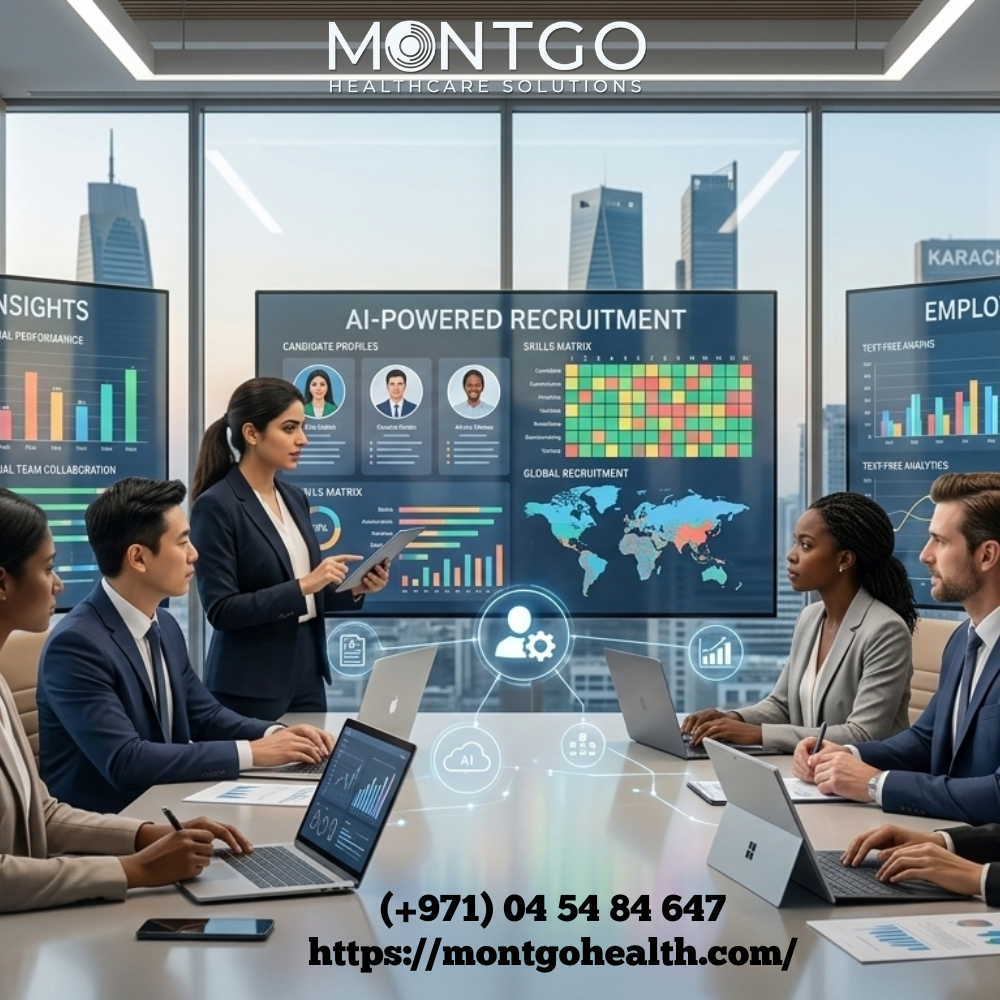
The world of work is changing faster than ever. New technology, new employee expectations, remote work, and global competition mean that yesterday’s HR strategies won’t guarantee tomorrow’s success.
So the big question for every business today is: Is your Human Resource Management (HRM) strategy ready for the future?
Let’s break it down:
-
The Future of HR Is About People + Technology
HR used to focus mainly on hiring, payroll, and handling employee issues. While those tasks still matter, the modern HR team must think bigger.
A future-ready HR strategy uses technology to make work smoother and smarter. This includes tools for:
- Online recruitment and applicant tracking
- Digital learning platforms
- Automated payroll and attendance systems
- AI-powered analytics to understand employee performance and engagement
But remember technology should support humans, not replace them. The goal is to give HR more time to focus on what matters: people.
-
Skills Matter More Than Job Titles
Jobs are changing quickly. The skills needed today may not be the same 2–3 years from now. That means companies should focus on continuous learning.
A future-focused HR strategy should include:
- Training programs that help employees learn new skills
- Upskilling (improving current skills)
- Reskilling (learning new roles when old roles fade away)
- Opportunities for career growth
When employees grow, the company grows.
-
Employee Experience Is the New Employee Engagement
Modern employees expect more than just a salary. They want:
- Flexibility
- Purpose
- Respect
- Work-life balance
- Healthy workplaces
- Clear communication
- Support for mental well-being
A future-ready HR strategy looks at the entire employee journey from the day they apply to the day they retire or move on.
When employees feel valued, they stay longer, perform better, and speak positively about your company.
-
Diversity and Inclusion Are Not Optional
Companies that embrace different backgrounds, cultures, and ideas perform better. It’s that simple.
A future-ready HR strategy should aim to:
- Reduce bias during hiring
- Create equal opportunities for everyone
- Build a workplace where everyone feels safe and respected
Diversity is not just a policy it’s a strength.
-
Data-Driven HR Decisions
Future-ready HR teams use data to understand:
- Why employees leave
- What motivates them
- Which candidates are the best fit
- How to improve performance
- What training works best
Instead of guessing, HR can now use real insights to make smarter decisions.
-
Flexible and Hybrid Work Models Are Here to Stay
Remote work isn’t a trend anymore, it’s a normal part of business.
A modern HR strategy must be able to:
- Manage remote and hybrid teams
- Support digital collaboration
- Build trust through results, not monitoring
- Maintain company culture even when teams are apart
Flexibility is one of the biggest expectations of today’s workforce.
So, Is Your HR Strategy Future-Ready?
Here’s a quick checklist:
- Are you using technology to improve HR processes?
- Are your employees continuously learning?
- Do you prioritize employee experience?
- Is your workplace inclusive and diverse?
- Are your HR decisions supported by data?
- Do you support flexible working models?
You’re headed in the correct direction if you said “yes” to the majority of these questions.
If not, now is the perfect time to start upgrading your HR strategy.
Conclusion
Being future-ready isn’t about being perfect. It’s about being prepared, staying flexible, and focusing on what truly matters to your people.
Companies that care for their employees today will be the ones that succeed tomorrow.