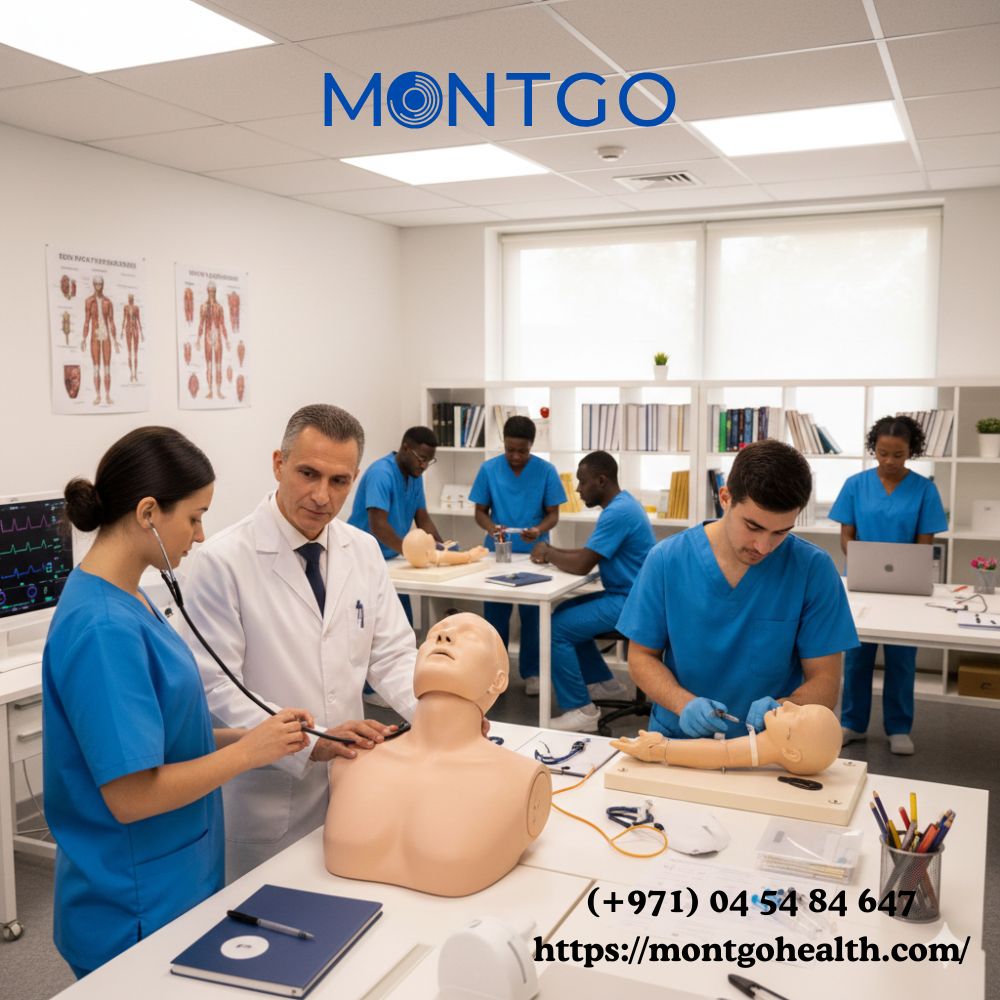
In the medical field, knowledge and skills are constantly evolving. Doctors, nurses, and healthcare professionals need to stay up-to-date to provide the best care for their patients. This is where medical training programs play a key role.
- Learn the Latest Techniques
Medicine is always advancing. New treatments, equipment, and procedures are introduced all the time. Training programs help medical professionals learn these latest techniques, so they can use the most effective methods in their work. - Improve Practical Skills
Medical training isn’t just about theory. It often includes hands-on practice, simulations, and real-life scenarios. This helps healthcare workers gain confidence and improve their skills before treating actual patients. - Boost Career Opportunities
Completing specialized training programs can open doors to better job positions and higher salaries. Employers often prefer professionals who continue learning and upgrading their skills. - Enhance Patient Safety
Well-trained medical staff can prevent mistakes and handle emergencies more effectively. Training programs teach not just technical skills but also how to make quick decisions under pressure. - Build Professional Confidence
When healthcare workers practice and learn continuously, they feel more confident in their abilities. Confidence is important because it directly affects how they interact with patients and handle critical situations. - Stay Compliant with Standards
Many medical training programs include updates on rules, regulations, and ethical practices. Staying informed ensures that professionals follow proper guidelines, which keeps patients safe and facilities compliant.
What are medical training programs in Dubai?
Medical training programs in Dubai teach skills for healthcare jobs and can lead to certifications or degrees.
Types:
- Short courses: First Aid, BLS, ACLS (1–5 days)
- Diplomas/certificates: Nursing Assistant, Pharmacy Tech, Lab Tech (3–12 months)
- Professional degrees: Medicine, Nursing, Physiotherapy, Pharmacy (3–6 years)
- Specialized training: Medical Coding, Health & Safety, Emergency Response
Where can you find healthcare training programs in Dubai at various centers?
Medical training courses are available in Dubai at:
Training Centers & Institutes
- CNA Training Institute nursing Assistant & care courses
- Prime Wellness Training Institute First Aid, CPR, life‑support
- Safety and emergency training at Save Fast Training Academy
- Dubai Health Training & Simulation Center practical healthcare simulations
Universities (degrees)
- Mohammed Bin Rashid University of Medicine & Health Sciences
- Royal College of Surgeons in Ireland (Dubai)
Official Authority
- Dubai Health Authority (DHA) – workshops, clinical training, licensing programs
Tip: To operate lawfully in Dubai, always select programs authorized by the DHA or KHDA.
Can these programs help me get a better job in Dubai?
Yes! Completing medical training programs in Dubai can improve your job prospects:
- Short courses/certificates (First Aid, BLS, CNA, Medical Coding) → help you get entry-level hospital or clinic jobs quickly.
- Diplomas/technician courses (Nursing Assistant, Lab Tech, Pharmacy Tech) → qualify you for support roles in hospitals, often requiring DHA/MOH registration.
- Professional degrees (Medicine, Nursing, Physiotherapy) → open higher-paying clinical careers, but you must have a DHA/MOH license.
Are online medical training programs available in Dubai?
Indeed, Dubai offers online medical education programs.
- DHA online workshops and training for healthcare professionals
- Institutes also provide virtual courses in medical coding, allied health fields, and exam preparation.
- DHA licensing exam prep virtual classes and mock tests
Conclusion
Medical training programs are essential for skill growth. They help healthcare professionals stay current, improve their practical skills, and provide better care for patients. Continuous learning in medicine isn’t just a choice, it’s a necessity for success and safety.
Faqs
-
What are medical training programs?
They are structured courses that teach clinical, technical, and practical skills required for medical and healthcare roles. -
Who can join medical training programs?
Students, healthcare graduates, and professionals seeking skill development can enroll, based on program requirements. -
What skills are taught in medical training programs?
Programs cover clinical procedures, patient care, medical ethics, and use of healthcare equipment. -
How long do medical training programs last?
Duration ranges from short-term certifications to extended diploma or residency-style programs. -
Are medical training programs accredited?
Many programs are accredited by educational or healthcare authorities, ensuring recognition and quality standards. -
Do these programs help with career growth?
Yes, they enhance practical experience, improve credentials, and open doors to healthcare job opportunities.