Montgo Health Systems

Author: Montgo Health Systems

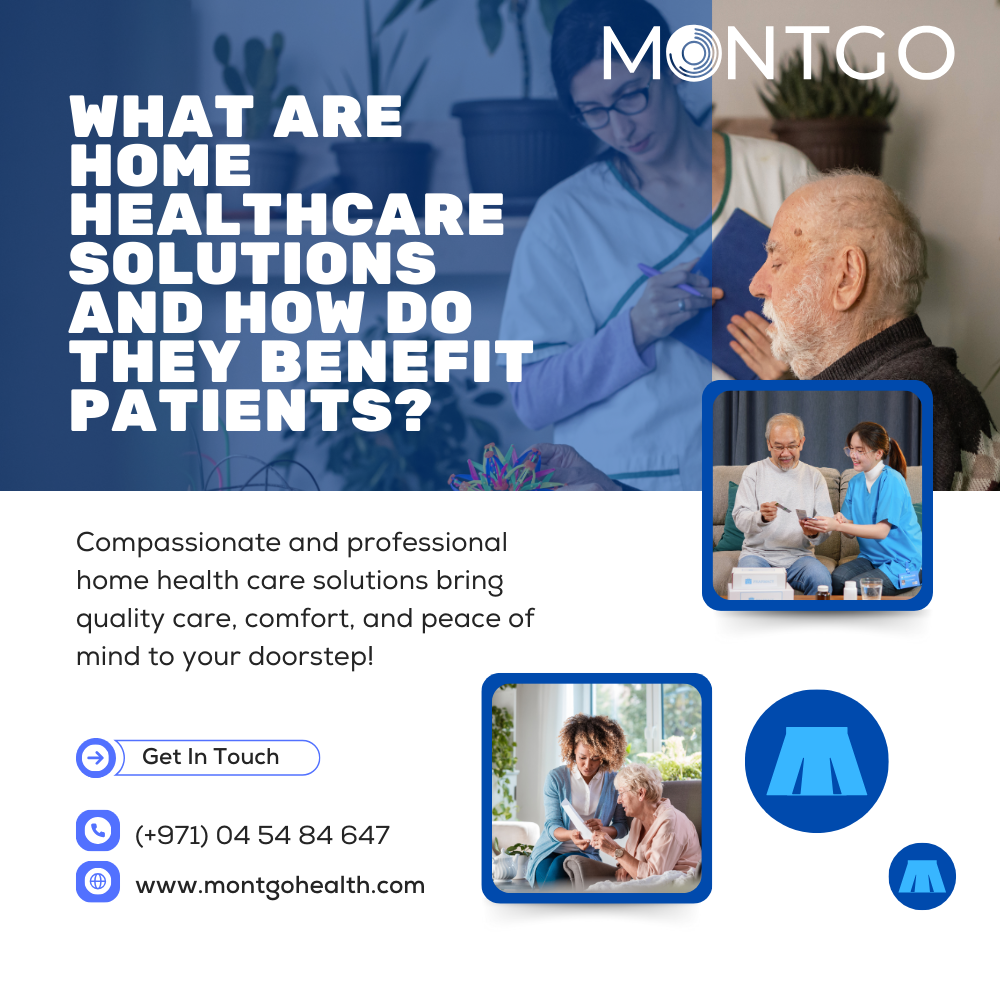
  • What Are Home Healthcare Solutions and How Do They Benefit Patients?

    What Are Home Healthcare Solutions and How Do They Benefit Patients?

    In recent years, the demand for home healthcare solutions has grown rapidly, reshaping how patients receive medical care. Whether due to chronic illness, post-surgery recovery, aging, or disability, many individuals now prefer the comfort and convenience of receiving healthcare services in their own homes. But what exactly are home healthcare solutions, and why are they so beneficial for patients?

    Understanding Home Healthcare Solutions

    Home healthcare refers to a range of medical and non-medical services provided in a patient’s residence. These services are typically prescribed by a doctor and carried out by licensed professionals such as nurses, physical therapists, occupational therapists, or home health aides. The goal is to offer high-quality, personalized care outside the traditional hospital or clinical setting.

    Some common home healthcare services include:

    • Skilled nursing care

    • Physical, occupational, and speech therapy

    • Medical social services

    • Wound care and medication management

    • Personal care support (e.g., bathing, dressing, grooming)

    • Chronic disease monitoring (e.g., diabetes, heart disease)

    Technology has further enhanced these services, with telehealth, remote monitoring devices, and mobile health applications making care more accessible and efficient.

    The Benefits of Home Healthcare for Patients

    1. Comfort and Convenience
      One of the most obvious benefits of home healthcare is the ability to receive care in a familiar and comfortable environment. Patients often feel more relaxed at home, which can lead to faster recovery and improved mental well-being. There’s no need for long hospital stays or repeated clinic visits, which can be both physically and emotionally draining.

    2. Personalized Attention
      Home healthcare provides one-on-one attention, allowing healthcare providers to tailor treatments specifically to the patient’s needs. This personalized care often results in better outcomes, as the care plan is closely monitored and adjusted based on progress.

    3. Cost-Effective
      Compared to extended hospital stays or nursing home care, home healthcare can be significantly more affordable. It reduces costs related to room charges, hospital food, and other associated services while still maintaining a high standard of care.

    4. Promotes Independence
      For elderly or disabled patients, maintaining independence is crucial for their dignity and mental health. Home healthcare supports this by enabling individuals to remain in their homes and perform daily activities with assistance, rather than being dependent on institutional care.

    5. Reduced Risk of Infections
      Hospitals can be hotspots for infections, especially for patients with compromised immune systems. Being cared for at home significantly lowers the risk of exposure to hospital-acquired infections.

    6. Family Involvement
      Family members can take a greater energetic role in their loved one’s care thanks to home healthcare. This not only ensures that patients feel supported but also helps families better understand the medical needs and how to assist.

    Conclusion

    Home healthcare solutions are transforming the way care is delivered, making it more compassionate, accessible, and effective. For patients recovering from illness or managing chronic conditions, these services offer a bridge between hospital and home, promoting healing in the place they feel safest. As technology advances and the healthcare landscape evolves, home healthcare is set to play an even greater role in ensuring wellness at every stage of life. For More Details Contact Montgo Health.


    Frequently Ask Questions

    Q. What is the healthcare system in the UAE?

    A. The UAE has a dual healthcare system comprising both public and private sectors. It provides high-quality, accessible medical services with strong government oversight. Healthcare in the UAE is regulated by various authorities like the Ministry of Health and Prevention (MOHAP), the Department of Health – Abu Dhabi (DOH), and the Dubai Health Authority (DHA). It is known for modern facilities, skilled professionals, and growing digital healthcare services.

    Q. What are the three significant improvements to the UAE’s healthcare system?

    • Digital Transformation: Widespread adoption of telemedicine, electronic health records (EHRs), and AI in diagnostics and care delivery.

    • Universal Health Insurance: Mandatory health insurance in emirates like Abu Dhabi and Dubai, ensuring better access to care.

    • Global Accreditation & Medical Tourism: Many hospitals are internationally accredited, and the UAE is growing as a destination for medical tourism.

    Q. Which is the largest healthcare system in the UAE?

    A. SEHA (Abu Dhabi Health Services Company) is the largest healthcare network in the UAE. It operates public hospitals and clinics across Abu Dhabi and plays a central role in delivering healthcare services in the emirate.

    Q. What is the biggest health problem in the UAE?

    A. Chronic lifestyle diseases are the biggest health issues in the UAE. These include:

    • Diabetes

    • Cardiovascular diseases

    • Obesity
      These are linked to sedentary lifestyles, unhealthy diets, and limited physical activity.

    Q. How does UAE promote health and wellbeing?

    A. The UAE promotes health and wellbeing through:

    • Public awareness campaigns (e.g., for fitness, nutrition, and smoking cessation)

    • Preventive screenings and vaccinations

    • National fitness programs like the Dubai Fitness Challenge

    • Investment in mental health, maternal care, and elderly support

    • Healthy city initiatives in line with WHO guidelines

    Q. Which disease is not allowed in UAE?

    A. Certain infectious diseases are considered inadmissible for residency in the UAE. These include:

    • HIV/AIDS

    • Hepatitis B and C

    • Tuberculosis (active cases)

    • Leprosy

    • Syphilis (in some cases)
      Foreigners applying for residence visas are required to pass medical tests and may be denied entry or deported if found positive for these diseases.
  • Why Is Healthcare Planning Critical for a Sustainable Medical System?

    Why Is Healthcare Planning Critical for a Sustainable Medical System?

    In an era where health challenges are evolving rapidly, healthcare plannings stands as the cornerstone of a sustainable medical system. From managing pandemics to ensuring accessible care in underserved areas, effective planning is essential to maintain and improve health services for current and future generations. But why exactly is healthcare plannings so critical? Let’s dive into it.

    1. Ensures Efficient Resource Allocation

    Resources in the healthcare sector—be it manpower, equipment, or finances—are limited. Without strategic planning, there’s a high risk of overuse in some areas and neglect in others. For instance, a region might be overstaffed with general practitioners but lack specialists or essential medical supplies. Through well-structured planning, healthcare systems can distribute resources where they’re needed most, preventing waste and promoting equity.

    2. Prepares for Future Challenges

    Healthcare is not just about addressing today’s issues. Planning anticipates tomorrow’s. Whether it’s the rise of chronic diseases, the aging population, or unexpected outbreaks like COVID-19, a sustainable system must be resilient and responsive. This requires data-driven forecasting, investment in infrastructure, and readiness for rapid adaptation. When governments and institutions plan ahead, they can respond quickly and effectively to emerging health crises.

    3. Promotes Universal Access

    One of the biggest challenges in global healthcare is inequality. Many people, especially in rural or economically disadvantaged areas, struggle to access even basic health services. Strategic healthcare planning aims to bridge this gap. By identifying underserved regions and developing targeted interventions, planning supports the goal of universal health coverage—where every individual receives the care they need without financial hardship.

    4. Supports Cost-Effectiveness

    Healthcare costs are soaring worldwide. If left unchecked, they can cripple economies and burden citizens. Strategic planning helps control these costs by prioritizing preventive care, early diagnosis, and efficient treatment models. It also emphasizes the importance of digital health technologies and telemedicine, which reduce overhead costs while improving service delivery.

    5. Improves Quality of Care

    Sustainability isn’t just about maintaining services—it’s about improving them. Planning allows for continuous assessment and quality improvement. By setting standards, monitoring performance, and adapting strategies based on feedback, healthcare systems can offer better outcomes, enhance patient satisfaction, and boost public trust.

    6. Fosters Collaboration and Innovation

    Healthcare plannings encourages collaboration among stakeholders—governments, NGOs, private sectors, and communities. Such cooperation fuels innovation, drives policy changes, and promotes research and education. A unified approach ensures that the system evolves with scientific advancements, societal needs, and technological shifts.

    Conclusion

    A sustainable medical system doesn’t happen by accident—it’s built through thoughtful, proactive, and inclusive healthcare plannings. As the world continues to face complex health challenges, the importance of planning cannot be overstated. It’s not just about solving current problems but about shaping a healthier, fairer, and more resilient future for all. For Detail Contact Montgo Health.


    Frequently Ask Questions

    Q. How is the healthcare system in the UAE?

    A. The UAE has a modern, rapidly evolving healthcare system with both public and private sectors providing high-quality medical services. It features advanced medical infrastructure, a growing number of accredited hospitals, and government-led initiatives to promote wellness, disease prevention, and digital health.

    Q. What is the biggest health problem in the UAE?

    A. Non-communicable diseases (NCDs) such as cardiovascular disease, diabetes, and obesity are among the biggest health challenges in the UAE. These are largely driven by lifestyle factors such as poor diet, physical inactivity, and high rates of smoking and stress.

    Q. What is the Abu Dhabi Healthcare Capacity Master Plan?

    A. The Abu Dhabi Healthcare Capacity Master Plan is a long-term strategic initiative by the Department of Health to assess current healthcare demand and predict future needs. It aims to optimize resources, reduce service gaps, and ensure high-quality care across all regions of Abu Dhabi by 2040.

    Q. What is the healthcare forecasting in the United Arab Emirates (UAE)?

    A. Healthcare forecasting in the UAE projects increased demand due to population growth, aging demographics, and rising chronic conditions. The government uses data analytics and AI to anticipate future healthcare needs, workforce demands, and infrastructure investments.

    Q. Where does the UAE rank in healthcare?

    A. The UAE ranks highly in global healthcare indexes. As of recent rankings, it is among the top countries in the Middle East for healthcare quality and accessibility, and consistently appears in the top 20–30 globally, depending on the metric used.

    Q. What are the future plans of the UAE in healthcare?

    A. Future plans include expanding telemedicine, integrating AI and digital health solutions, building medical tourism hubs, increasing preventive care programs, and training a skilled healthcare workforce. Vision 2031 also focuses on making the UAE a global leader in health innovation and wellness.

  • How Do Nurse Recruiting Companies Help Hospitals Find the Right Talent?

    How Do Nurse Recruiting Companies Help Hospitals Find the Right Talent?

    In the fast-paced world of healthcare, hospitals constantly face the challenge of finding qualified, compassionate, and experienced nurses to fill critical roles. Staffing shortages can affect patient care, increase burnout among existing staff, and disrupt hospital operations. This is where nurse recruiting companies step in — acting as a bridge between healthcare facilities and talented professionals. But how exactly do they help hospitals find the right talent? Let’s dive into the many ways these specialized recruitment agencies make a difference. Blogs

    1. Access to a Wide Talent Pool

    One of the biggest advantages nurse recruiting companies offer is their access to an extensive network of nursing professionals. These agencies maintain up-to-date databases of licensed practical nurses (LPNs), registered nurses (RNs), and nurse practitioners (NPs) with various specialties and experience levels. Whether a hospital needs a short-term travel nurse or a long-term permanent hire, recruiting companies have a broader reach than a hospital’s internal HR team might.

    2. Screening and Credential Verification

    Hiring the right nurse goes beyond checking a resume. It involves verifying credentials, assessing clinical skills, checking background and references, and evaluating a candidate’s personality fit for the organization. Nurse recruiting companies handle this rigorous screening process to ensure that every candidate meets the required professional standards and cultural fit. This lowers the possibility of a poor hire while also saving hospitals time.

    3. Filling Urgent and Hard-to-Staff Positions

    Some hospitals, particularly in rural or underserved areas, struggle to attract qualified nurses. Recruiting companies often specialize in placing nurses in these hard-to-staff roles by offering relocation assistance, competitive benefits, and other incentives. Moreover, they can rapidly deploy temporary staff to cover emergencies, seasonal demand, or sudden shortages due to illness or staff turnover.

    4. Saving Time and Resources

    The hiring process can be lengthy and resource-intensive. From job postings to interviews and onboarding, it takes considerable effort. Nurse recruiting firms streamline this entire process. They manage job advertisements, pre-screen applicants, schedule interviews, and even assist with onboarding and training. This allows hospital HR teams to focus more on internal employee support and less on the exhausting hiring cycle.

    5. Ensuring Quality Matches

    Perhaps most importantly, nurse recruiting agencies prioritize the quality of the match between nurses and hospitals. They take time to understand the unique culture, values, and needs of each healthcare facility. By aligning candidates with those values, agencies increase job satisfaction and retention rates. A well-matched nurse not only delivers better patient care but also fosters a positive work environment.

    Conclusion

    In today’s competitive healthcare landscape, nurse recruiting companies play a vital role in connecting hospitals with top-tier talent. By offering access to a large talent pool, handling the screening process, and saving valuable time and resources, these companies ensure hospitals can continue to deliver high-quality care without the staffing struggles. For any healthcare facility aiming to strengthen its workforce, partnering with a reputable nurse recruiting agency could be the smartest move.


    Frequently Ask Questions

    Q. Which agency recruits nurses to the UAE?

    A. Well-known agencies like Oriana Hospital Recruitment, Abba Personnel Services, and Adevia Health actively recruit licensed nurses to hospitals and clinics across the UAE, offering placement assistance and relocation support.

    Q. How much do recruitment agencies charge in UAE?

    A. Most reputable recruitment agencies in the UAE charge employers, not candidates, but if applicable, service fees can range from AED 500 to AED 3,000, depending on the agency and level of assistance provided.

    Q. What is the salary of a Nurse in UAE?

    A. The average monthly salary for nurses in the UAE ranges from AED 4,000 to AED 8,000, based on experience, specialization, and whether they work in government or private healthcare facilities.

    Q. Which license is best for nurses in UAE?

    A. The best license depends on the location of work—DHA for Dubai, HAAD/DOH for Abu Dhabi, and MOH for other Emirates—each enabling nurses to practice legally within that jurisdiction.

    Q. What is the salary of DHA Nurse in UAE?

    A. DHA-licensed nurses working in Dubai typically earn between AED 5,000 to AED 7,500 per month, with higher salaries available in private hospitals or for those with advanced specialties and experience.

    Q. What is the golden visa for nurses in UAE?

    A. The UAE Golden Visa allows highly skilled nurses to obtain 5- or 10-year residency, recognizing their critical role in healthcare and offering long-term career and settlement opportunities without needing a local sponsor.

  • How Do You Choose the Best Home Healthcare Provider for Your Loved Ones?

    How Do You Choose the Best Home Healthcare Provider for Your Loved Ones?

    When it comes to our loved ones, nothing matters more than their health, safety, and happiness. As they age or face health challenges, the decision to hire a home healthcare provider becomes crucial — and emotional. Choosing the right caregiver isn’t just about professional qualifications; it’s about trust, compassion, and peace of mind.

    Here’s a guide to help you find the best home healthcare provider for your loved ones:

    1. Understand Your Loved One’s Needs

    Before you even start your search, sit down and carefully assess what type of care your loved one requires.

    • Do they need medical care, personal care, companionship, or a combination of all three?

    • Are there special conditions like dementia, stroke recovery, or mobility issues to consider?

    Knowing exactly what kind of assistance is needed will help you choose a provider with the right expertise.

    2. Research Thoroughly

    Not all home healthcare providers are the same.
    Take time to:

    • Read online reviews.

    • Ask for recommendations from friends, doctors, or community groups.

    • Check if the agency is licensed, insured, and accredited by reputable organizations.

    Remember, a professional online presence and transparency about services often reflect the quality of care they offer.

    3. Check Credentials and Experience

    It’s essential to verify the caregivers’ qualifications:

    • Are they certified nursing assistants (CNAs), licensed practical nurses (LPNs), or registered nurses (RNs)?

    • How much experience do they have in handling situations similar to your loved one’s needs?

    • Does the agency perform background checks and regular training?

    Trust is built when you know the person entering your home is skilled, vetted, and professional.

    4. Evaluate Their Approach to Personalized Care

    The best providers don’t just offer one-size-fits-all services.
    Ask:

    • Will they create a customized care plan based on your loved one’s preferences, routines, and health goals?

    • How do they handle changes in health conditions?

    A flexible, personalized approach ensures your loved one receives care that feels comfortable and respectful.

    5. Meet the Caregivers Personally

    Whenever possible, arrange a meeting with the potential caregiver. Observe:

    • Their communication skills.

    • Their patience and listening ability.

    • Whether your loved one feels at ease around them.

    The emotional connection between caregiver and client is just as important as the professional service provided.

    6. Understand Their Emergency Protocols

    Emergencies can happen at any time.
    Ask providers:

    • How do they handle medical emergencies?
    • Is there a hotline open around-the-clock for critical issues?
    • Do they have backup caregivers if the primary one cannot make it?

    A strong support system behind the scenes ensures consistent, safe care.

    7. Review Costs and Payment Options

    Home healthcare can be expensive, so be clear about:

    • Hourly rates or package deals.
    • what’s covered and what isn’t always inside the service.
    • Insurance or government aid options that may help cover the cost.

    Always get a written agreement to avoid surprises later.

    8. Trust Your Instincts

    Trust your intuition over data and facts. If something feels off — even if everything looks good on paper — it’s okay to keep searching. After all, you’re choosing someone who will be a part of your family’s daily life.

    Conclusion
    Choosing a home healthcare provider is a major decision that deserves time, research, and heart. By being thorough and thoughtful, you can find someone who will not only care for your loved one’s health but also bring comfort, dignity, and warmth into their life. Contact For Detail Montgo Health.


    Frequently Aks Questions

    Q. Who is the largest healthcare provider in the UAE?

    A. SEHA (Abu Dhabi Health Services Company) is the largest healthcare network in the UAE, managing numerous public hospitals and clinics. In the private sector, NMC Healthcare and Mediclinic Middle East are among the largest.

    Q. How much does a home nurse cost in Dubai?

    A. The cost of a home nurse in Dubai typically ranges from AED 25 to AED 100 per hour, depending on the level of care required. Full-time monthly rates can start from AED 6,000 to AED 15,000 or more.

    Q. Which is the best healthcare in the UAE?

    A. Some of the top-rated healthcare providers in the UAE include Cleveland Clinic Abu Dhabi, American Hospital Dubai, and Sheikh Khalifa Medical City. Quality varies by specialization and location.

    Q. What services are offered by Genera Dubai?

    A. Genera Dubai offers home healthcare services, including skilled nursing, physiotherapy, elderly care, post-surgical care, mother and baby care, and chronic condition management at home.

    Q. What are the services provided by Etisalat?

    A. Etisalat provides telecommunications services including mobile and fixed-line services, internet (broadband), TV packages, cloud solutions, cybersecurity, and smart home services.

    Q. Who pays for services in Dubai?

    A. In Dubai, healthcare is typically covered by mandatory health insurance, either provided by employers or purchased individually. For other services, individuals pay directly or through private service providers, depending on the arrangement.

  • What Are Healthcare Facilities and Why Are They Important?

    What Are Healthcare Facilities and Why Are They Important?

    When we hear the term healthcare facilities, most of us think immediately of hospitals. While hospitals are the most recognized, healthcare facilities actually include a wide range of places dedicated to maintaining and improving health. These include clinics, nursing homes, rehabilitation centers, urgent care centers, diagnostic laboratories, mental health centers, and even pharmacies. All these facilities play a crucial role in delivering care to people at different stages of health — from preventive checkups to critical emergency interventions. Blogs

    The Meaning of Healthcare Facilities

    In simple terms, healthcare facilities are institutions that provide medical, surgical, or therapeutic services to individuals. These centers are equipped with medical professionals, specialized equipment, and necessary infrastructure to diagnose, treat, and manage various health conditions. Healthcare facilities can be public or private and vary in size and specialization. Some may focus on specific areas like maternity, mental health, rehabilitation, or elderly care, while others offer general services for a broad range of health needs.

    Why Are Healthcare Facilities So Important?

    1. Access to Medical Services

    The most direct reason for the importance of healthcare facilities is that they provide access to medical services. Without these facilities, people would struggle to receive treatment for illnesses, injuries, or chronic conditions. Healthcare facilities bridge the gap between patients and medical professionals who can diagnose, treat, and monitor their health.

    2. Disease Prevention and Early Detection

    Healthcare is not just about treating existing conditions; it’s also about preventing them. Facilities offer vaccinations, health screenings, and regular checkups that help detect problems early before they develop into serious or life-threatening diseases. The likelihood of a successful course of treatment is greatly increased by early identification.

    3. Emergency and Specialized Care

    Accidents and medical emergencies can happen anytime. Emergency departments and urgent care centers within healthcare facilities are crucial in providing immediate medical attention, sometimes making the difference between life and death. Additionally, specialized facilities like cardiac centers, cancer institutes, and orthopedic hospitals offer advanced treatments for specific health issues.

    4. Support for Chronic Conditions

    Chronic diseases like diabetes, hypertension, asthma, and arthritis require ongoing monitoring and management. Healthcare facilities provide patients with access to regular follow-ups, medication management, and lifestyle counseling, which helps them maintain a better quality of life.

    5. Mental Health Services

    Physical and mental well-being are equally vital. Facilities that focus on mental health provide counseling, therapy, and psychiatric care to help individuals manage mental health disorders, reduce stigma, and promote well-being.

    6. Economic Impact

    Healthcare facilities also contribute significantly to the economy. They create employment opportunities for doctors, nurses, technicians, administrative staff, and many others. Additionally, a healthy population leads to increased productivity and economic growth.

    Conclusion

    In today’s world, where health risks and diseases are ever-present, healthcare facilitie serve as the backbone of a functioning and healthy society. They are more than just buildings; they are lifelines. Without them, the management, prevention, and treatment of diseases would become nearly impossible. Ensuring that healthcare facilities are accessible, affordable, and well-equipped is not just important — it’s essential for the well-being of every community.


    Frequently Ask Questions

    Q. How many healthcare facilities are there in UAE?

    A. The UAE has over 4,000 healthcare facilities, including hospitals, clinics, and specialty centers across all Emirates.

    Q. Does the UAE have a good healthcare system?

    A. Yes, the UAE has a high-quality healthcare system with modern infrastructure, skilled professionals, and international standards.

    Q. Is medical facility free in the UAE?

    A. Medical care is free for UAE nationals in public hospitals, while expats require insurance or pay out of pocket.

    Q. Who is the largest healthcare in UAE?

    A. SEHA is the largest healthcare network in the UAE, managing public hospitals and clinics mainly in Abu Dhabi.

    Q. Who are the highly paid doctors in UAE?

    A. Neurosurgeons, cardiologists, and orthopedic surgeons are among the highest-paid doctors in the UAE.

    Q. Which Doctor has more demand in Dubai?

    A. Doctors in dermatology, general surgery, pediatrics, and family medicine are in high demand in Dubai.

  • How Marketing in Healthcare Drives Patient Engagement

    How Marketing in Healthcare Drives Patient Engagement

    In today’s digital age, healthcare is no longer limited to consultations, prescriptions, and procedures. It has become a highly competitive and patient-centered industry. Patients now have the power to choose where, when, and from whom they receive care. This shift makes marketing an essential tool in healthcare — not just for attracting new patients but for keeping them engaged and ensuring long-term growth.

    Why Healthcare Marketing Matters

    Healthcare marketing goes beyond traditional advertising. It focuses on building trust, creating awareness, and delivering value to patients even before they step into the clinic or hospital. With access to endless health information online, patients are becoming more proactive about their healthcare decisions. They research symptoms, read reviews, compare providers, and expect seamless, personalized experiences.

    This is where healthcare marketing comes in — helping organizations position themselves as trusted experts, educate patients, and meet their expectations. Whether it’s through websites, social media, content marketing, or patient portals, effective marketing bridges the gap between providers and patients.

    Driving Patient Engagement

    Engagement is more than getting patients to book an appointment. It’s about creating meaningful interactions before, during, and after treatment. Marketing helps achieve this in several ways:

    1. Educational Content: Blogs, videos, and infographics on health topics empower patients to make informed decisions. Educational content not only builds trust but also positions healthcare providers as thought leaders.

    2. Personalized Communication: Email newsletters, appointment reminders, and wellness tips tailored to patient needs help improve communication and maintain patient relationships.

    3. Social Media Presence: Platforms like Instagram, Facebook, and LinkedIn allow healthcare providers to engage with patients, answer queries, share health tips, and humanize their brand.

    4. Patient Reviews and Testimonials: Sharing real patient stories fosters credibility and motivates others to seek care confidently.

    Engaged patients are more likely to follow treatment plans, attend follow-ups, and recommend the facility to others, creating a cycle of patient satisfaction and loyalty.

    Fueling Growth

    Marketing doesn’t just engage; it directly contributes to business growth. Here’s how:

    • Attracting New Patients: Digital marketing techniques such as search engine optimization (SEO) and paid advertising help clinics and hospitals reach new audiences actively searching for healthcare services.

    • Brand Awareness: Consistent marketing boosts brand recognition, making the facility a top-of-mind choice when people need healthcare.

    • Improved Patient Retention: Loyal patients often become brand advocates. Satisfied patients share positive experiences, leading to word-of-mouth referrals — a powerful driver of growth.

    • Data-Driven Strategies: Modern marketing allows healthcare providers to track patient behavior, preferences, and feedback, helping them continuously improve services and marketing efforts.

    Conclusion

    In a rapidly evolving healthcare landscape, marketing is not just about promotion — it’s about creating valuable relationships. By educating, engaging, and understanding patients, healthcare providers can improve patient outcomes while fostering sustainable growth. The key is to prioritize patient needs at every touchpoint, from the first online search to post-treatment care. In doing so, marketing becomes a vital part of a healthier and more connected patient community. Contact Montgo Health


    Frequently Ask Questions

    Q. What is marketing in healthcare?

    A. Marketing in healthcare involves promoting medical services, improving patient engagement, and building brand awareness through various strategies.

    Q. Is marketing in demand in UAE?

    A. Yes, healthcare marketing is in high demand in the UAE as healthcare providers seek to attract patients and expand their services in a competitive market.

    Q. How is the healthcare system in the UAE?

    A. The UAE healthcare system is advanced, offering high-quality services through both public and private sectors, with modern facilities and skilled professionals.

    Q. What is the growth rate of the healthcare market in the UAE?

    A. The UAE healthcare market is growing rapidly, with an annual growth rate of around 7-8%, driven by increasing demand and medical tourism.

    Q. Who is the largest healthcare in UAE?

    A. SEHA (Abu Dhabi Health Services Company) is the largest healthcare provider in the UAE, managing numerous hospitals and clinics across the country.

    Q. What are the problems with healthcare in the UAE?

    A. Challenges in the UAE’s healthcare system include high costs for expatriates, a shortage of local healthcare professionals, and uneven distribution of healthcare facilities.

  • The Role of Medical Consultancy in Modern Healthcare

    The Role of Medical Consultancy in Modern Healthcare

    In today’s fast-evolving world of healthcare, the role of medical consultancy has become more vital than ever. As technology advances, diseases become more complex, and patient expectations rise, medical consultants act as the bridge between patients, healthcare providers, and innovative solutions. They play a significant role in enhancing the quality of healthcare delivery, improving patient outcomes, and optimizing the performance of healthcare institutions. Blog.

    What is Medical Consultancy?

    Medical consultancy, at its core, involves providing expert advice and guidance to healthcare organizations, professionals, and sometimes directly to patients. This advice can range from improving clinical practices and hospital management to developing healthcare strategies and implementing new technologies. Medical consultants are often highly experienced doctors, healthcare professionals, or specialists who have extensive knowledge of both the clinical and administrative sides of healthcare.

    Solving Challenges in Healthcare Institutions

    One of the main contributions of medical consultants is to help healthcare institutions navigate challenges effectively. Hospitals, clinics, and health centers often face issues such as rising operational costs, staff shortages, inefficient patient care systems, or outdated equipment. Medical consultants assess these challenges, analyze data, and provide evidence-based recommendations. Their objective viewpoint helps organizations make informed decisions, reduce unnecessary expenses, and boost efficiency without compromising the quality of care.

    Enhancing Patient Care

    Beyond hospital management, medical consultants also play a crucial role in patient care. With the rise of complex diseases like cancer, autoimmune disorders, and rare conditions, patients often seek second opinions or specialist advice. Medical consultants step in to evaluate diagnoses, treatment options, and management plans. Their expertise ensures that patients receive accurate diagnoses and the most suitable treatment, sometimes preventing unnecessary procedures or costly treatments.

    Shaping Healthcare Policies and Reforms

    Another important aspect of medical consultancy is its contribution to policy-making and healthcare system reforms. Governments and healthcare agencies often rely on consultants to shape policies that improve public health outcomes, control disease outbreaks, and manage healthcare budgets effectively. The COVID-19 pandemic, for example, highlighted how essential medical consultancy was in creating emergency response strategies, hospital protocols, and vaccination campaigns.

    Integrating Technology into Healthcare

    Medical consultants are also instrumental in integrating technology into healthcare. With the rise of telemedicine, AI-driven diagnostics, electronic health records (EHRs), and robotic surgeries, there is a growing need for expert guidance to ensure these technologies are implemented effectively and ethically. Consultants help healthcare providers select suitable technologies, train staff, and develop protocols that enhance patient safety and satisfaction.

    Conclusion

    Medical consultancy has become a cornerstone of modern healthcare. Its influence spans from direct patient care to shaping national healthcare policies. In a world where patients demand better care and healthcare providers are under constant pressure to improve, medical consultants offer valuable expertise to balance these demands. Their ability to innovate, strategize, and problem-solve ensures that healthcare systems not only survive but thrive in the face of modern challenges. As healthcare continues to evolve, the role of medical consultancy will undoubtedly become even more significant. Contact Montgo Health.


    Frequently Ask Questions

    Q. How can I get free medical treatment in the UAE?

    A. UAE nationals can get free treatment at government hospitals, while expats need insurance for coverage. In emergency cases, all individuals receive free treatment regardless of insurance status.

    Q. Which is the largest healthcare system in the UAE?

    A. SEHA is the largest healthcare system in the UAE, managing hospitals and clinics across Abu Dhabi. It serves millions of patients annually, offering a wide range of medical services.

    Q. How to become a consultant doctor in Dubai?

    A. To become a consultant in Dubai, you need a recognized degree, experience, and pass the DHA licensing exam. Consultants must also prove their expertise in a specific medical field through years of practice.

    Q. How is the medical system in the UAE?

    A. The UAE medical system is advanced, offering high-quality care in both public and private sectors. It integrates modern technology and attracts top medical professionals worldwide.

    Q. Who is responsible for medical insurance in UAE?

    A. Employers are responsible for providing health insurance for employees, while UAE nationals are covered by government insurance. Expats must obtain private health insurance, often arranged by employers.

    Q. What is the medical process in UAE?

    A. The medical process involves booking appointments, consulting doctors, and receiving treatment, with insurance for expats. Patients can access both public and private healthcare facilities for a range of services.

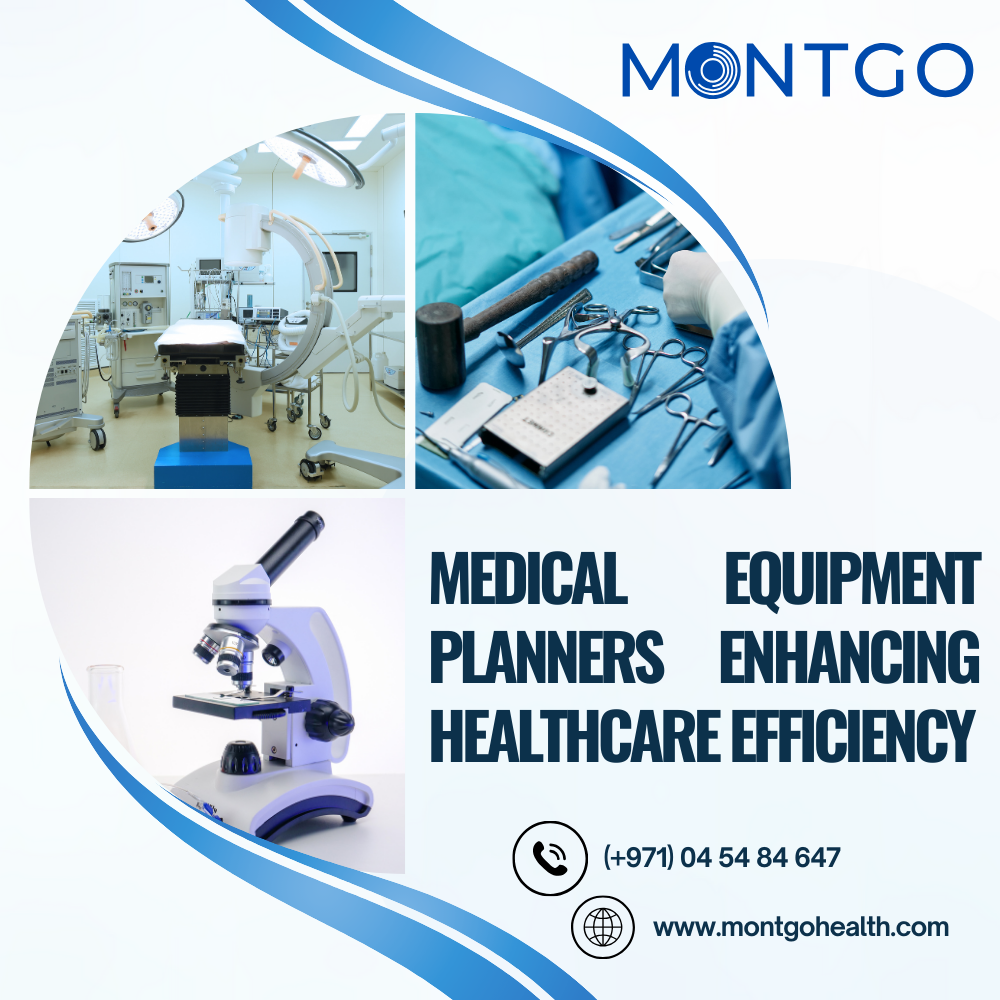
  • Medical Equipment Planners: Enhancing Healthcare Efficiency

    Medical Equipment Planners: Enhancing Healthcare Efficiency

    In today’s fast-evolving healthcare landscape, the role of Medical Equipment Planners (MEPs) has become more vital than ever. Behind every smooth-functioning hospital, clinic, or healthcare facility, there is a team of professionals who ensure that the right medical equipment is available, properly installed, and fully functional. These are the unsung heroes who work behind the scenes to enhance healthcare efficiency, improve patient outcomes, and reduce costs. Blogs

    Who are Medical Equipment Planners?

    Medical Equipment Planners are specialized professionals responsible for the selection, procurement, installation, and management of medical equipment in healthcare facilities. Their work begins at the earliest stages of a project, often collaborating with architects, engineers, hospital administrators, and clinical staff. Their goal is to ensure that every piece of equipment, from MRI machines to surgical tools, is planned, placed, and integrated in the most efficient and effective way.

    Why are Medical Equipment Planners Important?

    In a hospital or clinic, equipment is more than just tools—it’s the backbone of patient care. Poor planning can result in delays, financial losses, and even risks to patient safety. For instance, imagine building an operating room without considering the exact size and requirements of the surgical equipment. Fixing such mistakes later can be extremely costly and disruptive. This is where MEPs step in to prevent such issues by meticulously planning every detail related to medical equipment.

    An effective Medical Equipment Planner ensures that:

    • The equipment fits the space perfectly.

    • The infrastructure (electricity, plumbing, ventilation) supports the equipment.

    • Equipment selections meet the clinical needs and budget constraints.

    • Future upgrades or expansions are considered.

    • Employees are instructed on how to operate the equipment correctly.

    How Do Medical Equipment Planners Enhance Healthcare Efficiency?

    One of the major benefits of involving MEPs is the optimization of workflows. Well-planned equipment layouts can significantly reduce the time it takes for healthcare providers to access and use tools, thereby improving patient care. Moreover, proper equipment management reduces equipment downtime, increases its lifespan, and lowers maintenance costs.

    Another advantage is cost control. Since MEPs are familiar with the latest technologies, market prices, and equipment standards, they help healthcare organizations make cost-effective decisions without compromising on quality. They also help in negotiating with suppliers, selecting reliable vendors, and avoiding unnecessary purchases.

    Additionally, MEPs play a crucial role in regulatory compliance and safety. Medical equipment must adhere to strict health and safety regulations, and failure to comply can result in legal consequences. MEPs ensure that all equipment meets the required standards and certifications.

    Conclusion

    Medical Equipment Planners may not always be visible to patients, but their work has a direct impact on the quality of healthcare services. By aligning equipment choices with clinical needs, budgets, and regulations, they create safer, more efficient, and future-ready healthcare environments.

    As technology continues to advance, the role of MEPs will only become more important in shaping the hospitals and clinics of tomorrow. Their contribution is a critical factor in delivering timely, safe, and effective care to patients around the world. Contact Montgo Health


    Frequently Ask Questions

    Q. How do you manage medical equipment?

    A. Medical equipment management involves routine maintenance, calibration, inspection, and ensuring that equipment complies with safety standards. Effective management also includes keeping accurate records, scheduling repairs, and ensuring equipment is properly sterilized, stored, and disposed of.

    Q. Which authority regulates medical equipment in Dubai?

    A. In Dubai, the Dubai Health Authority (DHA) regulates medical equipment. Additionally, the Ministry of Health and Prevention (MOHAP) oversees the registration and approval of medical devices and equipment to ensure they meet national and international safety standards.

    Q. What is the meaning of equipment planning?

    A. Equipment planning refers to the process of identifying, selecting, and organizing the necessary tools, machinery, and devices required for a specific project, facility, or healthcare setting. It involves budgeting, procuring, and ensuring that equipment is appropriate, functional, and meets safety standards.

    Q. What equipment is handled in a hospital?

    A. Hospitals manage a wide range of medical equipment, including:

    • Diagnostic tools (X-ray, MRI, CT scanners)

    • Patient monitoring equipment (ECG, pulse oximeters, blood pressure monitors)

    • Surgical instruments (scalpels, forceps, surgical robots)

    • Therapeutic equipment (ventilators, infusion pumps)

    • Laboratory equipment (microscopes, centrifuges)

    • Rehabilitation devices (wheelchairs, physiotherapy machines)

    Q. What is the equipment management process?

    A. The equipment management process includes:

    • Procurement: Identifying and purchasing the necessary equipment

    • Installation and Commissioning: Setting up and testing equipment

    • Maintenance and Calibration: Regular checks, repairs, and adjustments to ensure proper functioning

    • Safety Compliance: Ensuring equipment meets safety standards

    • Decommissioning: Removing outdated or non-functional equipment from service

    Q. What is an equipment plan?

    A. An equipment plan is a comprehensive document that outlines the acquisition, use, maintenance, and replacement of equipment. It ensures that all necessary tools and devices are available and functioning properly, outlines a schedule for maintenance, and prepares for future equipment needs or upgrades.

  • How Healthcare Planning Improves Patient Care and Facility?

    How Healthcare Planning Improves Patient Care and Facility?

    Healthcare is more than just treating patients; it’s about creating a system where every patient receives the right care, at the right time, in the right place. Behind the scenes, effective healthcare planning plays a crucial role in ensuring that hospitals and clinics run smoothly while delivering high-quality care. But what exactly is healthcare planning, and how does it impact both patient care and facility efficiency?

    What is Healthcare Planning?

    Healthcare planning is the process of designing, organizing, and managing healthcare services and facilities to meet the needs of patients and communities. It involves the strategic use of resources, including staff, equipment, and infrastructure, to improve service delivery and ensure patient satisfaction. Healthcare planning is not limited to building hospitals; it also includes space management, technology integration, staff allocation, budgeting, and workflow optimization.

    Better Patient Care Through Thoughtful Planning

    One of the most noticeable benefits of healthcare planning is the improvement in patient care. When healthcare facilities are well-planned, they are better equipped to provide fast, accurate, and personalized treatment. A well-designed facility layout can reduce patient wait times, improve navigation within the hospital, and enhance privacy and comfort. For example, planning patient flow from admission to discharge ensures that unnecessary steps are avoided, leading to a smoother and less stressful experience for patients.

    Moreover, healthcare planning considers future trends and challenges, such as population growth, emerging diseases, and technological advancements. This proactive approach helps facilities stay ready to handle patient demands without compromising on quality. The integration of electronic health records (EHR) and telehealth services, made possible by strategic planning, ensures that patients receive coordinated care, even remotely.

    Boosting Facility Efficiency

    Efficiency in healthcare is about doing more with less, without sacrificing the quality of care. A well-planned healthcare facility makes optimal use of its resources, reducing waste and cutting down on operational costs. For instance, proper scheduling of staff and operating rooms minimizes idle time and prevents overcrowding. Streamlining processes such as registration, diagnostics, and treatment reduces bottlenecks and maximizes the use of available space and equipment.

    Healthcare planning also addresses staffing needs by matching the right number of healthcare professionals with patient demand. Understaffing can lead to burnout and errors, while overstaffing may strain the budget. Balancing this is key to maintaining efficiency.

    The Link Between Patient Satisfaction and Efficiency

    It is important to note that patient care and facility efficiency are deeply interconnected. Efficient systems lead to quicker diagnoses, shorter hospital stays, and faster recovery, all of which directly enhance patient satisfaction. Satisfied patients are more likely to follow medical advice, attend follow-up appointments, and recommend the facility to others.

    Conclusion

    In today’s dynamic healthcare environment, planning is not optional — it is essential. Well-executed healthcare planning results in better patient outcomes, improved staff performance, and sustainable facility operations. By investing time and resources into strategic planning, healthcare providers can create environments where patients feel valued, staff are supported, and systems run like clockwork. Ultimately, healthcare planning bridges the gap between patient expectations and the facility’s ability to deliver exceptional care. Contact Montgo Health


    Frequently Ask Questions

    Q. What is the structure of the healthcare system in the UAE?

    A. The UAE’s healthcare system is a mix of public and private providers. Public healthcare is primarily managed by the Ministry of Health and Prevention (MOHAP) and Department of Health in Abu Dhabi, while Dubai’s health services are regulated by the Dubai Health Authority (DHA). The system ensures universal healthcare access, with private insurance covering a significant portion of services.

    Q. How does the healthcare system work in Dubai?

    A. Dubai’s healthcare system is regulated by the Dubai Health Authority (DHA), offering a combination of public and private healthcare. Mandatory health insurance covers all residents, ensuring access to a wide range of medical services, from general care to specialized treatments. The system is designed for quality and accessible care.

    Q. What is the healthcare infrastructure in the UAE?

    A. The UAE boasts a well-developed healthcare infrastructure, including modern hospitals, clinics, and specialized medical centers. Public healthcare facilities are equipped with advanced medical technology, and private providers offer high-quality services. The government continually invests in expanding and upgrading healthcare services across the country.

    Q. How much does healthcare cost in the UAE?

    A. Healthcare costs in the UAE can vary significantly depending on the type of treatment and provider. For example, a visit to a general practitioner can cost between AED 150 to AED 500, while specialized treatments may range from AED 500 to AED 2,000. Costs are generally higher in private healthcare settings compared to public services.

    Q. What are the top 3 most expensive healthcare costs?

    A. The top 3 most expensive healthcare costs in the UAE typically include:

    • Surgical procedures, especially complex ones like organ transplants.

    • Cancer treatment, including chemotherapy and radiation.

    • Emergency services, including intensive care unit (ICU) stays and emergency surgeries.

    Q. Which insurance is best for health in the UAE?

    A. The best health insurance in the UAE depends on the individual’s needs. Popular options include:

    • Daman and AXA for comprehensive coverage.

    • Oman Insurance and Metlife for family plans and specialized services.

    • Now Health for international coverage and wellness benefits.

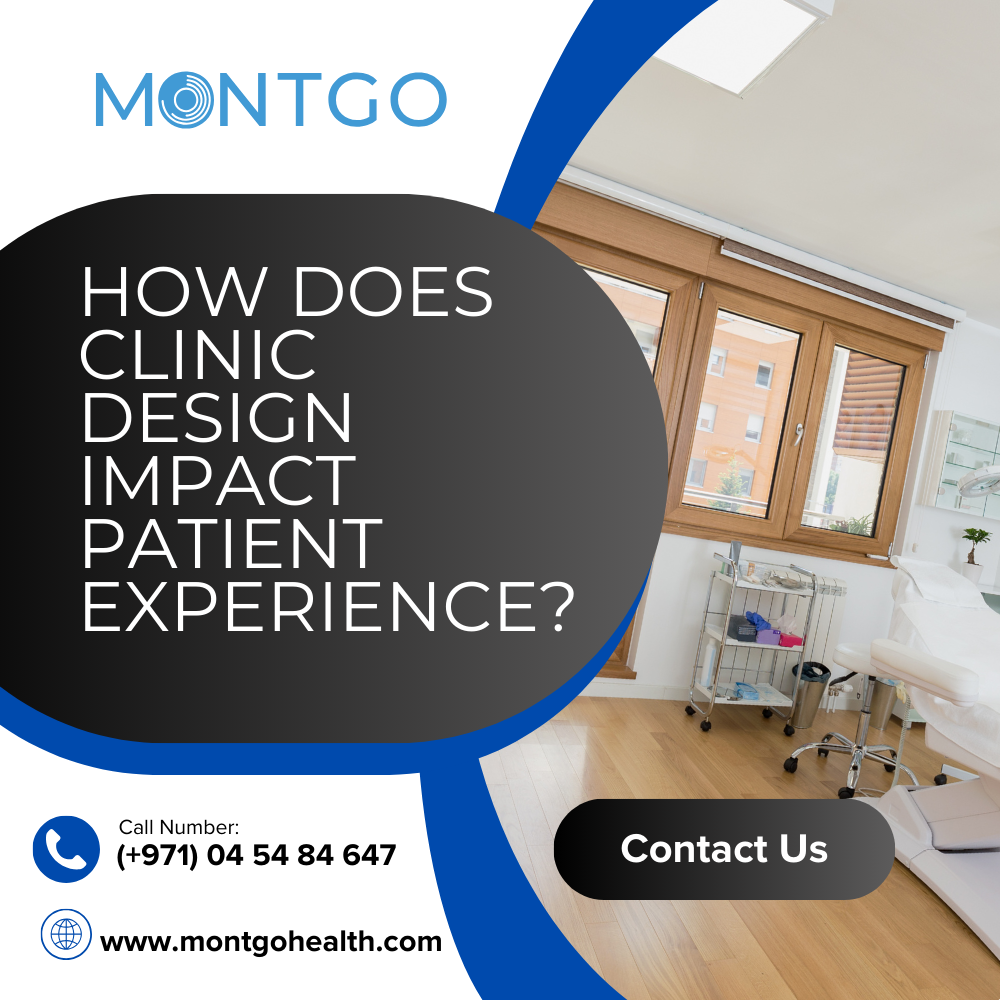
  • How Does Clinic Design Impact Patient Experience?

    How Does Clinic Design Impact Patient Experience?

    When we think of a clinic, the first things that often come to mind are doctors, nurses, and medical equipment. However, one crucial element that is often overlooked is the design of the clinic itself. Surprisingly, clinic design plays a significant role in shaping patient experience, influencing everything from first impressions to emotional comfort and overall satisfaction. Blogs

    First Impressions Matter

    The patient journey begins the moment they step into the clinic. The waiting area, lighting, furniture, colors, and even the smell of the space create an immediate impression. A well-designed clinic with a welcoming reception, comfortable seating, and calming colors can help reduce anxiety and stress. On the other hand, dark, cluttered, or outdated spaces may make patients feel uneasy or even question the quality of care they will receive.

    Comfort and Functionality

    Comfort is key when it comes to healthcare settings. Clinics that focus on comfortable furniture, clear signage, and easy navigation help patients feel at ease and reduce confusion. Many patients already come with health concerns, and having to struggle with finding their way, standing for long periods, or sitting in uncomfortable chairs can worsen their anxiety. On the contrary, a thoughtfully designed space allows patients to feel cared for even before seeing the doctor.

    Privacy and Personal Space

    Privacy is another important aspect of patient experience. A poorly designed clinic may have open spaces where personal conversations can be overheard, making patients feel exposed or embarrassed. Modern clinics now incorporate private consultation rooms, soundproofing, and well-planned layouts to maintain patient confidentiality. Feeling safe and respected enhances trust in healthcare providers and the overall care experience.

    Impact on Staff Efficiency

    A well-designed clinic doesn’t just benefit patients — it also improves staff workflow. Smooth workflows reduce waiting times and prevent staff burnout, resulting in a better patient experience. For example, having examination rooms positioned near the waiting area, providing separate areas for staff-only tasks, and ensuring sufficient storage for medical supplies all contribute to efficient operations. When staff are less stressed and more organized, patients feel the difference through more attentive and timely care.

    Promoting Healing Through Design

    Research shows that the environment plays a role in healing. Natural light, indoor plants, soft color palettes, and calming artwork can help reduce blood pressure, stress, and anxiety. Many modern clinics now adopt biophilic designs — incorporating elements of nature — to promote a healing environment. These thoughtful design choices have been linked to faster recovery, better mental well-being, and increased patient satisfaction.

    The Future of Clinic Design

    Healthcare design is evolving to become more patient-centered. Clinics are now integrating technology, such as self-check-in kiosks and digital information boards, to improve efficiency and reduce unnecessary face-to-face stress points. Others are creating spaces specifically designed for children, elderly patients, or people with disabilities to ensure that every patient feels considered.

    Conclusion

    The design of a clinic is more than just aesthetics — it is a powerful tool that influences how patients feel, how staff work, and how care is delivered. A patient-friendly, well-organized, and aesthetically pleasing clinic not only enhances the experience but can also positively impact patient outcomes.


    Frequently Ask Questions

    Q. What is the cost of opening a clinic in Dubai?
    A. The cost of opening a clinic in Dubai can range from AED 150,000 to AED 500,000+, depending on factors like location, size, type of clinic, and services offered. This includes licensing, rent, equipment, staff salaries, and operational expenses.

    Q. How can I open a clinic in Dubai?
    A. To open a clinic in Dubai, you need to:

    • Choose the clinic type (e.g., medical, dental, aesthetic)

    • Obtain a professional license from the Dubai Health Authority (DHA)

    • Secure a suitable location that complies with DHA guidelines

    • Hire licensed medical staff

    • Complete the necessary paperwork and pay the required fees

    Q. What steps are involved in opening a clinic in the UAE?
    A. To open a clinic in the UAE:

    • Choose your clinic’s location (Dubai, Abu Dhabi, etc.)

    • Obtain a license from the relevant health authority (DHA, MOHAP, or DOH)

    • Ensure compliance with safety, hygiene, and health regulations

    • Hire qualified staff and secure the necessary permits

    • Register your business and submit required documentation

    Q. How do I open an aesthetic clinic in Dubai?
    A. Opening an aesthetic clinic in Dubai involves:

    • Obtaining a professional license for aesthetic treatments from the DHA

    • Ensuring your premises meet DHA guidelines

    • Hiring licensed specialists (e.g., dermatologists, plastic surgeons)

    • Investing in approved equipment for treatments like Botox, laser, and facials

    • Following DHA’s health and safety standards

    Q. What is involved in clinic setup?
    A. Clinic setup involves:

    • Designing a functional and compliant space for patients

    • Choosing medical equipment based on the clinic’s specialty

    • Hiring qualified medical and administrative staff

    • Ensuring compliance with local health regulations (DHA or MOHAP)

    • Setting up IT systems for patient management and billing

    Q. How can I buy a clinic in Dubai?
    A. To buy a clinic in Dubai:

    • Research available clinics for sale through online platforms or brokers

    • Evaluate the clinic’s financial health, patient base, and lease terms

    • Ensure the clinic has up-to-date licenses and permits

    • Check the condition of equipment and facilities

    • Consult with legal and business professionals to finalize the purchase