Montgo Health Systems

Author: Montgo Health Systems

  • What Are the Key Steps to Set Up a Medical Facility?

    What Are the Key Steps to Set Up a Medical Facility?

    Establishing a medical facility is a rewarding yet complex process that requires careful planning, adherence to regulations, and a commitment to providing quality healthcare services. Whether you’re opening a small clinic or a full-scale hospital, here are the key steps to successfully set up a medical facility.  Blogs

    1. Define Your Vision and Goals

    Before you start, clearly define your mission, vision, and objectives. Identify the type of healthcare services you want to offer, such as general practice, specialized care, or emergency services. Understanding your target patients and their needs will help shape your business plan and operational strategies.

    2. Conduct Market Research

    Analyze the demand for medical services in your chosen location. Research the existing competition, demographics, and local healthcare trends. This information will help determine the viability of your facility and guide your business strategy to meet the specific needs of the community.

    3. Develop a Comprehensive Business Plan

    Securing money and directing your activities require a well-structured business strategy. It should include:

    • Executive summary – A brief overview of your medical facility
    • Market analysis – Data on potential patients and competitors
    • Operational plan – Location, staffing, and service offerings
    • Financial plan – Budget, revenue projections, and funding sources
    • Marketing strategy – Plans for drawing in and keeping patients are part of the marketing plan.

    4. Secure Funding and Investment

    Starting a medical facility requires significant financial investment. Explore different funding options such as bank loans, government grants, private investors, or partnerships. Ensure you have enough capital to cover startup costs, equipment, staffing, and operational expenses for at least the first few months.

    5. Obtain Necessary Licenses and Permits

    Compliance with healthcare regulations is crucial. Obtain the required licenses, permits, and accreditations from relevant local and national health authorities. This may include:

    • Business registration and tax compliance
    • Medical licenses for practitioners
    • Health and safety permits
    • Insurance for liability and malpractice coverage

    6. Choose a Suitable Location

    The location of your medical facility should be easily accessible to patients and compliant with zoning laws. Consider factors such as proximity to transportation, parking availability, and the overall safety of the area.

    7. Invest in Medical Equipment and Technology

    Procure high-quality medical equipment, software, and technology to ensure efficient operations. This includes diagnostic tools, patient management systems, and telemedicine capabilities. Verify that every piece of equipment satisfies legal and industry standards.

    8. Hire Qualified Medical and Administrative Staff

    A well-trained team is the backbone of your facility. Hire experienced doctors, nurses, technicians, and administrative staff. Conduct thorough background checks and provide continuous training to maintain high service standards.

    9. Implement Efficient Operational Processes

    Develop standard operating procedures (SOPs) for patient care, emergency protocols, and administrative tasks. Establish a secure electronic health records (EHR) system for efficient patient management.

    10. Market Your Medical Facility

    Create awareness about your facility through digital marketing, social media, and local advertising. Build partnerships with other healthcare providers and offer community outreach programs to attract patients.

    Conclusion

    Setting up a medical facility requires a combination of strategic planning, financial investment, regulatory compliance, and a commitment to quality healthcare. By following these key steps, you can establish a successful and sustainable medical practice that benefits the community and ensures long-term growth. 


    Frequently Ask Questions

    Q. Is medical facility free in the UAE?

    A. Public hospitals offer free or low-cost healthcare to UAE citizens, while expats need insurance for private or government medical services.

    Q. How many healthcare facilities are there in UAE?

    A. The UAE has over 4,000 healthcare facilities, including hospitals, clinics, and medical centers, ensuring high-quality medical care nationwide.

    Q. How is the medical system in UAE?

    A. The UAE has a world-class healthcare system, with public and private hospitals, advanced treatments, and mandatory health insurance for residents.

    Q. What are the healthcare licensing services in UAE?

    A. Healthcare professionals need a license from DHA (Dubai), HAAD/DOH (Abu Dhabi), or MOH (northern emirates) to practice legally in the UAE.

    Q. What is the medical process in UAE?

    A. Patients visit a clinic or hospital, undergo checkups, and receive treatment; insurance covers costs, and referrals may be needed for specialists.

    Q. What is medical insurance in UAE?

    A. Health insurance is mandatory for all residents, covering medical expenses in public and private hospitals, provided by employers or purchased individually.
  • What Are the Key Steps for a New Clinic Setup in UAE?

    What Are the Key Steps for a New Clinic Setup in UAE?

    Setting up a new clinic in the UAE is an exciting and rewarding venture, given the country’s rapidly growing healthcare sector and increasing demand for medical services. However, establishing a medical facility requires thorough planning, compliance with regulations, and strategic execution. If you are planning a new clinic setup in the UAE, here are the key steps to follow: Blogs

    1. Understand the Legal and Regulatory Requirements

    Before initiating the setup, it is crucial to familiarize yourself with the healthcare regulations set by the UAE Ministry of Health and Prevention (MOHAP) or the respective health authorities in Dubai (DHA), Abu Dhabi (DOH), or Sharjah (SHDA). Each emirate has specific guidelines and licensing procedures that must be adhered to.

    2. Select the Right Business Structure

    Choose the appropriate legal structure for your clinic. You can either set up a Limited Liability Company (LLC), a professional license (sole proprietorship), or a branch of an existing healthcare facility. If you wish to operate in a free zone, such as the Dubai Healthcare City (DHCC), you will need to comply with the specific rules and benefits associated with the free zone setup.

    3. Secure Initial Approvals

    To begin the licensing process, you must obtain initial approvals from the respective health authorities. This includes:

    • Trade name registration with the Department of Economic Development (DED) or the Free Zone Authority.
    • Approval of the clinic’s location and layout.
    • Preliminary approval from MOHAP, DHA, or DOH.

    4. Find a Suitable Location

    Choosing the right location is key to the success of your clinic. It should be accessible, comply with health authority regulations, and cater to your target patient demographic. Consider locations within hospitals, medical hubs, or residential areas with high demand for healthcare services.

    5. Obtain a Professional License and Commercial License

    Once your initial approvals are secured, apply for a professional medical license for doctors, nurses, and other healthcare staff. Additionally, a commercial license is required to operate as a business entity. These licenses are issued by DHA, DOH, or MOHAP, depending on your location.

    6. Hire Qualified Medical Staff

    Recruitment is a critical step in setting up your clinic. All healthcare professionals must have valid qualifications and experience, and they must be licensed by the relevant health authority. Ensure your team meets the UAE’s medical standards and ethics regulations.

    7. Set Up the Clinic Infrastructure

    Your clinic must meet health authority guidelines in terms of space, hygiene, and medical equipment. Invest in high-quality medical devices, IT systems, and patient management software to enhance operational efficiency.

    8. Conduct Final Inspections and Obtain Permits

    Health authorities will conduct a final inspection of your clinic to ensure it meets all safety, hygiene, and operational standards. Once approved, you will receive the final operating license and permits to officially start providing medical services.

    9. Market Your Clinic and Launch Operations

    Develop a strong marketing strategy to attract patients to your clinic. Utilize digital marketing, partnerships with insurance companies, and community outreach programs to build a solid patient base. A well-planned launch event can also create awareness and credibility for your clinic.

    Conclusion

    Setting up a new clinic in the UAE requires careful planning, regulatory compliance, and strategic execution. By following these essential steps, you can successfully establish a healthcare facility that provides quality medical services while ensuring compliance with UAE laws. With the right approach, your clinic can thrive in the UAE’s dynamic healthcare industry.


    Frequently Ask Questions

    Q. How to start a clinic in the UAE?

    A. Choose a legal structure, secure DHA/DOH/MOH approval, lease a licensed facility, and complete business registration and licensing steps.

    Q. Can I open my own clinic in Dubai?

    A. Yes, licensed medical professionals and investors can open a clinic in Dubai after meeting DHA regulations and obtaining all necessary permits.

    Q. How much does it cost to get a medical license in the UAE?

    A. The cost typically ranges from AED 3,000 to AED 7,000, covering exams, dataflow verification, registration, and application processing.

    Q. How can I run a clinic?

    A. Running a clinic involves managing patient care, hiring staff, ensuring regulatory compliance, maintaining equipment, and overseeing daily operations.

    Q. How to plan a clinic?

    A. Start with a clear business model, choose the right location, budget for setup costs, define services offered, and follow health authority guidelines.A

    Q. What tasks unlock private clinic?

    A. Key tasks include obtaining medical and trade licenses, passing facility inspections, hiring qualified staff, and registering with health authorities.

  • How to Apply for a Registered Nurse License Successfully

    How to Apply for a Registered Nurse License Successfully

    Becoming a registered nurse (RN) is a fulfilling career choice that requires dedication and proper certification. The licensing process may seem overwhelming, but with the right steps, you can successfully obtain your Registered Nurse license. This guide will walk you through the essential requirements and tips to ensure a smooth application process.

    1. Understand the Requirements

    Each country and state has specific licensing requirements for registered nurses. Before starting your application, research the eligibility criteria in your region. Generally, the basic requirements include:

    • Completing an accredited nursing program (Associate’s or Bachelor’s degree in Nursing)
    • Passing the Registered Nurse National Council Licensure Examination (NCLEX-RN)
    • Meeting background check and fingerprinting requirements
    • Submitting an application with the nursing regulatory board

    2. Graduate from an Accredited Nursing Program

    Your nursing education plays a critical role in obtaining your license. Make sure you complete your studies at a recognized institution that meets the accreditation standards set by the nursing board. During your training, focus on developing essential clinical and theoretical skills that will prepare you for the licensing exam.

    3. Apply for Authorization to Test (ATT)

    After graduating, you must apply for Authorization to Test (ATT) through your state’s nursing board or regulatory agency. This authorization allows you to schedule your NCLEX-RN exam. Ensure that all the required documents, including transcripts and identification, are submitted correctly to avoid delays.

    4. Prepare for the NCLEX-RN Exam

    The NCLEX-RN is a crucial step in becoming a registered nurse. To pass the exam successfully:

    • Enroll in an NCLEX prep course or use study guides
    • Practice with sample questions and mock exams
    • Develop test-taking strategies, such as time management and prioritization
    • Stay updated on exam content and guidelines

    5. Register and Take the NCLEX-RN

    Once your ATT is approved, you can schedule your NCLEX-RN exam through Pearson VUE. Choose a test date that allows you sufficient preparation time. On exam day, remain calm, read the questions carefully, and apply critical thinking skills to select the best answers.

    6. Complete Background Checks and Fingerprinting

    Most nursing boards require background checks and fingerprinting to ensure the integrity of healthcare professionals. Schedule your fingerprinting appointment early and follow the guidelines provided by your state board to prevent processing delays.

    7. Submit Your RN License Application

    After passing the NCLEX-RN, complete and submit your RN license application. This typically includes:

    • Personal details and proof of education
    • NCLEX-RN passing confirmation
    • Application fee payment
    • Any additional state-specific requirements

    8. Wait for License Approval

    Once your application is processed and approved, you will receive your RN license, allowing you to practice legally. The processing time varies, so be patient and check your application status regularly.

    Conclusion

    Successfully obtaining an RN license requires proper planning, diligent preparation, and adherence to regulatory requirements. By following these steps, you can streamline the process and achieve your goal of becoming a registered nurse. Best of luck on your journey to a rewarding nursing career!


    Frequently Ask Question

    Q. Who is eligible for a DHA license in Dubai?

    A. To be eligible for a DHA license in Dubai, you must have a recognized nursing degree, relevant work experience, and pass the DHA licensing exam or dataflow verification.

    Q. How much is a registered nurse paid in Dubai?

    A. A registered nurse in Dubai earns between AED 8,000 to AED 15,000 per month, depending on experience, specialization, and the employer.

    Q. How to get MOH license in UAE?

    A. To get an MOH license, you must pass the Ministry of Health’s licensing exam, submit required documents such as your nursing degree and clinical experience, and pay the applicable fees.

    Q. How long does it take to become a registered nurse in Dubai?

    A. Becoming a registered nurse in Dubai typically takes around 2-4 years, depending on your nursing program, followed by passing the DHA licensing exam.

    Q. How to get a UAE nursing license?

    A. To get a UAE nursing license, apply with the relevant health authority (DHA, MOH, DOH), pass the required exam, and provide necessary documents such as your nursing degree and experience.

    Q. What is the fastest way to become a registered nurse?

    A. The fastest way to become a registered nurse is by enrolling in an accelerated nursing program that meets accreditation standards and completing the required licensing exams.

  • Nursing Documentation: Legal Aspects and Compliance Tips

    Nursing Documentation: Legal Aspects and Compliance Tips

    Nursing documentation plays a critical role in patient care, communication, and legal protection. Proper documentation ensures continuity of care, enhances patient safety, and provides legal evidence in case of disputes. As healthcare professionals, nurses must adhere to legal standards and best practices to ensure accurate and compliant record-keeping. In this blog post, we will explore the legal aspects of nursing documentation and provide essential compliance tips to help nurses maintain professional and ethical standards. 

    Legal Aspects of Nursing Documentation

    1. Legal Protection and Accountability: Nursing documentation serves as a legal record of the care provided to a patient. In case of malpractice claims, accurate and timely records can serve as evidence in court. Poor documentation can lead to liability issues and jeopardize a nurse’s career.
    2. Regulatory Compliance: Various regulatory bodies, such as the Joint Commission and state nursing boards, set guidelines for proper documentation. Failure to comply with these standards can result in disciplinary actions, fines, or even license suspension.
    3. Confidentiality and HIPAA Compliance: Nurses must ensure that patient records remain confidential and comply with the Health Insurance Portability and Accountability Act (HIPAA). Unauthorized access or sharing of patient information can lead to legal consequences and breaches of patient trust.
    4. Informed Consent and Patient Rights: Documentation should reflect the patient’s informed consent for procedures and treatments. This protects both the patient and the nurse by proving that the patient was aware of the risks and benefits of medical interventions.
    5. Electronic Health Records (EHRs) and Legal Considerations: Many healthcare facilities have transitioned to electronic health records, which come with legal implications. Nurses should be cautious about electronic charting errors, unauthorized alterations, and secure login practices to maintain data integrity.

    Compliance Tips for Accurate Nursing Documentation

    1. Be Timely and Accurate: Documentation should be completed as soon as possible after providing care. Delayed entries can lead to errors and make it difficult to recall specific details.
    2. Use Objective and Clear Language: Avoid vague statements such as “patient feeling better.” Instead, use specific and measurable terms like “patient reports pain reduced from 7/10 to 3/10 after medication.”
    3. Follow Facility Policies and Standards: Every healthcare institution has policies regarding documentation. Adhering to these guidelines ensures consistency and compliance with legal and regulatory standards.
    4. Avoid Alterations and Errors: Never tamper with documentation. If an error occurs, follow the proper correction procedure—draw a single line through the mistake, initial it, and provide the correct information without erasing or using white-out.
    5. Ensure Patient Privacy: Keep patient records secure and only share information with authorized individuals. Use secure passwords and log out of electronic records when not in use.
    6. Document All Communications and Actions: If a physician provides verbal orders, document them accurately and confirm them as per hospital protocol. Additionally, note patient refusals, unusual observations, and responses to treatments.

    Conclusion

    Nursing documentation is more than just a routine task—it is a legal and ethical responsibility. Proper documentation not only safeguards patients but also protects nurses from legal repercussions. By understanding legal aspects and adhering to compliance tips, nurses can ensure accurate, timely, and legally sound documentation that enhances patient care and professional integrity. .


    Frequently Ask Questions

    Q. What is the proper documentation of a nurse?

    A. Proper documentation includes accurate, timely records of patient assessments, medications, interventions, and responses following legal and clinical standards.

    Q. What are the requirements to be a nurse in UAE?

    A. To work as a nurse in the UAE, you need a recognized nursing degree or diploma, a valid license from your home country, clinical experience, and to pass a licensing exam.

    Q. What is the exam for nurses to go to the UAE?

    A. Nurses must pass a licensing exam like DHA, HAAD, or MOH, which are computer-based tests assessing clinical knowledge and professional nursing competence.

    Q. How to get a nursing license in the UAE?

    A. Apply online to the relevant health authority, submit documents, pass the exam, and once you receive a job offer, you will be issued your nursing license.

    Q. What is the minimum salary of a nurse in UAE?

    A. The minimum salary for nurses in the UAE typically ranges from AED 3,000 to AED 5,000 monthly, depending on qualifications, experience, and the employer.

    Q. Can I work in Dubai without a DHA license?

    A. No, you cannot legally work as a nurse in Dubai without a DHA license, as it is required to ensure compliance with local health regulations and standards.

  • What Are Healthcare Facilities and Why Are They Important?

    What Are Healthcare Facilities and Why Are They Important?

    When we hear the term healthcare facilities, most of us think immediately of hospitals. While hospitals are the most recognized, healthcare facilities actually include a wide range of places dedicated to maintaining and improving health. These include clinics, nursing homes, rehabilitation centers, urgent care centers, diagnostic laboratories, mental health centers, and even pharmacies. All these facilities play a crucial role in delivering care to people at different stages of health — from preventive checkups to critical emergency interventions. Blogs

    The Meaning of Healthcare Facilities

    In simple terms, healthcare facilities are institutions that provide medical, surgical, or therapeutic services to individuals. These centers are equipped with medical professionals, specialized equipment, and necessary infrastructure to diagnose, treat, and manage various health conditions. Healthcare facilities can be public or private and vary in size and specialization. Some may focus on specific areas like maternity, mental health, rehabilitation, or elderly care, while others offer general services for a broad range of health needs.

    Why Are Healthcare Facilities So Important?

    1. Access to Medical Services

    The most direct reason for the importance of healthcare facilities is that they provide access to medical services. Without these facilities, people would struggle to receive treatment for illnesses, injuries, or chronic conditions. Healthcare facilities bridge the gap between patients and medical professionals who can diagnose, treat, and monitor their health.

    2. Disease Prevention and Early Detection

    Healthcare is not just about treating existing conditions; it’s also about preventing them. Facilities offer vaccinations, health screenings, and regular checkups that help detect problems early before they develop into serious or life-threatening diseases. The likelihood of a successful course of treatment is greatly increased by early identification.

    3. Emergency and Specialized Care

    Accidents and medical emergencies can happen anytime. Emergency departments and urgent care centers within healthcare facilities are crucial in providing immediate medical attention, sometimes making the difference between life and death. Additionally, specialized facilities like cardiac centers, cancer institutes, and orthopedic hospitals offer advanced treatments for specific health issues.

    4. Support for Chronic Conditions

    Chronic diseases like diabetes, hypertension, asthma, and arthritis require ongoing monitoring and management. Healthcare facilities provide patients with access to regular follow-ups, medication management, and lifestyle counseling, which helps them maintain a better quality of life.

    5. Mental Health Services

    Physical and mental well-being are equally vital. Facilities that focus on mental health provide counseling, therapy, and psychiatric care to help individuals manage mental health disorders, reduce stigma, and promote well-being.

    6. Economic Impact

    Healthcare facilities also contribute significantly to the economy. They create employment opportunities for doctors, nurses, technicians, administrative staff, and many others. Additionally, a healthy population leads to increased productivity and economic growth.

    Conclusion

    In today’s world, where health risks and diseases are ever-present, healthcare facilitie serve as the backbone of a functioning and healthy society. They are more than just buildings; they are lifelines. Without them, the management, prevention, and treatment of diseases would become nearly impossible. Ensuring that healthcare facilities are accessible, affordable, and well-equipped is not just important — it’s essential for the well-being of every community.


    Frequently Ask Questions

    Q. How many healthcare facilities are there in UAE?

    A. The UAE has over 4,000 healthcare facilities, including hospitals, clinics, and specialty centers across all Emirates.

    Q. Does the UAE have a good healthcare system?

    A. Yes, the UAE has a high-quality healthcare system with modern infrastructure, skilled professionals, and international standards.

    Q. Is medical facility free in the UAE?

    A. Medical care is free for UAE nationals in public hospitals, while expats require insurance or pay out of pocket.

    Q. Who is the largest healthcare in UAE?

    A. SEHA is the largest healthcare network in the UAE, managing public hospitals and clinics mainly in Abu Dhabi.

    Q. Who are the highly paid doctors in UAE?

    A. Neurosurgeons, cardiologists, and orthopedic surgeons are among the highest-paid doctors in the UAE.

    Q. Which Doctor has more demand in Dubai?

    A. Doctors in dermatology, general surgery, pediatrics, and family medicine are in high demand in Dubai.

  • How Marketing in Healthcare Drives Patient Engagement

    How Marketing in Healthcare Drives Patient Engagement

    In today’s digital age, healthcare is no longer limited to consultations, prescriptions, and procedures. It has become a highly competitive and patient-centered industry. Patients now have the power to choose where, when, and from whom they receive care. This shift makes marketing an essential tool in healthcare — not just for attracting new patients but for keeping them engaged and ensuring long-term growth.

    Why Healthcare Marketing Matters

    Healthcare marketing goes beyond traditional advertising. It focuses on building trust, creating awareness, and delivering value to patients even before they step into the clinic or hospital. With access to endless health information online, patients are becoming more proactive about their healthcare decisions. They research symptoms, read reviews, compare providers, and expect seamless, personalized experiences.

    This is where healthcare marketing comes in — helping organizations position themselves as trusted experts, educate patients, and meet their expectations. Whether it’s through websites, social media, content marketing, or patient portals, effective marketing bridges the gap between providers and patients.

    Driving Patient Engagement

    Engagement is more than getting patients to book an appointment. It’s about creating meaningful interactions before, during, and after treatment. Marketing helps achieve this in several ways:

    1. Educational Content: Blogs, videos, and infographics on health topics empower patients to make informed decisions. Educational content not only builds trust but also positions healthcare providers as thought leaders.

    2. Personalized Communication: Email newsletters, appointment reminders, and wellness tips tailored to patient needs help improve communication and maintain patient relationships.

    3. Social Media Presence: Platforms like Instagram, Facebook, and LinkedIn allow healthcare providers to engage with patients, answer queries, share health tips, and humanize their brand.

    4. Patient Reviews and Testimonials: Sharing real patient stories fosters credibility and motivates others to seek care confidently.

    Engaged patients are more likely to follow treatment plans, attend follow-ups, and recommend the facility to others, creating a cycle of patient satisfaction and loyalty.

    Fueling Growth

    Marketing doesn’t just engage; it directly contributes to business growth. Here’s how:

    • Attracting New Patients: Digital marketing techniques such as search engine optimization (SEO) and paid advertising help clinics and hospitals reach new audiences actively searching for healthcare services.

    • Brand Awareness: Consistent marketing boosts brand recognition, making the facility a top-of-mind choice when people need healthcare.

    • Improved Patient Retention: Loyal patients often become brand advocates. Satisfied patients share positive experiences, leading to word-of-mouth referrals — a powerful driver of growth.

    • Data-Driven Strategies: Modern marketing allows healthcare providers to track patient behavior, preferences, and feedback, helping them continuously improve services and marketing efforts.

    Conclusion

    In a rapidly evolving healthcare landscape, marketing is not just about promotion — it’s about creating valuable relationships. By educating, engaging, and understanding patients, healthcare providers can improve patient outcomes while fostering sustainable growth. The key is to prioritize patient needs at every touchpoint, from the first online search to post-treatment care. In doing so, marketing becomes a vital part of a healthier and more connected patient community. Contact Montgo Health


    Frequently Ask Questions

    Q. What is marketing in healthcare?

    A. Marketing in healthcare involves promoting medical services, improving patient engagement, and building brand awareness through various strategies.

    Q. Is marketing in demand in UAE?

    A. Yes, healthcare marketing is in high demand in the UAE as healthcare providers seek to attract patients and expand their services in a competitive market.

    Q. How is the healthcare system in the UAE?

    A. The UAE healthcare system is advanced, offering high-quality services through both public and private sectors, with modern facilities and skilled professionals.

    Q. What is the growth rate of the healthcare market in the UAE?

    A. The UAE healthcare market is growing rapidly, with an annual growth rate of around 7-8%, driven by increasing demand and medical tourism.

    Q. Who is the largest healthcare in UAE?

    A. SEHA (Abu Dhabi Health Services Company) is the largest healthcare provider in the UAE, managing numerous hospitals and clinics across the country.

    Q. What are the problems with healthcare in the UAE?

    A. Challenges in the UAE’s healthcare system include high costs for expatriates, a shortage of local healthcare professionals, and uneven distribution of healthcare facilities.

  • The Role of Medical Consultancy in Modern Healthcare

    The Role of Medical Consultancy in Modern Healthcare

    In today’s fast-evolving world of healthcare, the role of medical consultancy has become more vital than ever. As technology advances, diseases become more complex, and patient expectations rise, medical consultants act as the bridge between patients, healthcare providers, and innovative solutions. They play a significant role in enhancing the quality of healthcare delivery, improving patient outcomes, and optimizing the performance of healthcare institutions. Blog.

    What is Medical Consultancy?

    Medical consultancy, at its core, involves providing expert advice and guidance to healthcare organizations, professionals, and sometimes directly to patients. This advice can range from improving clinical practices and hospital management to developing healthcare strategies and implementing new technologies. Medical consultants are often highly experienced doctors, healthcare professionals, or specialists who have extensive knowledge of both the clinical and administrative sides of healthcare.

    Solving Challenges in Healthcare Institutions

    One of the main contributions of medical consultants is to help healthcare institutions navigate challenges effectively. Hospitals, clinics, and health centers often face issues such as rising operational costs, staff shortages, inefficient patient care systems, or outdated equipment. Medical consultants assess these challenges, analyze data, and provide evidence-based recommendations. Their objective viewpoint helps organizations make informed decisions, reduce unnecessary expenses, and boost efficiency without compromising the quality of care.

    Enhancing Patient Care

    Beyond hospital management, medical consultants also play a crucial role in patient care. With the rise of complex diseases like cancer, autoimmune disorders, and rare conditions, patients often seek second opinions or specialist advice. Medical consultants step in to evaluate diagnoses, treatment options, and management plans. Their expertise ensures that patients receive accurate diagnoses and the most suitable treatment, sometimes preventing unnecessary procedures or costly treatments.

    Shaping Healthcare Policies and Reforms

    Another important aspect of medical consultancy is its contribution to policy-making and healthcare system reforms. Governments and healthcare agencies often rely on consultants to shape policies that improve public health outcomes, control disease outbreaks, and manage healthcare budgets effectively. The COVID-19 pandemic, for example, highlighted how essential medical consultancy was in creating emergency response strategies, hospital protocols, and vaccination campaigns.

    Integrating Technology into Healthcare

    Medical consultants are also instrumental in integrating technology into healthcare. With the rise of telemedicine, AI-driven diagnostics, electronic health records (EHRs), and robotic surgeries, there is a growing need for expert guidance to ensure these technologies are implemented effectively and ethically. Consultants help healthcare providers select suitable technologies, train staff, and develop protocols that enhance patient safety and satisfaction.

    Conclusion

    Medical consultancy has become a cornerstone of modern healthcare. Its influence spans from direct patient care to shaping national healthcare policies. In a world where patients demand better care and healthcare providers are under constant pressure to improve, medical consultants offer valuable expertise to balance these demands. Their ability to innovate, strategize, and problem-solve ensures that healthcare systems not only survive but thrive in the face of modern challenges. As healthcare continues to evolve, the role of medical consultancy will undoubtedly become even more significant. Contact Montgo Health.


    Frequently Ask Questions

    Q. How can I get free medical treatment in the UAE?

    A. UAE nationals can get free treatment at government hospitals, while expats need insurance for coverage. In emergency cases, all individuals receive free treatment regardless of insurance status.

    Q. Which is the largest healthcare system in the UAE?

    A. SEHA is the largest healthcare system in the UAE, managing hospitals and clinics across Abu Dhabi. It serves millions of patients annually, offering a wide range of medical services.

    Q. How to become a consultant doctor in Dubai?

    A. To become a consultant in Dubai, you need a recognized degree, experience, and pass the DHA licensing exam. Consultants must also prove their expertise in a specific medical field through years of practice.

    Q. How is the medical system in the UAE?

    A. The UAE medical system is advanced, offering high-quality care in both public and private sectors. It integrates modern technology and attracts top medical professionals worldwide.

    Q. Who is responsible for medical insurance in UAE?

    A. Employers are responsible for providing health insurance for employees, while UAE nationals are covered by government insurance. Expats must obtain private health insurance, often arranged by employers.

    Q. What is the medical process in UAE?

    A. The medical process involves booking appointments, consulting doctors, and receiving treatment, with insurance for expats. Patients can access both public and private healthcare facilities for a range of services.

  • Medical Equipment Planners: Enhancing Healthcare Efficiency

    Medical Equipment Planners: Enhancing Healthcare Efficiency

    In today’s fast-evolving healthcare landscape, the role of Medical Equipment Planners (MEPs) has become more vital than ever. Behind every smooth-functioning hospital, clinic, or healthcare facility, there is a team of professionals who ensure that the right medical equipment is available, properly installed, and fully functional. These are the unsung heroes who work behind the scenes to enhance healthcare efficiency, improve patient outcomes, and reduce costs. Blogs

    Who are Medical Equipment Planners?

    Medical Equipment Planners are specialized professionals responsible for the selection, procurement, installation, and management of medical equipment in healthcare facilities. Their work begins at the earliest stages of a project, often collaborating with architects, engineers, hospital administrators, and clinical staff. Their goal is to ensure that every piece of equipment, from MRI machines to surgical tools, is planned, placed, and integrated in the most efficient and effective way.

    Why are Medical Equipment Planners Important?

    In a hospital or clinic, equipment is more than just tools—it’s the backbone of patient care. Poor planning can result in delays, financial losses, and even risks to patient safety. For instance, imagine building an operating room without considering the exact size and requirements of the surgical equipment. Fixing such mistakes later can be extremely costly and disruptive. This is where MEPs step in to prevent such issues by meticulously planning every detail related to medical equipment.

    An effective Medical Equipment Planner ensures that:

    • The equipment fits the space perfectly.

    • The infrastructure (electricity, plumbing, ventilation) supports the equipment.

    • Equipment selections meet the clinical needs and budget constraints.

    • Future upgrades or expansions are considered.

    • Employees are instructed on how to operate the equipment correctly.

    How Do Medical Equipment Planners Enhance Healthcare Efficiency?

    One of the major benefits of involving MEPs is the optimization of workflows. Well-planned equipment layouts can significantly reduce the time it takes for healthcare providers to access and use tools, thereby improving patient care. Moreover, proper equipment management reduces equipment downtime, increases its lifespan, and lowers maintenance costs.

    Another advantage is cost control. Since MEPs are familiar with the latest technologies, market prices, and equipment standards, they help healthcare organizations make cost-effective decisions without compromising on quality. They also help in negotiating with suppliers, selecting reliable vendors, and avoiding unnecessary purchases.

    Additionally, MEPs play a crucial role in regulatory compliance and safety. Medical equipment must adhere to strict health and safety regulations, and failure to comply can result in legal consequences. MEPs ensure that all equipment meets the required standards and certifications.

    Conclusion

    Medical Equipment Planners may not always be visible to patients, but their work has a direct impact on the quality of healthcare services. By aligning equipment choices with clinical needs, budgets, and regulations, they create safer, more efficient, and future-ready healthcare environments.

    As technology continues to advance, the role of MEPs will only become more important in shaping the hospitals and clinics of tomorrow. Their contribution is a critical factor in delivering timely, safe, and effective care to patients around the world. Contact Montgo Health


    Frequently Ask Questions

    Q. How do you manage medical equipment?

    A. Medical equipment management involves routine maintenance, calibration, inspection, and ensuring that equipment complies with safety standards. Effective management also includes keeping accurate records, scheduling repairs, and ensuring equipment is properly sterilized, stored, and disposed of.

    Q. Which authority regulates medical equipment in Dubai?

    A. In Dubai, the Dubai Health Authority (DHA) regulates medical equipment. Additionally, the Ministry of Health and Prevention (MOHAP) oversees the registration and approval of medical devices and equipment to ensure they meet national and international safety standards.

    Q. What is the meaning of equipment planning?

    A. Equipment planning refers to the process of identifying, selecting, and organizing the necessary tools, machinery, and devices required for a specific project, facility, or healthcare setting. It involves budgeting, procuring, and ensuring that equipment is appropriate, functional, and meets safety standards.

    Q. What equipment is handled in a hospital?

    A. Hospitals manage a wide range of medical equipment, including:

    • Diagnostic tools (X-ray, MRI, CT scanners)

    • Patient monitoring equipment (ECG, pulse oximeters, blood pressure monitors)

    • Surgical instruments (scalpels, forceps, surgical robots)

    • Therapeutic equipment (ventilators, infusion pumps)

    • Laboratory equipment (microscopes, centrifuges)

    • Rehabilitation devices (wheelchairs, physiotherapy machines)

    Q. What is the equipment management process?

    A. The equipment management process includes:

    • Procurement: Identifying and purchasing the necessary equipment

    • Installation and Commissioning: Setting up and testing equipment

    • Maintenance and Calibration: Regular checks, repairs, and adjustments to ensure proper functioning

    • Safety Compliance: Ensuring equipment meets safety standards

    • Decommissioning: Removing outdated or non-functional equipment from service

    Q. What is an equipment plan?

    A. An equipment plan is a comprehensive document that outlines the acquisition, use, maintenance, and replacement of equipment. It ensures that all necessary tools and devices are available and functioning properly, outlines a schedule for maintenance, and prepares for future equipment needs or upgrades.

  • How Healthcare Planning Improves Patient Care and Facility?

    How Healthcare Planning Improves Patient Care and Facility?

    Healthcare is more than just treating patients; it’s about creating a system where every patient receives the right care, at the right time, in the right place. Behind the scenes, effective healthcare planning plays a crucial role in ensuring that hospitals and clinics run smoothly while delivering high-quality care. But what exactly is healthcare planning, and how does it impact both patient care and facility efficiency?

    What is Healthcare Planning?

    Healthcare planning is the process of designing, organizing, and managing healthcare services and facilities to meet the needs of patients and communities. It involves the strategic use of resources, including staff, equipment, and infrastructure, to improve service delivery and ensure patient satisfaction. Healthcare planning is not limited to building hospitals; it also includes space management, technology integration, staff allocation, budgeting, and workflow optimization.

    Better Patient Care Through Thoughtful Planning

    One of the most noticeable benefits of healthcare planning is the improvement in patient care. When healthcare facilities are well-planned, they are better equipped to provide fast, accurate, and personalized treatment. A well-designed facility layout can reduce patient wait times, improve navigation within the hospital, and enhance privacy and comfort. For example, planning patient flow from admission to discharge ensures that unnecessary steps are avoided, leading to a smoother and less stressful experience for patients.

    Moreover, healthcare planning considers future trends and challenges, such as population growth, emerging diseases, and technological advancements. This proactive approach helps facilities stay ready to handle patient demands without compromising on quality. The integration of electronic health records (EHR) and telehealth services, made possible by strategic planning, ensures that patients receive coordinated care, even remotely.

    Boosting Facility Efficiency

    Efficiency in healthcare is about doing more with less, without sacrificing the quality of care. A well-planned healthcare facility makes optimal use of its resources, reducing waste and cutting down on operational costs. For instance, proper scheduling of staff and operating rooms minimizes idle time and prevents overcrowding. Streamlining processes such as registration, diagnostics, and treatment reduces bottlenecks and maximizes the use of available space and equipment.

    Healthcare planning also addresses staffing needs by matching the right number of healthcare professionals with patient demand. Understaffing can lead to burnout and errors, while overstaffing may strain the budget. Balancing this is key to maintaining efficiency.

    The Link Between Patient Satisfaction and Efficiency

    It is important to note that patient care and facility efficiency are deeply interconnected. Efficient systems lead to quicker diagnoses, shorter hospital stays, and faster recovery, all of which directly enhance patient satisfaction. Satisfied patients are more likely to follow medical advice, attend follow-up appointments, and recommend the facility to others.

    Conclusion

    In today’s dynamic healthcare environment, planning is not optional — it is essential. Well-executed healthcare planning results in better patient outcomes, improved staff performance, and sustainable facility operations. By investing time and resources into strategic planning, healthcare providers can create environments where patients feel valued, staff are supported, and systems run like clockwork. Ultimately, healthcare planning bridges the gap between patient expectations and the facility’s ability to deliver exceptional care. Contact Montgo Health


    Frequently Ask Questions

    Q. What is the structure of the healthcare system in the UAE?

    A. The UAE’s healthcare system is a mix of public and private providers. Public healthcare is primarily managed by the Ministry of Health and Prevention (MOHAP) and Department of Health in Abu Dhabi, while Dubai’s health services are regulated by the Dubai Health Authority (DHA). The system ensures universal healthcare access, with private insurance covering a significant portion of services.

    Q. How does the healthcare system work in Dubai?

    A. Dubai’s healthcare system is regulated by the Dubai Health Authority (DHA), offering a combination of public and private healthcare. Mandatory health insurance covers all residents, ensuring access to a wide range of medical services, from general care to specialized treatments. The system is designed for quality and accessible care.

    Q. What is the healthcare infrastructure in the UAE?

    A. The UAE boasts a well-developed healthcare infrastructure, including modern hospitals, clinics, and specialized medical centers. Public healthcare facilities are equipped with advanced medical technology, and private providers offer high-quality services. The government continually invests in expanding and upgrading healthcare services across the country.

    Q. How much does healthcare cost in the UAE?

    A. Healthcare costs in the UAE can vary significantly depending on the type of treatment and provider. For example, a visit to a general practitioner can cost between AED 150 to AED 500, while specialized treatments may range from AED 500 to AED 2,000. Costs are generally higher in private healthcare settings compared to public services.

    Q. What are the top 3 most expensive healthcare costs?

    A. The top 3 most expensive healthcare costs in the UAE typically include:

    • Surgical procedures, especially complex ones like organ transplants.

    • Cancer treatment, including chemotherapy and radiation.

    • Emergency services, including intensive care unit (ICU) stays and emergency surgeries.

    Q. Which insurance is best for health in the UAE?

    A. The best health insurance in the UAE depends on the individual’s needs. Popular options include:

    • Daman and AXA for comprehensive coverage.

    • Oman Insurance and Metlife for family plans and specialized services.

    • Now Health for international coverage and wellness benefits.

  • How Does Clinic Design Impact Patient Experience?

    How Does Clinic Design Impact Patient Experience?

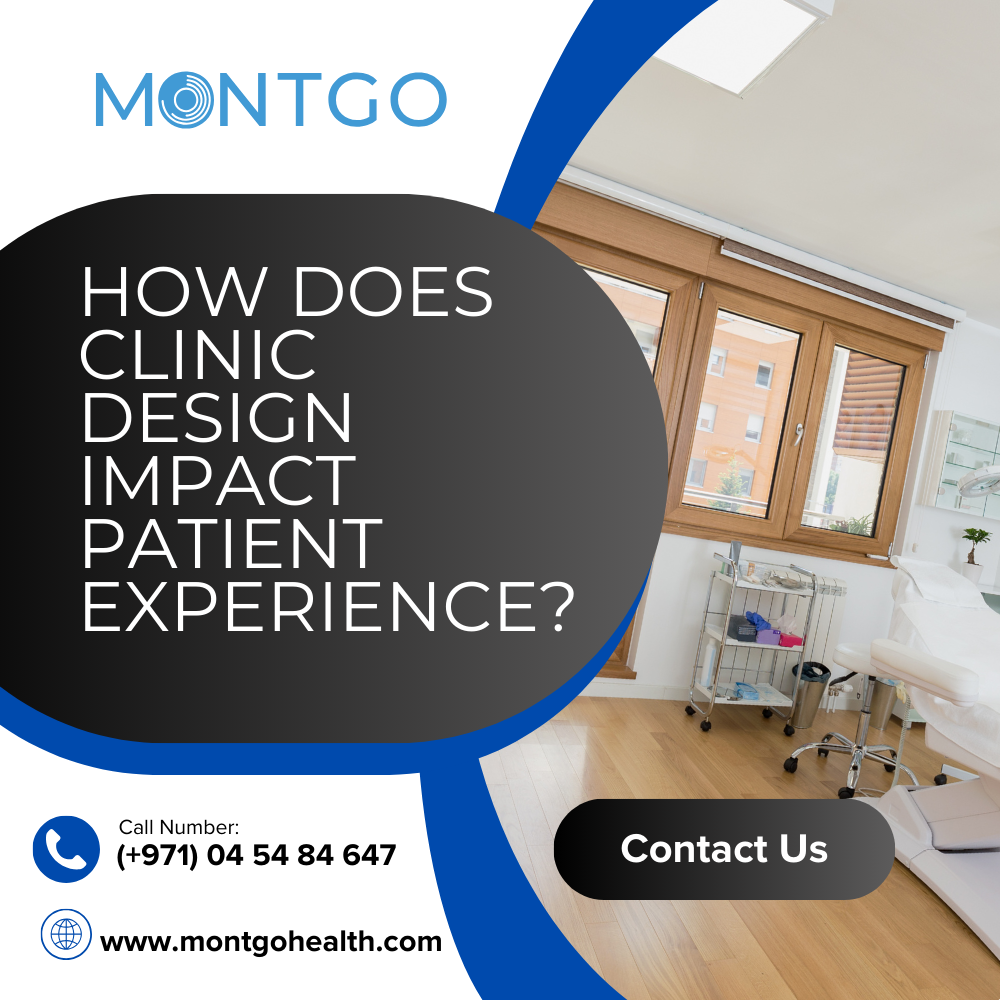
    When we think of a clinic, the first things that often come to mind are doctors, nurses, and medical equipment. However, one crucial element that is often overlooked is the design of the clinic itself. Surprisingly, clinic design plays a significant role in shaping patient experience, influencing everything from first impressions to emotional comfort and overall satisfaction. Blogs

    First Impressions Matter

    The patient journey begins the moment they step into the clinic. The waiting area, lighting, furniture, colors, and even the smell of the space create an immediate impression. A well-designed clinic with a welcoming reception, comfortable seating, and calming colors can help reduce anxiety and stress. On the other hand, dark, cluttered, or outdated spaces may make patients feel uneasy or even question the quality of care they will receive.

    Comfort and Functionality

    Comfort is key when it comes to healthcare settings. Clinics that focus on comfortable furniture, clear signage, and easy navigation help patients feel at ease and reduce confusion. Many patients already come with health concerns, and having to struggle with finding their way, standing for long periods, or sitting in uncomfortable chairs can worsen their anxiety. On the contrary, a thoughtfully designed space allows patients to feel cared for even before seeing the doctor.

    Privacy and Personal Space

    Privacy is another important aspect of patient experience. A poorly designed clinic may have open spaces where personal conversations can be overheard, making patients feel exposed or embarrassed. Modern clinics now incorporate private consultation rooms, soundproofing, and well-planned layouts to maintain patient confidentiality. Feeling safe and respected enhances trust in healthcare providers and the overall care experience.

    Impact on Staff Efficiency

    A well-designed clinic doesn’t just benefit patients — it also improves staff workflow. Smooth workflows reduce waiting times and prevent staff burnout, resulting in a better patient experience. For example, having examination rooms positioned near the waiting area, providing separate areas for staff-only tasks, and ensuring sufficient storage for medical supplies all contribute to efficient operations. When staff are less stressed and more organized, patients feel the difference through more attentive and timely care.

    Promoting Healing Through Design

    Research shows that the environment plays a role in healing. Natural light, indoor plants, soft color palettes, and calming artwork can help reduce blood pressure, stress, and anxiety. Many modern clinics now adopt biophilic designs — incorporating elements of nature — to promote a healing environment. These thoughtful design choices have been linked to faster recovery, better mental well-being, and increased patient satisfaction.

    The Future of Clinic Design

    Healthcare design is evolving to become more patient-centered. Clinics are now integrating technology, such as self-check-in kiosks and digital information boards, to improve efficiency and reduce unnecessary face-to-face stress points. Others are creating spaces specifically designed for children, elderly patients, or people with disabilities to ensure that every patient feels considered.

    Conclusion

    The design of a clinic is more than just aesthetics — it is a powerful tool that influences how patients feel, how staff work, and how care is delivered. A patient-friendly, well-organized, and aesthetically pleasing clinic not only enhances the experience but can also positively impact patient outcomes.


    Frequently Ask Questions

    Q. What is the cost of opening a clinic in Dubai?
    A. The cost of opening a clinic in Dubai can range from AED 150,000 to AED 500,000+, depending on factors like location, size, type of clinic, and services offered. This includes licensing, rent, equipment, staff salaries, and operational expenses.

    Q. How can I open a clinic in Dubai?
    A. To open a clinic in Dubai, you need to:

    • Choose the clinic type (e.g., medical, dental, aesthetic)

    • Obtain a professional license from the Dubai Health Authority (DHA)

    • Secure a suitable location that complies with DHA guidelines

    • Hire licensed medical staff

    • Complete the necessary paperwork and pay the required fees

    Q. What steps are involved in opening a clinic in the UAE?
    A. To open a clinic in the UAE:

    • Choose your clinic’s location (Dubai, Abu Dhabi, etc.)

    • Obtain a license from the relevant health authority (DHA, MOHAP, or DOH)

    • Ensure compliance with safety, hygiene, and health regulations

    • Hire qualified staff and secure the necessary permits

    • Register your business and submit required documentation

    Q. How do I open an aesthetic clinic in Dubai?
    A. Opening an aesthetic clinic in Dubai involves:

    • Obtaining a professional license for aesthetic treatments from the DHA

    • Ensuring your premises meet DHA guidelines

    • Hiring licensed specialists (e.g., dermatologists, plastic surgeons)

    • Investing in approved equipment for treatments like Botox, laser, and facials

    • Following DHA’s health and safety standards

    Q. What is involved in clinic setup?
    A. Clinic setup involves:

    • Designing a functional and compliant space for patients

    • Choosing medical equipment based on the clinic’s specialty

    • Hiring qualified medical and administrative staff

    • Ensuring compliance with local health regulations (DHA or MOHAP)

    • Setting up IT systems for patient management and billing

    Q. How can I buy a clinic in Dubai?
    A. To buy a clinic in Dubai:

    • Research available clinics for sale through online platforms or brokers

    • Evaluate the clinic’s financial health, patient base, and lease terms

    • Ensure the clinic has up-to-date licenses and permits

    • Check the condition of equipment and facilities

    • Consult with legal and business professionals to finalize the purchase