Montgo Health Systems

Author: Montgo Health Systems

  • How to Find the Best Recruiter for Medical Jobs?

    How to Find the Best Recruiter for Medical Jobs?

    The healthcare industry is one of the most demanding and competitive fields, making it essential to find the right job that aligns with your skills, experience, and career aspirations. A professional recruiter can simplify the job search process, connecting you with the best opportunities available. However, not all recruiters are the same, and choosing the right one can make a significant difference in your career. Here are some key steps to find the best recruiter for medical jobs.

    1. Understand Your Needs

    Before you start looking for a recruiter, take some time to assess your career goals. Are you seeking a permanent hospital position, a travel nursing job, or a locum tenens role? Understanding your needs will help you identify recruiters who specialize in your field and preferred job type.

    2. Look for Specialized Recruiters

    Medical recruitment is a niche field, and working with recruiters who specialize in healthcare jobs ensures that they understand industry requirements, licensing procedures, and workplace culture. Look for recruiters who focus on medical and healthcare positions rather than general staffing agencies.

    3. Check Their Reputation

    Research potential recruiters by reading online reviews, checking testimonials, and seeking recommendations from colleagues. Websites like Glassdoor, LinkedIn, and professional medical forums often have insights into recruiters’ reputations and reliability.

    4. Verify Their Industry Connections

    A great recruiter should have strong relationships with hospitals, clinics, and healthcare organizations. Ask about their connections and how frequently they place candidates in reputable institutions. A well-connected recruiter can give you access to exclusive job openings that may not be publicly advertised.

    5. Assess Their Communication and Transparency

    Effective communication is a crucial trait of a top-tier recruiter. They should be responsive, honest about job opportunities, and transparent regarding salary, benefits, and contract terms. If a recruiter is vague or avoids answering your questions directly, consider it a red flag.

    6. Evaluate Their Support and Guidance

    A good recruiter does more than just find job openings; they provide guidance on resume building, interview preparation, and contract negotiation. Choose a recruiter who offers comprehensive career support rather than simply forwarding job listings.

    7. Ask About Fees and Terms

    Reputable recruiters should not charge job seekers any fees. Employers typically pay for recruitment services, so be cautious if a recruiter asks for upfront payment. Always clarify any terms and conditions before signing agreements.

    8. Look for a Long-Term Partnership

    If you plan to explore multiple job opportunities throughout your career, building a strong relationship with a reliable recruiter can be beneficial. Choose someone who understands your evolving career goals and is willing to support you in the long run.

    Conclusion

    Finding the best recruiter for medical jobs requires research, patience, and due diligence. By selecting a specialized, well-connected, and transparent recruiter, you can enhance your job search experience and secure the right position that aligns with your career aspirations. Take the time to evaluate potential recruiters carefully, and you’ll be well on your way to a rewarding career in the healthcare industry. Contact Montgo Health.


    Frequently Ask Questions

    Q. How do recruitment agencies work in Dubai?

    A. Recruitment agencies in Dubai connect employers with job seekers, handling sourcing, screening, and placement. They specialize in various industries, including healthcare.

    Q. Which medical field is most in demand in Dubai?

    A. Specialties like general medicine, anesthesiology, dermatology, orthopedics, and emergency medicine are highly in demand due to the growing healthcare sector.

    Q. Do recruitment agencies charge candidates in UAE?

    A. No, legitimate recruitment agencies in the UAE cannot charge candidates for job placements; employers bear the recruitment costs as per UAE labor laws.

    Q. How can a foreign doctor work in the UAE?

    A. Foreign doctors must obtain a DHA, DOH, or MOHAP license, pass exams, and get their credentials verified through DataFlow before practicing in the UAE.

    Q. What are the benefits of working as a doctor in Dubai?

    A. Doctors in Dubai enjoy high salaries, tax-free income, modern healthcare facilities, career growth opportunities, and an excellent quality of life.

    Q. Do doctors pay tax in Dubai?

    A. No, Dubai has zero personal income tax, so doctors and other professionals keep 100% of their earnings, making it a financially attractive destination.

  • How Healthcare Consultants Can Improve Your Medical Practice

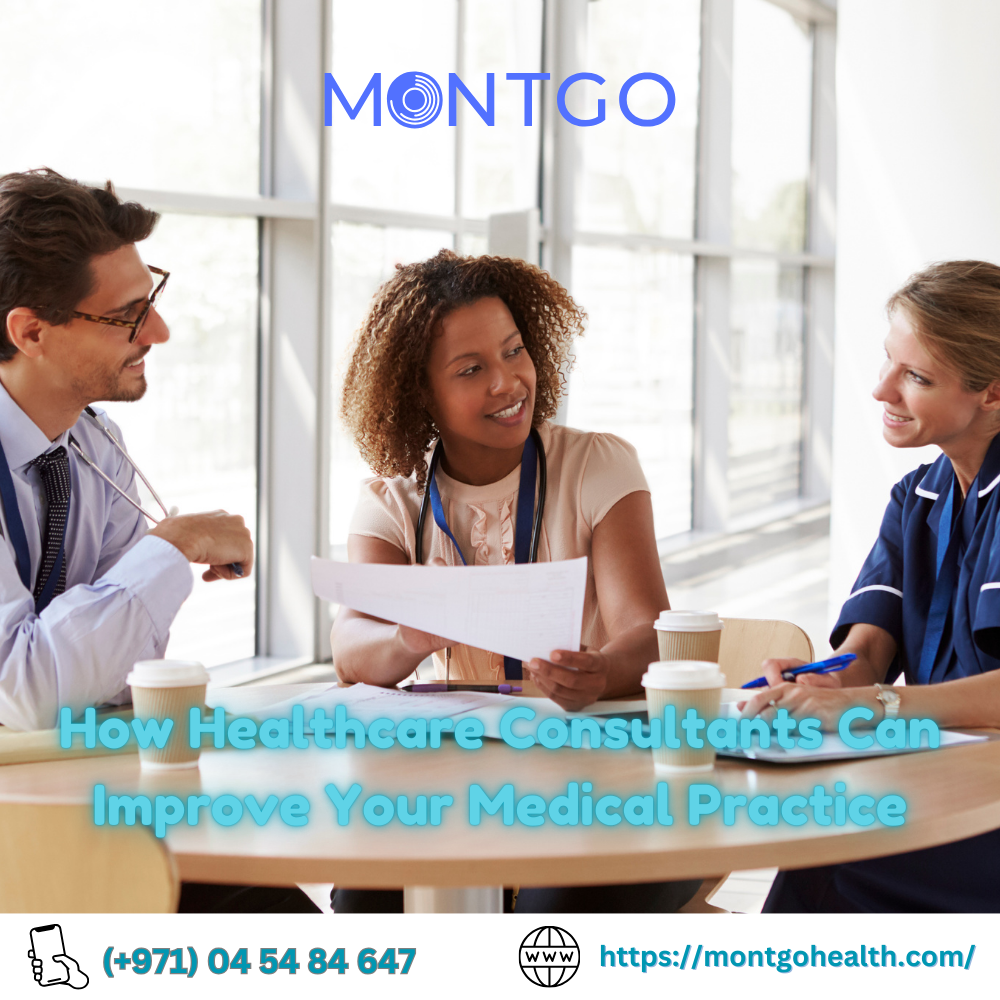
    How Healthcare Consultants Can Improve Your Medical Practice

    In today’s fast-evolving healthcare industry, medical practices face numerous challenges, from regulatory compliance and operational inefficiencies to financial management and patient satisfaction. Healthcare consultants play a crucial role in helping medical practitioners streamline their operations, improve patient care, and optimize financial performance. In this article, we explore the various ways healthcare consultants can enhance your medical practice.

    1. Enhancing Operational Efficiency

    Running a medical practice involves managing various aspects, including administrative tasks, appointment scheduling, patient records, and billing systems. Healthcare consultants analyze current workflows and identify inefficiencies that may hinder productivity. They introduce modern technologies such as electronic health records (EHR) and automated billing systems to reduce administrative burdens. By implementing these solutions, healthcare consultants help medical professionals focus more on patient care rather than paperwork. Additionally, they recommend process optimization strategies to minimize wait times and enhance service delivery. They also assist in integrating interoperable systems to improve data sharing across departments. This holistic approach leads to better resource allocation and improved patient satisfaction.

    2. Regulatory Compliance and Risk Management

    Healthcare regulations are constantly evolving, making it challenging for medical practitioners to keep up with legal requirements. Non-compliance can result in legal issues and financial penalties. Healthcare consultants provide expertise in understanding and adhering to regulatory standards such as HIPAA (Health Insurance Portability and Accountability Act) and other local laws. They conduct compliance audits, train staff on best practices, and implement risk management strategies to ensure the practice operates within legal parameters.

    3. Financial Management and Revenue Optimization

    A well-managed financial system is essential for the sustainability of any medical practice. Healthcare consultants assist in revenue cycle management by identifying inefficiencies in billing, coding errors, and claim denials. They introduce cost-saving strategies, negotiate better contracts with insurance providers, and implement financial forecasting tools. By improving financial management, healthcare consultants ensure that medical practices remain profitable and financially stable.

    4. Improving Patient Experience and Satisfaction

    Patient satisfaction is a key factor in the success of any medical practice. Long waiting times, poor communication, and inadequate follow-ups can negatively impact a patient’s experience. Healthcare consultants conduct patient satisfaction surveys, analyze feedback, and recommend strategies to enhance the overall patient journey. This includes optimizing appointment scheduling, streamlining communication, and implementing telehealth services to improve accessibility and convenience.

    5. Staff Training and Development

    The efficiency and professionalism of healthcare staff significantly impact the quality of care provided. Healthcare consultants offer staff training programs to enhance skills in patient communication, data management, and compliance adherence. They also develop leadership training programs to improve management efficiency. Investing in staff development leads to a more competent workforce, reducing errors and enhancing patient care quality.

    6. Technology Integration and Digital Transformation

    With advancements in medical technology, integrating the latest tools and systems is crucial for improving healthcare services. Healthcare consultants assist in selecting and implementing cutting-edge solutions such as telemedicine platforms, artificial intelligence-driven diagnostics, and data analytics tools. By leveraging technology, medical practices can offer more accurate diagnoses, enhance patient engagement, and improve overall operational efficiency.

    7. Strategic Planning and Growth

    A medical practice must have a clear vision and growth strategy to thrive in a competitive healthcare landscape. Healthcare consultants provide insights into market trends, competitive analysis, and expansion strategies. Whether it’s opening a new branch, introducing specialized services, or optimizing marketing efforts, consultants help medical practitioners develop a strategic plan for sustainable growth.

    8. Crisis Management and Contingency Planning

    Unforeseen crises such as pandemics, economic downturns, or cyber threats can disrupt medical practices. Healthcare consultants assist in developing contingency plans to ensure business continuity during emergencies. They implement robust cybersecurity measures, create emergency response plans, and develop telehealth capabilities to keep services running smoothly during disruptions.

    Conclusion

    Healthcare consultants play a vital role in optimizing medical practices by enhancing operational efficiency, ensuring compliance, improving financial management, and elevating patient care. Their expertise in technology integration, staff training, and strategic planning enables healthcare providers to focus on delivering quality medical services while ensuring sustainable growth. Investing in healthcare consultants is a proactive step towards building a successful and patient-centric medical practice. Contact Montgo Health For Details.


    Frequently Ask Questions

    Q: Which consultancy is best for healthcare?

    A: Several top-tier consultancies specialize in healthcare, including McKinsey & Company, Boston Consulting Group (BCG), and Deloitte. The best choice depends on your specific needs, such as strategy development, operational improvement, or technology integration.

    Q: Who is the largest healthcare provider in the UAE?

    A: NMC Health has been recognized as one of the largest private healthcare providers in the UAE, operating over 200 facilities in 19 countries.

    Q: Which is the best healthcare in the UAE?

    A: The UAE boasts several top-tier healthcare institutions, including Cleveland Clinic Abu Dhabi and Sheikh Khalifa Medical City, both renowned for their comprehensive medical services and patient care.

    Q: What is the happiest healthcare job?

    A: Job satisfaction in healthcare varies, but roles such as physical therapists and occupational therapists often report high levels of happiness due to the direct positive impact they have on patients’ lives and the typically lower stress levels compared to other medical professions.

    Q: What career will be in demand in 2025?

    A: By 2025, careers in healthcare technology, such as health informatics specialists, telemedicine practitioners, and genetic counselors, are expected to be in high demand due to advancements in medical technology and personalized medicine.

    Q: What is the easiest job in healthcare?

    A: The perceived ease of a healthcare job depends on individual skills and interests. Roles like medical transcriptionists or medical billers are often considered less physically demanding and have more predictable hours, but they still require specific training and attention to detail.

  • What to Expect from Home Care Services

    What to Expect from Home Care Services

    As the demand for personalized and comfortable healthcare continues to grow, home care services have emerged as a crucial solution for individuals who require medical assistance, personal care, or companionship within the comfort of their homes. Whether you are looking for care for an aging loved one, a person recovering from surgery, or someone with a chronic illness, home care services offer a flexible and effective alternative to hospital stays or assisted living facilities. This article will explore what you can expect from home care services, the types of care available, and how to choose the right provider.

    Understanding Home Care Services

    Home care services are professional healthcare and personal support services provided at home to individuals who need assistance with daily living activities, medical care, or rehabilitation. These services are designed to improve the quality of life, promote independence, and ensure comfort and safety for those in need.

    Types of Home Care Services

    Home care services are typically categorized into the following types:

    1. Personal Care and Assistance

    This type of care is designed for individuals who need help with daily living activities such as:

    • Bathing and grooming
    • Dressing
    • Toileting and incontinence care
    • Mobility assistance
    • Meal preparation and feeding

    Personal care aides or certified nursing assistants (CNAs) provide these services, ensuring that clients maintain their dignity and independence while receiving necessary support.

    2. Skilled Nursing Care

    For individuals with medical conditions that require professional attention, skilled nursing care is available. Services provided under this category include:

    • Wound care and dressing changes
    • Medication administration and management
    • Post-surgical care
    • Chronic disease management (e.g., diabetes, heart disease)
    • Monitoring vital signs

    Registered nurses (RNs) or licensed practical nurses (LPNs) typically provide these services under the supervision of a physician.

    3. Therapy Services

    Many individuals recovering from surgery, injuries, or strokes require therapy services, which can be provided at home, including:

    • Physical Therapy: Helps with mobility, balance, and strength improvement.
    • Occupational Therapy: Assists with regaining daily living skills such as dressing and eating.
    • Speech Therapy: Aids in communication and swallowing difficulties.

    4. Companionship and Emotional Support

    Home care is not just about physical well-being—it also includes emotional and social support. Companionship services include:

    • Conversation and social engagement
    • Recreational activities
    • Light housekeeping
    • Accompanying clients to appointments

    Companionship services are particularly beneficial for seniors who may experience loneliness and social isolation.

    5. Specialized Care for Chronic Conditions

    Some home care services cater specifically to individuals with chronic conditions such as:

    • Alzheimer’s and dementia care
    • Parkinson’s disease support
    • Palliative and hospice care

    These specialized services ensure that individuals receive tailored care to manage their symptoms and maintain the best possible quality of life.

    Benefits of Home Care Services

    There are several advantages to opting for home care services, including:

    • Comfort and Familiarity: Receiving care at home allows individuals to remain in a familiar environment, reducing stress and promoting well-being.
    • Personalized Care Plans: Home care is tailored to the specific needs of each individual, ensuring they receive the best possible support.
    • Increased Independence: Home care services help individuals maintain their independence while receiving necessary assistance.
    • Cost-Effectiveness: Compared to long-term hospitalization or nursing home stays, home care services are often more affordable.
    • Family Involvement: Loved ones can remain actively involved in the care process, providing emotional and moral support.

    How to Choose the Right Home Care Provider

    Selecting the right home care service provider is a crucial decision that requires careful consideration. Here are some steps to help you make an informed choice:

    1. Assess the Needs

    Determine the level of care required. Is personal assistance enough, or is skilled nursing necessary? Identifying the specific needs will help you choose the right type of service.

    2. Research Home Care Agencies

    Look for licensed and accredited home care providers with positive reviews and testimonials. Checking their credentials and asking for referrals can also help.

    3. Verify Staff Qualifications

    Ensure that caregivers are properly trained, certified, and experienced in handling specific medical conditions or personal care needs.

    4. Consider Cost and Insurance Coverage

    Check if the services are covered by insurance, Medicare, or Medicaid. Understanding the pricing structure and payment options is also essential.

    5. Schedule a Consultation

    Most home care agencies offer a consultation to discuss the client’s needs and create a personalized care plan. This is an opportunity to ask questions and assess the compatibility of the provider.

    Conclusion

    Home care services play a vital role in enhancing the quality of life for individuals in need of assistance while allowing them to stay in a comfortable and familiar environment. Whether it is personal care, skilled nursing, therapy, or companionship, home care provides tailored solutions that promote independence and well-being. Choosing the right home care provider involves understanding specific needs, researching reputable agencies, and ensuring proper qualifications. By making informed decisions, families can ensure their loved ones receive compassionate and professional care at home. Contact Montgo Health For Details


    Frequently Ask Questions

    Q. How do I find a nurse in Dubai?

    A. You can find a licensed nurse through home nursing services like ServiceMarket, which offers DHA-approved nurses starting from AED 149 per hour.

    Q. How much is a caregiver in Dubai?

    A. The cost of a caregiver varies based on services and duration, typically ranging from AED 100 to AED 300 per hour.

    Q. How to start a home care business in Dubai?

    A. You need to obtain a license from the Dubai Health Authority (DHA), comply with regulations, and develop a business plan based on market demand.

    Q. How does the UAE take care of elderly people?

    A. Elderly care is provided through home nursing services and family support, reflecting strong cultural values of caregiving.

    Q. How much is a home care salary in UAE?

    A. Home care nurses earn between AED 8,000 to AED 15,000 per month, depending on experience and qualifications.

    Q. How much does a home nurse cost in Dubai?

    A. The cost of a home nurse ranges from AED 150 to AED 250 per hour, depending on the level of care required.

  • What Are the Best Tools for Developing a Digital Marketing Strategy?

    What Are the Best Tools for Developing a Digital Marketing Strategy?

    In today’s digital era, businesses must leverage the right tools to create an effective developing a digital marketing strategy. Whether you’re a startup, a small business, or a large corporation, utilizing the right digital marketing tools can help you streamline operations, optimize campaigns, and boost ROI. This article explores some of the best tools available to develop and execute a successful digital marketing strategy.

    1. Search Engine Optimization (SEO) Tools

    SEO is crucial for improving website visibility and driving organic traffic. Here are some of the best tools for SEO:

    Google Search Console

    Google Search Console helps monitor website performance, fix indexing issues, and optimize pages for search visibility. It provides insights into how Google views your site.

    Ahrefs

    Ahrefs is a powerful SEO tool that helps with keyword research, backlink analysis, and competitor analysis. It’s widely used by marketers to improve search rankings.

    SEMrush

    SEMrush offers comprehensive SEO analytics, keyword tracking, and competitive research. It also provides PPC and content marketing insights, making it an all-in-one tool.

    2. Content Marketing Tools

    Creating and distributing high-quality content is essential for digital marketing success. Here are some tools that make content marketing easier:

    HubSpot

    HubSpot provides a content management system (CMS), marketing automation, and analytics. It’s great for managing content strategy and lead generation.

    Grammarly

    Grammarly helps improve content quality by checking for grammatical errors, readability, and tone. It ensures that your blog posts, emails, and social media updates are polished and professional.

    BuzzSumo

    BuzzSumo allows marketers to analyze trending content, track competitors, and discover the best-performing content topics. It’s useful for content ideation and strategy planning.

    3. Social Media Marketing Tools

    Social media platforms play a major role in digital marketing. The following tools help manage and optimize social media campaigns:

    Hootsuite

    Hootsuite enables businesses to schedule, monitor, and analyze social media posts across multiple platforms. It offers social listening features to track brand mentions and trends.

    Buffer

    Buffer is a user-friendly social media management tool that allows scheduling and analyzing posts. It’s ideal for small businesses and solo marketers.

    Sprout Social

    Sprout Social provides social media analytics, engagement tracking, and reporting. It’s widely used by brands to enhance their social media presence and customer engagement.

    4. Email Marketing Tools

    Email marketing remains one of the most effective digital marketing strategies. These tools can help automate and optimize email campaigns:

    Mailchimp

    Mailchimp offers email automation, audience segmentation, and analytics. It’s an excellent tool for creating and managing email marketing campaigns.

    ConvertKit

    ConvertKit is popular among bloggers and content creators. It provides advanced automation and subscriber tagging features to personalize email marketing efforts.

    Constant Contact

    Constant Contact is a great tool for small businesses, offering email templates, automation, and contact management features.

    5. Pay-Per-Click (PPC) Advertising Tools

    Paid advertising is an effective way to drive traffic and conversions. Here are some essential tools for managing PPC campaigns:

    Google Ads

    Google Ads helps businesses create and manage paid search campaigns. It offers keyword planning, bid management, and conversion tracking features.

    Facebook Ads Manager

    Facebook Ads Manager enables businesses to create targeted ad campaigns on Facebook and Instagram. It provides audience insights and ad performance analytics.

    AdEspresso

    AdEspresso simplifies the process of creating and managing Facebook, Instagram, and Google Ads campaigns. It’s particularly useful for A/B testing and performance tracking.

    6. Analytics and Reporting Tools

    Measuring and analyzing marketing performance is key to success. These tools help businesses track and optimize their digital marketing strategies:

    Google Analytics

    Google Analytics provides in-depth insights into website traffic, user behavior, and conversion rates. It’s essential for data-driven decision-making.

    Hotjar

    Hotjar helps businesses understand user behavior through heatmaps, session recordings, and surveys. It provides visual insights to improve website design and user experience.

    Tableau

    Tableau is a powerful data visualization tool that allows marketers to create interactive reports and dashboards. It’s ideal for tracking and analyzing marketing data.

    7. Marketing Automation Tools

    Automation helps streamline marketing processes, saving time and improving efficiency. Here are some of the best marketing automation tools:

    Marketo

    Marketo offers advanced automation, lead management, and analytics. It’s used by enterprises to nurture leads and optimize marketing campaigns.

    ActiveCampaign

    ActiveCampaign provides email automation, CRM integration, and audience segmentation. It’s a great tool for personalized marketing campaigns.

    Pardot

    Pardot, by Salesforce, is a B2B marketing automation tool that helps businesses with lead generation, email marketing, and ROI tracking.

    Conclusion

    Developing a successful digital marketing strategy requires the right set of tools. From SEO and content marketing to social media and analytics, these tools empower businesses to optimize their marketing efforts, engage with their audience, and drive better results. Choosing the right tools based on your business needs can make a significant difference in achieving marketing success. Contact Montgo Health.


    Frequently Ask Questions

    Q. How do you implement digital marketing strategies?

    A. Implementing digital marketing strategies involves setting clear goals, identifying the target audience, and using SEO, content marketing, social media, and paid ads to reach them. Regular performance analysis and optimization ensure effectiveness and continuous improvement.

    Q. What is the most effective method of digital marketing?

    A. The most effective method depends on the business and audience, but SEO, content marketing, and social media marketing are highly impactful. Paid advertising and email marketing also drive strong results when strategically executed.

    Q. What does a successful digital marketing strategy help build?

    A. A successful digital marketing strategy helps build brand awareness, customer engagement, and lead generation. It fosters trust, strengthens online presence, and drives business growth through targeted marketing efforts.

    Q. What are the different types of digital marketing strategies?

    A. Key digital marketing strategies include SEO, content marketing, social media marketing, email marketing, PPC advertising, influencer marketing, and affiliate marketing. Each strategy serves different business goals and customer engagement needs.

    Q. What is the primary purpose of content marketing in a digital marketing strategy?

    A. Content marketing aims to attract, engage, and retain customers by providing valuable and relevant content. It helps establish authority, improve SEO, and nurture leads for long-term business growth.

    Q. What is the most cost-effective digital marketing?

    A. SEO and content marketing are the most cost-effective digital marketing methods, as they generate long-term organic traffic with minimal ongoing costs. Social media marketing and email marketing also offer high ROI with lower budgets.

  • How to Develop an Effective Marketing Plan for Your Business?

    How to Develop an Effective Marketing Plan for Your Business?

    In today’s competitive business landscape, having a well-structured marketing plan is essential for success. A strong marketing plan helps businesses attract new customers, retain existing ones, and stand out from the competition. Developing a marketing plan requires careful planning, research, and strategic execution. This blog will guide you through the steps to create a marketing plan that drives growth and boosts your brand’s visibility.

    Understanding the Importance of a Marketing Plan

    A marketing plan acts as a roadmap for businesses to achieve their marketing objectives. It ensures that every marketing effort aligns with the company’s goals and targets the right audience. A well-developed plan allows businesses to allocate resources efficiently, measure performance, and adjust strategies as needed. Without a structured marketing plan, businesses risk wasting time and money on ineffective tactics.

    Steps to Develop an Effective Marketing Plan

    1. Define Your Business Goals and Objectives

    Before diving into marketing strategies, it’s crucial to set clear goals. Ask yourself:

    • What do you want to achieve through your marketing efforts?
    • Are you looking to increase brand awareness, generate leads, or boost sales?
    • How will you measure success?

    Setting SMART (Specific, Measurable, Achievable, Relevant, Time-bound) goals will help keep your marketing plan focused and results-driven.

    2. Conduct Market Research

    A successful marketing plan is built on thorough market research. This step helps you understand your target audience, competitors, and industry trends. Key components of market research include:

    • Identifying your ideal customer (age, location, preferences, behavior)
    • Analyzing competitors’ strengths and weaknesses
    • Understanding market trends and demand

    This research will provide valuable insights to tailor your marketing efforts effectively.

    3. Identify Your Target Audience

    Not every customer is the right fit for your business. Defining your target audience ensures that your marketing efforts reach the right people. To identify your ideal customers, consider:

    • Demographics (age, gender, income level, education)
    • Psychographics (values, interests, lifestyle)
    • Buying behavior and pain points

    Creating buyer personas can help visualize and understand your audience better, making it easier to tailor your messaging and promotions.

    4. Develop a Unique Value Proposition (UVP)

    Your unique value proposition sets you apart from competitors and defines why customers should choose your business. It should be clear, concise, and communicate the benefits of your products or services. Ask yourself:

    • What makes your business unique?
    • How do your products or services solve customer problems?
    • What key benefits do you offer that competitors don’t?

    A compelling UVP strengthens brand positioning and resonates with your audience.

    5. Choose the Right Marketing Channels

    Selecting the appropriate marketing channels ensures that your message reaches your target audience effectively. Popular marketing channels include:

    • Content Marketing: Blog posts, videos, infographics, eBooks
    • Social Media Marketing: Platforms like Facebook, Instagram, LinkedIn, Twitter
    • Email Marketing: Newsletters, promotions, personalized offers
    • SEO (Search Engine Optimization): Optimizing website content to rank higher in search engines
    • Paid Advertising: Google Ads, social media ads, influencer marketing

    Using a combination of these channels maximizes reach and engagement.

    6. Create a Content Strategy

    Content is a vital part of any marketing plan. A well-planned content strategy helps build trust, establish authority, and drive customer engagement. Key content developing a marketing plan include:

    • Blogging regularly on relevant industry topics
    • Producing high-quality videos and infographics
    • Writing informative and engaging social media posts
    • Offering free resources such as eBooks or webinars

    Content should align with your brand’s voice and address customer pain points effectively.

    7. Set a Budget

    A marketing plan must have a clear budget to ensure that resources are allocated effectively. Consider:

    • Advertising expenses (Google Ads, social media ads)
    • Content creation costs (blog writing, video production, graphic design)
    • Marketing tools and software (email marketing platforms, SEO tools)

    Setting a budget prevents overspending and allows for better financial planning.

    8. Establish Key Performance Indicators (KPIs)

    Tracking and measuring marketing performance is crucial for improvement. Key performance indicators (KPIs) help determine the effectiveness of marketing efforts. Common KPIs include:

    • Website traffic and conversion rates
    • Social media engagement and follower growth
    • Email open and click-through rates
    • Return on investment (ROI) for paid campaigns

    Regularly analyzing KPIs enables businesses to adjust strategies for better results.

    9. Implement and Monitor Your Plan

    Once your marketing plan is ready, it’s time to implement it. Execution requires coordination among team members and consistent monitoring. Keep track of:

    • Which strategies are working well
    • What areas need improvement
    • How customers are responding

    Using marketing analytics tools like Google Analytics and social media insights can help measure success and optimize campaigns accordingly.

    10. Review and Adjust Your Marketing Plan

    Marketing is an ongoing process. Regularly reviewing your marketing plan helps adapt to changing market conditions and customer preferences. Conduct quarterly or annual reviews to:

    • Assess performance against goals
    • Identify new opportunities and trends
    • Make necessary adjustments to improve effectiveness

    Flexibility is key to long-term marketing success.

    Conclusion

    Developing a marketing plan is essential for any business looking to thrive in a competitive market. By setting clear objectives, conducting research, choosing the right channels, and consistently monitoring performance, businesses can create an effective marketing strategy that drives growth. A well-executed marketing plan not only attracts and retains customers but also positions a brand for long-term success. Start developing your marketing plan today to take your business to new heights.


    Frequently Ask Questions

    Q. How should a marketing plan be developed?

    A. A marketing plan should be developed by defining goals, identifying the target audience, analyzing competitors, selecting strategies, and setting a budget. Regular evaluation and adjustments ensure effectiveness.

    Q. Which strategy is best for digital marketing?

    A. The best digital marketing strategy depends on the business, but SEO, content marketing, social media marketing, PPC, and email marketing are widely effective. A mix of these maximizes reach.

    Q. What are the four main marketing strategies?

    A. The four main marketing strategies are product, price, place, and promotion (4Ps). These help businesses create effective campaigns tailored to their target audience.

    Q. How much do marketing leads make in Dubai?

    A. Marketing leads in Dubai earn between AED 10,000–25,000 per month, depending on experience, industry, and company size. Senior roles can earn even more.

    Q. Which country pays best for marketing?

    A. The USA, Switzerland, and Australia offer some of the highest salaries for marketing professionals, with senior roles earning six-figure salaries annually.

    Q. Is marketing in demand in Dubai?

    A. Yes, marketing is in high demand in Dubai, especially in digital marketing, social media, and brand management, as businesses invest in online presence and growth.

  • Which Healthcare Consulting Companies Offer the Best Solutions?

    Which Healthcare Consulting Companies Offer the Best Solutions?

    The healthcare industry is rapidly evolving, requiring businesses to adapt to new challenges, regulations, and technological advancements. Healthcare consulting companies play a crucial role in helping organizations navigate these complexities, optimize operations, and enhance patient care. These firms provide strategic solutions tailored to the specific needs of hospitals, clinics, pharmaceutical companies, and healthcare startups. Blogs.

    The Role of Healthcare Consulting Companies

    Healthcare consulting companies offer expertise in various areas, including regulatory compliance, financial management, digital transformation, and operational efficiency. Their services help medical businesses improve decision-making, streamline workflows, and ensure compliance with industry standards. Some of the key areas where healthcare consulting firms provide value include:

    • Regulatory Compliance and Risk Management: Ensuring adherence to healthcare laws and regulations to avoid legal issues.
    • Digital Transformation and IT Solutions: Implementing AI, big data, and electronic health records for enhanced efficiency.
    • Financial and Revenue Cycle Management: Optimizing billing, insurance claims, and financial planning to maximize revenue.
    • Operational Efficiency and Workforce Management: Streamlining hospital workflows and improving patient care.
    • Market Expansion and Business Strategy: Assisting healthcare businesses in entering new markets and improving competitiveness.

    Key Areas of Expertise in Healthcare Consulting

    1. Regulatory Compliance and Risk Management

    Healthcare businesses must adhere to strict regulations to ensure patient safety and data security. Consulting companies help organizations stay compliant by providing:

    • Guidance on local and international healthcare laws.
    • Strategies to mitigate legal and financial risks.
    • Implementation of compliance frameworks and audits.

    2. Digital Transformation and IT Solutions

    The healthcare industry is increasingly relying on technology for better patient care and operational efficiency. Consultants assist in:

    • Implementing electronic health records (EHR) and telemedicine solutions.
    • Integrating AI and data analytics for improved diagnostics and decision-making.
    • Enhancing cybersecurity measures to protect sensitive patient data.

    3. Financial and Revenue Cycle Management

    Managing finances in the healthcare sector can be complex due to insurance policies, government regulations, and patient billing. Consulting firms help with:

    • Optimizing revenue cycle management to reduce claim denials.
    • Cost control and budgeting strategies for healthcare organizations.
    • Developing financial models to improve profitability.

    4. Operational Efficiency and Workforce Management

    Healthcare businesses need to maintain high levels of efficiency while ensuring top-quality patient care. Consultants provide solutions such as:

    • Improving hospital and clinic workflows for better patient experiences.
    • Enhancing staffing and workforce management for optimal resource utilization.
    • Reducing operational costs while maintaining high-quality services.

    5. Market Expansion and Business Strategy

    Expanding a healthcare business requires a strategic approach to enter new markets and attract patients. Consultants assist with:

    • Market research and competitive analysis.
    • Brand positioning and digital marketing strategies.
    • Partnerships and collaboration opportunities for growth.

    Choosing the Right Healthcare Consulting Company

    Selecting the best healthcare consulting companies depends on factors such as experience, industry expertise, and the ability to provide customized solutions. Here are some key considerations:

    • Industry Experience: Look for firms with a strong track record in healthcare consulting.
    • Customization: Choose a company that tailors its solutions to meet your specific needs.
    • Technology Integration: Ensure the firm has expertise in digital healthcare solutions and data analytics.
    • Client Testimonials and Case Studies: Research client feedback and case studies to assess success rates.

    Future Trends in Healthcare Consulting

    The healthcare industry continues to evolve, and consulting companies are adapting to new trends. Some emerging trends include:

    • AI and Machine Learning in Healthcare: Improved diagnostics and personalized treatment plans.
    • Telemedicine Growth: Expanding remote healthcare services to increase accessibility.
    • Value-Based Care Models: Transitioning from fee-for-service to patient-centered care.
    • Sustainability and Green Healthcare: Implementing eco-friendly practices in healthcare operations.

    Conclusion

    Montgo Health is one such consulting firm that excels in providing invaluable expertise to help medical organizations navigate regulatory complexities, optimize operations, and improve patient outcomes. By choosing the right consulting firm, such as Montgo Health, healthcare businesses can enhance efficiency, embrace digital transformation, and achieve long-term success. Investing in expert guidance ensures that healthcare providers remain competitive and deliver high-quality patient care in an ever-changing industry.


    Frequently Ask Questions

    Q. Which consultancy is best for healthcare?

    A. The best healthcare consultancy depends on your needs—whether it’s regulatory compliance, digital transformation, or financial management. Look for firms with proven expertise in your area.

    Q. What is the outlook for healthcare consulting?

    A. The healthcare consulting industry is growing due to increasing demand for digital solutions, regulatory compliance, and operational efficiency, making it a promising field.

    Q. Where do healthcare consultants make the most money?

    A. Healthcare consultants earn the highest salaries in countries with strong healthcare industries like the U.S., Switzerland, and the UAE, especially in large firms and specialized roles.

    Q. How do I choose a consultancy?

    A. Consider factors like industry experience, client reviews, customized solutions, and expertise in your specific healthcare needs before selecting a consultancy.

    Q. Which healthcare company pays the best?

    A. Large multinational healthcare firms and top consulting firms in the industry tend to offer the highest salaries, particularly in specialized roles like IT and financial consulting.

    Q. Which type of consulting pays the most?

    A. Strategy consulting, financial advisory, and healthcare IT consulting tend to be the highest-paying fields, especially in major global consulting firms.

  • What Are the Key Steps in Developing a Marketing Strategy?

    In today’s competitive business landscape, having a well-defined marketing strategy is essential for success. Whether you are a startup, a small business, or a large corporation, a strategic marketing plan helps in building brand awareness, attracting potential customers, and increasing revenue. Below are the key steps in developing an effective marketing strategy.

    1. Define Your Goals and Objectives

    The first step in crafting a marketing strategy is setting clear, measurable goals. These objectives should align with your overall business vision and be specific, attainable, relevant, and time-bound (SMART). Common marketing goals include:

    • Increasing brand awareness
    • Generating leads and conversions
    • Expanding market reach
    • Enhancing customer engagement
    • Improving sales and revenue

    2. Identify Your Target Audience

    Understanding your audience is crucial for creating effective marketing campaigns. Conduct market research to gather data about your ideal customers, including their demographics, preferences, buying behavior, and pain points. Tools like customer surveys, social media analytics, and competitor analysis can provide valuable insights.

    3. Conduct a Market and Competitor Analysis

    A competitive analysis helps you understand your market positioning and identify opportunities for growth. Analyze your competitors’ strengths and weaknesses, their marketing strategies, and customer feedback. This can help you differentiate your brand and offer unique value to your customers.

    4. Develop Your Unique Value Proposition (UVP)

    Your UVP is what sets your brand apart from competitors. It should clearly communicate the benefits of your products or services and why customers should choose you. A strong UVP highlights your company’s strengths and resonates with your target audience.

    5. Choose the Right Marketing Channels

    Selecting the right marketing channels ensures that your message reaches your audience effectively. Some popular marketing channels include:

    • Digital Marketing: SEO, PPC advertising, content marketing, and social media marketing.
    • Traditional Marketing: Print ads, TV commercials, direct mail, and networking events.
    • Email Marketing: Sending personalized email campaigns to nurture leads and retain customers.
    • Influencer Marketing: Partnering with influencers to expand your brand reach.
    • Public Relations (PR): Building brand credibility through media coverage and press releases.

    6. Create a Content Marketing Strategy

    Content is a powerful tool for attracting and engaging potential customers. Develop a content marketing plan that includes blog posts, social media content, videos, infographics, and case studies. Ensure that your content provides value, solves problems, and positions your brand as an industry authority.

    7. Set a Budget and Allocate Resources

    Your marketing budget determines how much you can invest in different strategies. Allocate funds based on priority channels and expected returns. Ensure that you have the right team, tools, and technology to execute your marketing plan efficiently.

    8. Implement and Monitor Your Strategy

    Once your strategy is in place, execute your marketing campaigns and track their performance. Use analytics tools to monitor key metrics such as website traffic, conversion rates, customer engagement, and return on investment (ROI). Regularly assess what’s working and make necessary adjustments.

    9. Optimize and Adapt

    Marketing is an ongoing process that requires continuous improvement. Stay updated with industry trends, customer preferences, and market changes. Optimize your campaigns by testing different approaches and adapting based on data-driven insights.

    Conclusion

    Developing a marketing strategy requires careful planning and execution. By setting clear goals, understanding your audience, leveraging the right channels, and continuously optimizing your efforts, you can create a successful marketing strategy that drives business growth. A well-executed strategy not only attracts customers but also builds long-term brand loyalty.


    Frequently Ask Questions


  • How Do Recruitment Agencies Assist in Medical Staff Hiring?

    How Do Recruitment Agencies Assist in Medical Staff Hiring?

    Recruitment agencies play a pivotal role in the medical sector by bridging the gap between healthcare facilities and qualified medical professionals. The demand for skilled medical staff is consistently high, and recruitment agencies offer specialized services to ensure that healthcare institutions find the right talent to provide quality patient care. Here’s how recruitment agencies assist in medical staff hiring.

    1. Access to a Wider Talent Pool

    One of the significant advantages of partnering with recruitment agencies is their extensive network of medical professionals. These agencies maintain a comprehensive database of qualified candidates, including doctors, nurses, technicians, and administrative staff. This broad reach allows them to connect healthcare institutions with a diverse range of talent, including those who may not be actively searching for jobs but are open to new opportunities.

    2. Expertise in Screening and Selection

    Medical recruitment agencies possess in-depth knowledge of the healthcare industry and its specific requirements. They meticulously screen candidates, verifying credentials, certifications, and work experience. This rigorous vetting process ensures that only highly qualified and competent individuals are recommended to employers, saving healthcare facilities valuable time and resources.

    3. Time and Cost Efficiency

    The hiring process can be time-consuming and costly, particularly in the medical sector where urgent staffing needs are common. Recruitment agencies streamline the entire hiring process, from advertising job vacancies to conducting interviews and background checks. By outsourcing these tasks, healthcare institutions can focus on delivering patient care while the agency handles the administrative burden.

    4. Temporary and Permanent Staffing Solutions

    Whether healthcare facilities require temporary staff to cover short-term absences or permanent employees to fill long-term positions, recruitment agencies offer flexible staffing solutions. This adaptability helps institutions maintain optimal staffing levels and ensures continuity of care without compromising on quality.

    5. Market Insights and Salary Negotiation

    Recruitment agencies provide valuable insights into market trends, including salary expectations and industry standards. They act as intermediaries in salary negotiations, helping both employers and candidates reach mutually beneficial agreements. This expertise ensures that healthcare facilities offer competitive packages to attract top talent while remaining within budget constraints.

    6. Compliance with Regulations

    The healthcare industry is highly regulated, with strict compliance requirements regarding certifications, licenses, and background checks. Recruitment agencies are well-versed in these regulations and ensure that all candidates meet the necessary legal and professional standards before placement. This minimizes the risk of legal complications and upholds the institution’s reputation.

    7. Long-Term Partnership

    Recruitment agencies often build long-term partnerships with healthcare institutions, gaining a deep understanding of their staffing needs, organizational culture, and operational challenges. This collaborative approach enables agencies to provide tailored solutions and consistently meet the evolving demands of the healthcare sector.

    Conclusion

    Recruitment agencies play a crucial role in the medical staff hiring process by offering access to a wide talent pool, expert screening, and cost-effective staffing solutions. Their industry knowledge, regulatory expertise, and commitment to quality help healthcare institutions find the right professionals to deliver exceptional patient care. By partnering with recruitment agencies, medical facilities can enhance their workforce efficiency and maintain high standards of service in an increasingly competitive healthcare landscape. Contact Montgo Health.


    Frequently Ask Questions

    1. What is the salary of a medical officer in the UAE?

    The salary of a medical officer in the UAE ranges from AED 15,000 to AED 40,000 per month, depending on experience, specialization, and the healthcare facility.

    2. Which medical field is most in demand in Dubai?

    Medical fields like general surgery, anesthesiology, cardiology, dermatology, and emergency medicine are in high demand due to growing healthcare needs.

    3. How can I get a medical job in Dubai?

    To get a medical job in Dubai, you need to obtain a DHA, MOH, or HAAD license, meet UAE qualification requirements, and apply through hospitals or recruitment agencies.

    4. Can foreign doctors work in the UAE?

    Yes, foreign doctors can work in the UAE, but they must qualify for a medical license from DHA (Dubai), HAAD (Abu Dhabi), or MOH (other emirates) before practicing.

    5. What is the salary of an MBBS doctor in the UAE?

    MBBS doctors (general practitioners) in the UAE earn between AED 10,000 and AED 25,000 per month, with specialists and consultants earning significantly higher salaries.

    6. Which skill is in high demand in Dubai?

    High-demand skills in Dubai include healthcare, IT (cybersecurity, AI), finance, engineering, digital marketing, and project management due to the city’s rapid development.

  • How to Choose the Right Medical Recruitment Agency in Dubai?

    How to Choose the Right Medical Recruitment Agency in Dubai?

    In a fast-growing city like Dubai, the demand for skilled medical professionals is constantly rising. With its world-class healthcare facilities and increasing population, Dubai offers numerous opportunities for healthcare workers. However, finding the right job in this competitive market can be challenging. This is where medical recruitment agencies in dubai play a vital role. Choosing the right agency can significantly impact your career, so it is essential to select the best one that meets your needs. Here’s how to choose the right medical recruitment agency in Dubai.

    1. Understand Your Needs

    Before you start your search for a medical recruitment agency, it is important to clearly define your career goals. Are you looking for temporary, permanent, or locum positions? Do you want to work in hospitals, clinics, or private practices? Knowing your preferences will help you narrow down the agencies that specialize in your area of expertise.

    2. Research the Agency’s Reputation

    Reputation is one of the most critical factors when choosing a recruitment agency. Look for agencies that have a proven track record in the medical field. Check online reviews, testimonials, and ratings from other healthcare professionals. Additionally, ask for recommendations from colleagues or friends who have previously used recruitment agencies in Dubai.

    3. Verify Licenses and Certifications

    Ensure that the recruitment agency is licensed and accredited by the relevant authorities in Dubai. Licensed agencies adhere to the country’s labor laws and ethical standards, providing a safer and more transparent recruitment process.

    4. Check the Agency’s Network

    A good medical recruitment agency will have a wide network of healthcare providers, including hospitals, clinics, and healthcare institutions. The larger the network, the more job opportunities they can offer. Ask the agency about the types of healthcare organizations they work with and the positions they typically fill.

    5. Assess Their Industry Knowledge

    Medical recruitment requires specialized knowledge of the healthcare sector. Choose an agency that understands the qualifications, skills, and certifications required for various medical positions. Experienced recruiters can guide you on market trends, salary expectations, and visa requirements.

    6. Transparency and Communication

    Clear and transparent communication is essential for a smooth recruitment process. A reliable agency will keep you informed at every step, from initial consultation to job placement. They should be upfront about fees, contract terms, and job details.

    7. Additional Services

    Some agencies offer additional services like CV writing, interview preparation, and relocation assistance. These services can improve your chances of securing the right job and make your transition to Dubai much easier.

    8. Compare Fees and Contracts

    Different agencies have varying fee structures and contract terms. Always read the terms and conditions carefully before signing any agreements. Be cautious of agencies that charge high upfront fees or make unrealistic promises.

    Conclusion

    Choosing the right medical recruitment agency in Dubai can greatly impact your career journey. By understanding your needs, researching the agency’s reputation, and assessing their expertise, you can find an agency that aligns with your career goals. A trustworthy agency will not only help you secure the best job opportunities but also support you throughout the recruitment process. Take your time, do your research, and make an informed decision to achieve success in Dubai’s dynamic healthcare sector. Contact Montgo Health.


    Frequently Ask Questions

    Q. How much do recruitment agencies charge in Dubai?

    A. Recruitment agencies in Dubai typically charge employers 15-25% of the candidate’s annual salary. Job seekers usually don’t pay fees, as charging them is illegal.

    Q. How can I get a job as a doctor in Dubai?

    A. To work as a doctor in Dubai, you need to pass the DHA, MOH, or HAAD licensing exam, secure a job offer from a hospital or clinic, and obtain a work visa.

    Q. Which consultancy is best for a job in Dubai?

    A. Some top recruitment agencies for Dubai include BAC Middle East, Hays UAE, Davidson Management Consultants, and Jerry Varghese for medical jobs.

    Q. Which medical field is most in demand in Dubai?

    A. Specialties like cardiology, orthopedics, dermatology, anesthesiology, and emergency medicine are highly in demand due to Dubai’s growing healthcare sector.

    Q. What is the salary of an MBBS doctor in Dubai?

    A. An MBBS doctor in Dubai earns around AED 15,000–40,000 per month, depending on experience, specialization, and the healthcare facility they work in.

    Q. Which medical branch is the highest paid in Dubai?

    A. Surgical specialties like neurosurgery, cardiothoracic surgery, and plastic surgery are among the highest-paid medical fields, with salaries exceeding AED 80,000 monthly.

  • What Are the Top Healthcare Consultancies for Medical Businesses?

    What Are the Top Healthcare Consultancies for Medical Businesses?

    The healthcare industry is constantly evolving, and medical businesses must stay ahead by leveraging expert guidance. Healthcare consultancies play a crucial role in helping medical organizations optimize operations, improve patient care, and navigate regulatory compliance. In this article, we will explore some of the top healthcare consultancies that provide strategic insights and solutions to medical businesses.

    1. Strategic Planning and Advisory Services

    Healthcare consultancies provide organizations with in-depth insights and innovative solutions to improve efficiency and patient outcomes. They specialize in:

    • Healthcare transformation and digital innovation
    • Cost reduction and operational efficiency
    • Regulatory compliance and risk management
    • Data-driven decision-making for better patient outcomes

    Expert consulting services help hospitals, pharmaceutical companies, and healthcare startups scale efficiently and adapt to industry trends.

    2. Healthcare IT and Digital Transformation

    With rapid advancements in technology, healthcare consultancies assist organizations in adopting digital solutions. Their key areas of focus include:

    • Healthcare IT infrastructure enhancement
    • Data analytics for improved patient care
    • Value-based care and patient-centered models
    • Compliance with healthcare laws and regulations

    By integrating technology-driven strategies, medical businesses can enhance patient engagement and streamline operations.

    3. Business Growth and Operational Excellence

    Healthcare consulting services offer strategic insights to improve performance and deliver patient-centered care. Their specialties include:

    • Growth strategies for healthcare businesses
    • Mergers and acquisitions in the healthcare sector
    • Supply chain optimization
    • Digital health innovations

    A structured approach ensures that healthcare businesses achieve sustainable growth and improved patient experiences.

    4. Market Expansion and Competitive Analysis

    Expert consultants assist healthcare organizations in understanding market dynamics and planning expansion strategies. They help with:

    • Business model innovation
    • Digital and AI-driven healthcare strategies
    • Market expansion and competitive analysis
    • Healthcare sustainability and cost management

    A well-structured market entry plan allows medical businesses to expand their reach and gain a competitive advantage.

    5. Compliance and Risk Management

    Healthcare consultancies focus on improving patient outcomes and operational efficiency while ensuring adherence to regulatory standards. Their key services include:

    • Healthcare compliance and risk assessment
    • Data-driven healthcare solutions
    • Workforce and talent management in healthcare
    • Financial advisory and revenue cycle management

    Maintaining compliance with evolving healthcare laws is essential for long-term success and credibility.

    6. Performance Improvement and Workforce Management

    Consulting services in this area focus on hospital and clinical workflow optimization. Their offerings include:

    • Predictive analytics for patient care
    • Revenue cycle improvement
    • Healthcare workforce management
    • Strategic financial planning

    By optimizing resource allocation and operational workflows, healthcare businesses can enhance service quality and financial performance.

    7. Research-Based Insights and Strategic Solutions

    Research-backed consulting services help healthcare providers make informed decisions to improve care delivery. They provide guidance in:

    • Strategic planning for healthcare institutions
    • Physician alignment and engagement
    • Cost management and revenue growth
    • Performance benchmarking and best practices

    With data-driven approaches, healthcare organizations can refine strategies and enhance patient experiences.

    8. Data-Driven Healthcare Solutions

    Advanced analytics play a crucial role in modern healthcare consulting. Consultancies provide expertise in:

    • Market access and commercialization strategies
    • AI-driven patient engagement solutions
    • Healthcare sales and marketing optimization
    • Strategic business intelligence tools

    Utilizing data effectively enables healthcare businesses to improve service delivery and patient outcomes.

    9. Revenue Cycle and Financial Management

    Consulting firms assist healthcare organizations in optimizing financial performance and navigating industry changes. Their services include:

    • Revenue cycle and financial management
    • Patient experience and care transformation
    • Healthcare IT and digital solutions
    • Regulatory compliance and risk mitigation

    A strong financial strategy ensures sustainable success and long-term stability for medical businesses.

    Choosing the Right Healthcare Consultancy

    Selecting the right healthcare consultancy depends on your business goals, industry needs, and budget. Consider the following factors:

    • Expertise: Ensure the consultancy specializes in your area of need, whether it’s digital transformation, regulatory compliance, or financial optimization.
    • Industry Reputation: Research past work, client testimonials, and success stories.
    • Customization: Look for consultancies that tailor their solutions to your specific challenges rather than offering a one-size-fits-all approach.
    • Technology Integration: In today’s digital era, choosing a consultancy with a strong tech background can give your business a competitive advantage.

    Conclusion

    The healthcare industry requires expert guidance to navigate challenges, improve patient care, and optimize operations. Top healthcare consultancies offer strategic solutions that drive business success. By choosing the right consultancy, medical businesses can stay ahead in an ever-evolving industry, ensuring better patient outcomes and long-term growth. Contact Montgo Health.


    Frequently Ask Questions

    Q. What is the healthcare system in Dubai?

    A. Dubai has a mixed public-private healthcare system, with modern hospitals and clinics offering high-quality medical services. The government regulates and oversees healthcare standards.

    Q. Is healthcare free in Dubai for tourists?

    A. No, healthcare is not free for tourists. Visitors must have travel insurance or pay out-of-pocket for medical treatments at public or private healthcare facilities.

    Q. Who pays for healthcare in Dubai?

    A. Employers provide mandatory health insurance for employees, while residents and expatriates must have private insurance. Government subsidies cover Emirati citizens.

    Q. What is the best way to fund a healthcare system?

    A. A balanced approach includes a mix of government funding, employer-provided insurance, private insurance, and patient contributions to ensure affordability and sustainability.

    Q. What medications are not allowed in Dubai?

    A. Certain narcotics, psychotropic drugs, and over-the-counter medications containing controlled substances (e.g., codeine, some antidepressants) are restricted or require special permits.

    Q. Is healthcare private in UAE?

    A. The UAE has both public and private healthcare sectors. Citizens primarily use government-funded healthcare, while expatriates rely on private hospitals and insurance.