Montgo Health Systems

Author: Montgo Health Systems

  • How Do I Lease Medical Office Equipment for My Clinic?

    How Do I Lease Medical Office Equipment for My Clinic?

    Starting or upgrading a clinic comes with many financial considerations, and one of the most cost-effective ways to manage expenses is by lease medical office equipment instead of purchasing it outright. You may maintain cash flow while gaining access to the newest technologies through leasing. But how exactly does the process work? Here’s a comprehensive guide to leasing medical office equipment for your clinic. Blogs

    1. Understand What Leasing Means

    Leasing is a financial arrangement where you rent equipment for a specific period instead of buying it. You can have the choice to buy the equipment at a discounted price, extend the lease, or return it at the conclusion of the lease period. Two primary categories of leases exist:

    • Operating Lease: Short-term and allows for equipment upgrades.
    • Capital Lease: A capital lease is a long-term agreement that resembles a loan and offers the possibility of eventual equipment ownership.

    Knowing which type fits your clinic’s needs will help you make an informed decision.

    2. Determine Your Equipment Needs

    Make a list of the medical equipment required for your clinic. This might include:

    • Examination tables
    • EKG machines
    • Ultrasound devices
    • Diagnostic tools
    • Patient monitoring systems
    • Computers and software for patient records

    Prioritize items based on necessity and budget. Leasing is ideal for high-cost items that you want to upgrade frequently.

    3. Research Leasing Companies

    Not all leasing companies are created equal. Look for those that specialize in medical equipment. Key factors to consider when evaluating leasing providers include:

    • Reputation and reviews
    • Lease flexibility and terms
    • Maintenance and repair options
    • End-of-lease options
    • Customer service

    Some well-known medical equipment leasing companies include Direct Capital, TIAA Bank, and National Funding.

    4. Check Eligibility and Prepare Documentation

    Leasing companies usually assess your clinic’s creditworthiness. Be prepared to provide:

    • Business license and registration
    • Tax ID or EIN
    • Financial statements
    • Bank references
    • Credit history

    New clinics may need a co-signer or offer a larger down payment.

    5. Negotiate Lease Terms

    Examine and negotiate the lease agreement thoroughly before signing. Key terms to focus on:

    • Monthly payment amount
    • Lease duration
    • Maintenance responsibility
    • Early termination fees
    • Purchase options at the end

    Understanding these clauses can save you from unexpected costs later.

    6. Finalize and Set Up

    Once you agree on terms and the lease is approved, the equipment is delivered and installed. Some companies offer free setup and training, which can be a huge bonus for your team.

    7. Maintain and Monitor

    Leased equipment often includes maintenance services. Still, keep detailed records of all inspections and service checks. This not only ensures smooth operation but also avoids penalties at the end of the lease.

    Conclusion

    Leasing medical office equipment is a smart option for clinics looking to reduce upfront costs while staying current with medical technology. By following the right steps—from identifying your needs to negotiating favorable lease terms—you can equip your clinic efficiently and affordably. Take the time to research and plan wisely, and your leasing decision will contribute to a more successful and smoothly running practice. Contact Montgo Health


    Frequently Ask Questions

    1. What type of equipment can be leased?

    Almost any business equipment can be leased, including machinery, office equipment, medical devices, construction tools, vehicles, agricultural machinery, and IT hardware.

    2. How does equipment leasing work?

    A leasing company buys the equipment and rents it to a business for a fixed term with regular payments, often including options to buy, upgrade, or return the equipment at the end.

    3. What are the disadvantages of equipment leasing?

    Disadvantages include higher long-term costs than buying, no ownership (unless a buyout option exists), possible restrictions on equipment use, and ongoing payment obligations.

    4. What are the disadvantages of leasing?

    Leasing can lead to higher total costs, lack of equity in the asset, early termination fees, and potential restrictions on modifications or usage.

    5. Is equipment lease a fixed cost?

    Yes, lease payments are typically fixed monthly expenses, making budgeting easier, though some agreements may include variable terms like maintenance fees.

    6. What are the types of leases?

    Common lease types include:

    • Capital (Finance) Lease (like ownership, with a buyout option).

    • Operating Lease (short-term, no ownership, lower payments).

    • Sale-Leaseback (sell owned equipment to a lessor and lease it back).

    • Fair Market Value (FMV) Lease (flexible end-term options).

  • Why Do Entrepreneurs Choose Offshore Company Formations?

    Why Do Entrepreneurs Choose Offshore Company Formations?

    In today’s interconnected global economy, entrepreneurs are constantly seeking ways to optimize their businesses, reduce costs, and expand internationally. One strategic move many choose is offshore company formations. But why do entrepreneurs find this option so appealing? Let’s explore the key reasons behind the growing popularity of offshore companies. Blogs

    1. Tax Optimization

    Perhaps the most well-known reason entrepreneurs go offshore is tax efficiency. Many offshore jurisdictions—such as the British Virgin Islands, Cayman Islands, or Seychelles—offer low or zero corporate taxes. This allows businesses to legally reduce their tax burden, increasing profitability. While tax avoidance must always stay within the bounds of international law, these jurisdictions provide legitimate avenues for minimizing tax liability.

    2. Asset Protection

    Offshore company formations can also protect assets from lawsuits, creditors, or political instability. By holding assets through an offshore company, entrepreneurs can shield personal and business wealth in secure jurisdictions with strong privacy laws. This is particularly beneficial for high-risk professionals, investors, and digital business owners.

    3. Confidentiality and Privacy

    Many offshore jurisdictions offer high levels of confidentiality. Entrepreneurs often value privacy in financial and legal matters. Offshore company registries usually do not disclose shareholders or directors publicly, protecting the identity of the business owner. This can be a crucial factor for those who value discretion in their financial dealings.

    4. Ease of International Business

    An offshore structure makes it easier to run a global firm. Offshore companies can open multi-currency bank accounts, accept global payments, and enter international contracts more freely. For entrepreneurs in e-commerce, digital services, and freelancing, this flexibility is especially valuable. It removes the red tape and banking restrictions they may face in their home countries.

    5. Favorable Legal Frameworks

    Offshore jurisdictions often have investor-friendly laws, fewer compliance requirements, and simplified corporate governance structures. This reduces the administrative burden on entrepreneurs, allowing them to focus more on growing their businesses rather than dealing with bureaucracy.

    6. Access to Global Markets

    An offshore company provides an international image and credibility. It becomes easier to engage in global trade, attract foreign investors, or partner with international clients. In some cases, having a company registered in a stable jurisdiction improves trust and visibility with international customers.

    7. Cost-Effective Operations

    Creating and running an offshore business can be less expensive than most people think.The lower taxes, reduced compliance costs, and efficient legal systems often result in lower overall operating expenses compared to many onshore alternatives.

    Conclusion

    Offshore company formations isn’t about hiding money or engaging in shady dealings—it’s a strategic decision made by entrepreneurs who want to operate smarter in a global landscape. With proper legal and financial guidance, setting up an offshore entity can offer immense benefits: tax optimization, asset protection, privacy, and seamless global operations.

    However, it’s essential to approach offshore formations responsibly. Working with reputable advisors and understanding local and international regulations ensures that these benefits are achieved legally and ethically. For the modern entrepreneur, going offshore can be a smart step toward global success. Contact Montgo Health


    Frequently Ask Questions

    1. How much does it cost to form a company in the UAE?

    The cost of company formation in the UAE can range from AED 5,500 to AED 50,000 or more, depending on the type of business, location (mainland or free zone), and license required.

    2. How is a company formed in Dubai?

    To form a company in Dubai, you must choose a business activity, select a legal structure, register a trade name, apply for a license, and lease office space. Approval from government authorities is also required.

    3. How many types of companies are there in the UAE?

    The UAE offers several company types, including:

    • Limited Liability Company (LLC)

    • Free Zone Company

    • Mainland Company

    • Offshore Company

    • Sole Establishment
      Each type serves different needs and has unique benefits.

    4. How can I form a company in the UAE?

    You can form a company in the UAE by following these steps:

    • Choose a business activity

    • Select a legal form

    • Reserve a trade name

    • Apply for initial approvals

    • Secure office space

    • Submit documents and obtain your business license

    5. Can a foreigner open a company in the UAE?

    Yes, foreigners can open companies in the UAE. Free zones allow 100% foreign ownership, while mainland businesses now also offer full ownership in many sectors.

    6. What is the cheapest free zone in Dubai?

    Dubai’s cheapest free zones include IFZA (International Free Zone Authority), Dubai South, and Dubai Silicon Oasis, offering cost-effective packages for startups and small businesses.

  • How a Medical Practice Consultant Can Transform Your Clinic

    How a Medical Practice Consultant Can Transform Your Clinic

    In today’s fast-paced and ever-evolving healthcare industry, running a successful medical clinic goes far beyond offering quality care to patients. From administrative processes and billing systems to patient satisfaction and regulatory compliance, there are countless moving parts that determine whether a practice thrives or struggles. That’s where a Medical Practice Consultant comes in a professional who can bring order, efficiency, and strategic growth to your clinic.

    In this blog, we’ll explore how hiring a medical practice consultant can be a game-changer for your clinic’s success.

    What Does a Medical Practice Consultant Do?

    A medical practice consultant is a specialist in healthcare business who assists private practices, hospitals, and clinics in streamlining their operations. Their goal is to optimize performance, increase profitability, and ensure compliance with ever-changing healthcare regulations. They evaluate every aspect of your practice from workflow and financial systems to patient experience and staff training and develop custom strategies to address weak points.

    1. Enhancing Operational Efficiency

    One of the most immediate benefits of hiring a consultant is improved operational efficiency. Many clinics face challenges such as long patient wait times, poor scheduling systems, or disorganized staff roles. A consultant can assess your clinic’s daily operations and recommend practical solutions like:

    • Implementing an efficient scheduling system

    • Streamlining front-desk procedures

    • Delegating tasks more effectively among staff
      With better workflows, your clinic runs more smoothly, your staff becomes more productive, and patients enjoy a better experience.

    2. Boosting Financial Performance

    Any medical practice’s foundation is its financial stability. A consultant can review your billing and coding practices, insurance claims processes, and revenue cycle management. They can help identify financial leaks or missed revenue opportunities. Their support may include:

    • Training staff on proper coding to reduce claim denials

    • Setting up effective billing protocols

    • Reducing overhead costs
      By maximizing revenue and minimizing unnecessary expenses, consultants can help your clinic become more financially stable and profitable.

    3. Ensuring Regulatory Compliance

    Staying compliant with healthcare regulations such as HIPAA, OSHA, and local medical board requirements is crucial—but can be overwhelming. Consultants stay up to date with the latest changes in healthcare laws and ensure your clinic follows all necessary guidelines. This can protect your clinic from:

    • Costly fines

    • Legal troubles

    • Reputational damage
      They may also help with staff training to promote a culture of compliance within your clinic.

    4. Improving Patient Satisfaction

    Patient satisfaction plays a key role in retention and reputation. A consultant evaluates your patient experience from the moment someone walks in until they leave. Improvements might include:

    • Faster check-in processes

    • Friendly, well-trained front-desk staff

    • Better communication methods (like SMS reminders or patient portals)
      A positive patient experience often leads to more referrals, higher ratings, and better online reviews vital for long-term growth.

    5. Strategic Planning for Growth

    Whether you’re planning to expand, add new services, or open a second location, a medical practice consultant can guide your long-term strategy. They help set realistic goals, forecast growth, and create actionable plans. Their industry insights allow you to:

    • Avoid costly mistakes

    • Enter new markets wisely

    • Take advantage of untapped opportunities
      This strategic input ensures your clinic grows sustainably and successfully.

    Conclusion

    Running a medical practice is both an art and a science. While your focus is on healing and patient care, the business side of healthcare cannot be ignored. A medical practice consultant brings the expertise and objectivity needed to transform your clinic from behind-the-scenes operations to the front-line patient experience.

    In today’s competitive environment, investing in a consultant isn’t a luxury it’s a smart, strategic move toward building a thriving, future-ready medical practice. Contact Montgo Health


    Frequently Ask Questions

    Q: How much does a medical consultant make in the UAE?

    A. A medical consultant in the UAE typically earns between AED 45,000 to AED 90,000 per month, depending on specialty, experience, and the healthcare facility. Consultants in high-demand fields or private hospitals may earn even more.

    Q: What is the salary of a GP Consultant in the UAE?

    A. A General Practitioner (GP) working at the consultant level can expect a salary ranging from AED 30,000 to AED 50,000 monthly. Factors like years of experience, patient load, and type of clinic (government vs. private) can impact this figure.

    Q: Which consultancy is best for healthcare?

    A. While many consultancies operate in healthcare, the best one for you depends on your needs—clinic setup, licensing, healthcare marketing, or staffing. Look for firms with a proven track record in UAE healthcare regulations, DHA licensing, and strategic growth support.

    Q: How can I practice medicine in the UAE?

    A. To practice medicine in the UAE, you must:

    1. Hold a recognized medical degree

    2. Pass licensing exams (e.g., DHA for Dubai, DOH for Abu Dhabi)

    3. Gain credential verification through DataFlow

    4. Meet experience requirements (usually 2–3 years post-internship)
      Once licensed, you can legally work in hospitals or clinics.

    Q: How to become a consultant doctor in Dubai?

    A. To become a consultant in Dubai, you need:

    • A recognized medical qualification

    • Specialist training and certifications (e.g., board certification)

    • Several years of post-specialist experience (usually 3–5 years)

    • DHA Consultant License after successful exams and credentialing
      The title “Consultant” is officially regulated, so meeting all criteria is essential.

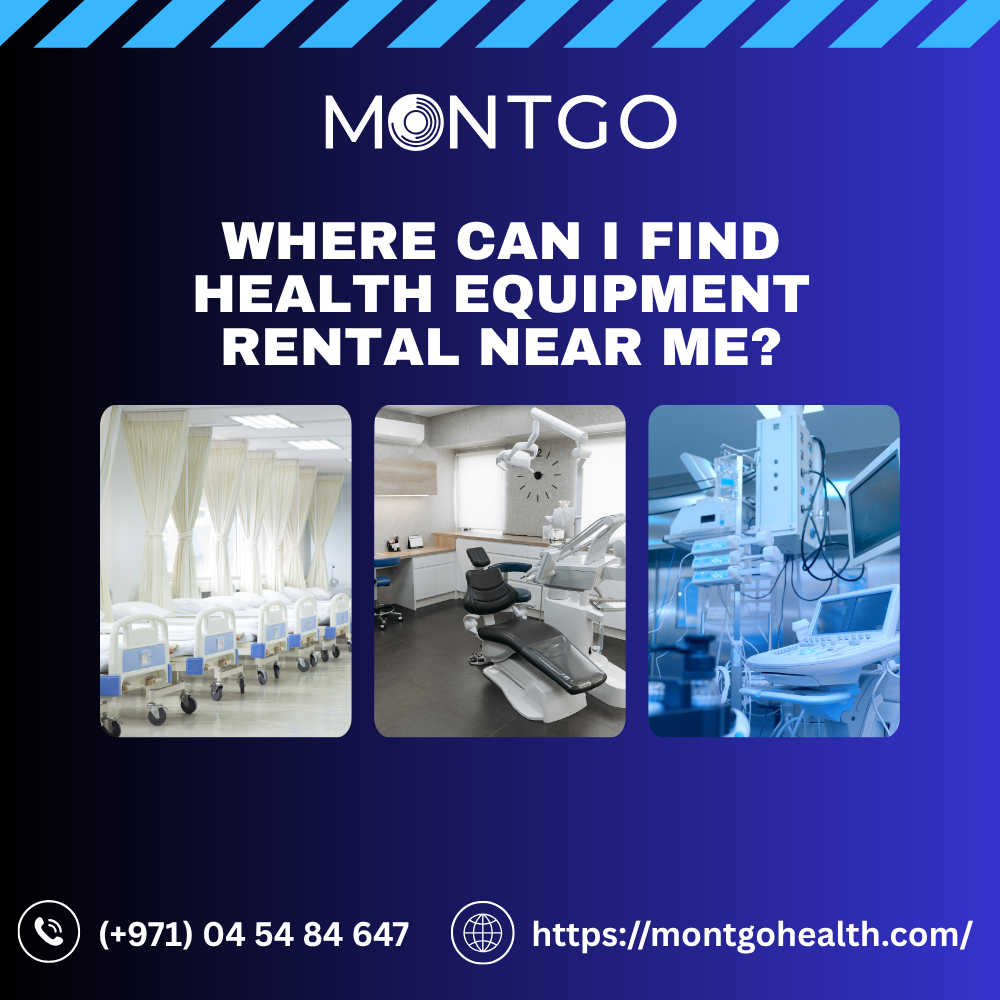
  • Where Can I Find Health Equipment Rental Near Me?

    Where Can I Find Health Equipment Rental Near Me?

    When it comes to health and recovery, having the right equipment at home can make a significant difference. Whether you’re recovering from surgery, caring for an elderly loved one, or managing a chronic illness, medical equipment like wheelchairs, hospital beds, oxygen concentrators, or walkers can improve comfort and mobility. However, buying this equipment outright isn’t always practical or affordable—especially if it’s needed temporarily. That’s where health equipment rental services come in.

    But how do you find reliable health equipment rental near you? Here’s a detailed guide to help you find what you need, when you need it.

    1. Start with Local Pharmacies and Medical Supply Stores

    Many community pharmacies and medical supply stores offer rental services for essential health equipment. These stores typically provide a wide range of devices including wheelchairs, hospital beds, commodes, oxygen tanks, and mobility aids. Because they’re local, they also offer the convenience of home delivery and pickup, making it easier for those with limited mobility.

    To find these services near you, try searching online for “medical equipment rental near me” or “home healthcare equipment rental [your city].” Be sure to check Google Maps or review platforms like Yelp to see ratings and customer feedback. Blogs

    2. Ask Your Doctor or Hospital

    Your healthcare provider is one of the best sources of information when it comes to health equipment rentals. Hospitals and clinics often work with trusted vendors and may even have partnerships with rental services. In some cases, the hospital’s discharge planner or case manager will coordinate the rental for you, especially if it’s a critical part of your recovery plan.

    3. Check with Health Insurance Providers

    Some health insurance policies, especially those covering home healthcare, may offer coverage for rental medical equipment. For information on which suppliers are in-network and whether rentals are covered by your plan, get in touch with your provider. This can significantly reduce your out-of-pocket expenses and ensure you’re getting equipment from a verified source.

    4. Use Online Rental Platforms

    In today’s digital age, many online platforms offer nationwide medical equipment rental with doorstep delivery. Websites such as:

    • Scootaround (for mobility scooters and wheelchairs)
    • Rent It Today
    • Home Medical Equipment Rentals
    • ZASK Medical Supply

    allow users to search by location and type of equipment. These sites provide customer reviews, pricing, and rental duration options, which helps in making an informed choice.

    5. Community Resources and Nonprofits

    Several nonprofit organizations and community health centers offer free or low-cost equipment rental to those in need. Check with local senior centers, disability organizations, or churches, as they sometimes have lending programs for wheelchairs, walkers, or other mobility aids.

    Conclusion

    Finding health equipment rental near you doesn’t have to be a hassle. From local pharmacies to online platforms and community programs, there are many resources available. The key is to identify your exact needs, consult professionals, and choose a reliable provider. By renting instead of buying, you can ensure both cost-effectiveness and the best possible care for yourself or your loved ones. Contact Montgo Health 


    Frequently Ask Questions

    Q. What types of health equipment can I rent?

    A. You can rent wheelchairs, hospital beds, oxygen concentrators, patient lifts, mobility aids, and other homecare medical equipment.

    Q. How long can I rent medical equipment for?

    A. Rental durations are flexible—daily, weekly, or monthly—depending on your needs and the provider’s terms.

    Q. Do I need a prescription to rent health equipment?

    A. Some items like oxygen machines may require a doctor’s prescription, while others like wheelchairs or walkers typically do not.

    Q. Is delivery and setup included in the rental?

    A. Many providers offer delivery, installation, and pickup services, often included in the rental fee or at an additional cost.

    Q. How much does it cost to rent medical equipment?

    A. Prices vary by equipment type and rental period. Basic items start around AED 50–100 per day, with discounts for long-term rentals.

    Q. Can I rent health equipment for travel purposes?

    A. Yes, many rental companies offer portable medical equipment suitable for travel and short-term use while on vacation or business trips.

  • Why Should You Invest in Custom Website Development?

    Why Should You Invest in Custom Website Development?

    In today’s fast-paced digital world, your website is often the first impression people have of your brand. Whether you’re a startup, a growing business, or an established company, your online presence plays a vital role in attracting and retaining customers. While there are plenty of ready-made website templates available, they often fall short in meeting the unique needs of a business. That’s where custom website development comes in and here’s why investing in it is worth every penny. Blogs

    1. Tailored to Your Business Needs

    One of the biggest advantages of custom website development is that your site is built specifically for your brand, your goals, and your audience. Unlike template-based websites that come with limitations, a custom-built site is flexible and scalable. Whether you need special features, integration with third-party tools, or a unique user flow, everything is developed based on your specific requirements.

    With custom development, you’re not trying to fit your business into a box the website is the box designed for your business.

    2. Unique Design That Reflects Your Brand

    You can stand out in the cluttered digital scene with a personalized website. Templates are used by thousands of websites, meaning your site could look just like your competitors’. Custom design gives you complete control over the layout, colors, fonts, animations, and overall user experience.

    A strong brand identity builds trust and credibility and a professionally designed custom site speaks volumes about your business values and attention to detail.

    3. Better Performance and Speed

    Custom websites are optimized for performance from the ground up. Developers can avoid unnecessary code bloat that often comes with template sites. This means faster load times, better responsiveness across devices, and a smoother user experience — all of which contribute to improved search engine rankings and user satisfaction.

    In actuality, Google considers website speed to be a major ranking factor. A custom site that loads quickly and runs efficiently could give you an edge in search results.

    4. Improved Security

    Security is non-negotiable, especially if your website handles user data, e-commerce transactions, or sensitive information. Custom websites are generally more secure because developers can implement security protocols specific to your needs and avoid vulnerabilities that are common in widely-used templates or plugins.

    You get full control over how your site is built and maintained, reducing the risk of malware, data breaches, and other cyber threats.

    5. SEO Optimization from the Start

    The key to being seen online is search engine optimization, or SEO. Custom websites can be developed with SEO best practices baked into the code structure, making it easier for search engines to crawl and index your content.

    You also have the freedom to structure your URLs, meta tags, page hierarchy, and internal linking strategies exactly the way you want giving you a better chance to rank higher in search results.

    6. Scalability and Future Growth

    Your website’s requirements may evolve as your company expands. Custom websites are easier to scale whether that means adding new features, integrating with APIs, or expanding your content and services. The limitations of a pre-made template won’t apply to you.

    Remember it as an investment in your organisation’s future. A custom website gives you a solid foundation to build on for years to come.

    7. Ongoing Support and Maintenance

    When you invest in custom website development, you often gain access to a dedicated development team that understands your site inside out. This means quicker troubleshooting, easier updates, and consistent support as your business evolves.

    You’re not left figuring things out on your own — you have professionals by your side to keep things running smoothly.

    Conclusion

    While template-based websites might be quicker and cheaper in the short term, they often lack the flexibility, uniqueness, and performance needed to grow a successful online presence. Your brand, users, and future are all invested in when you invest in custom website development. It may cost more upfront, but the long-term value, credibility, and business growth it brings make it a smart choice for serious businesses. Contact Montgo Health


    Frequently Ask Questions

    Q. How much does it cost to develop a website in the UAE?

    A. Website development in the UAE typically costs between AED 5,000 and AED 50,000, depending on complexity, features, and whether you hire a freelancer or a professional agency.

    Q. Is web development in demand in the UAE?

    A. Yes, web development is in high demand in the UAE, driven by the growing digital economy, e-commerce, and the need for businesses to establish a strong online presence.

    Q. How much does website development cost?

    A. Globally, website development can cost from $500 for a simple site to $50,000 or more for a complex, custom solution with advanced functionality.

    Q. How much does SEO cost?

    A. SEO services usually range from AED 1,500 to AED 10,000 per month in the UAE, depending on the competitiveness of your industry and the scope of services provided.

    Q. How much does it cost to pay someone to build a website?

    A. Freelancers may charge AED 3,000–15,000, while agencies could charge AED 15,000–50,000+, based on design, features, and maintenance needs.

    Q. Is Wix or WordPress better?

    A. Wix is user-friendly and great for quick setups, while WordPress offers more flexibility, customization, and scalability for long-term growth.

  • What Are Company Formation Services and Who Needs Them?

    What Are Company Formation Services and Who Needs Them?

    Starting a new business is an exciting journey, but navigating the legal and administrative steps can be overwhelming, especially for first-time entrepreneurs. This is where services for business formation are useful. These services are designed to help individuals and groups officially register and set up their businesses, ensuring they comply with all necessary legal requirements.

    What Are Company Formation Services?

    Company formation services, also known as business registration services, involve the process of legally incorporating a business with the appropriate government authorities. In most countries, this means registering with a regulatory body such as the Companies House in the UK or the Secretary of State in the US.

    These services typically include:

    • Business name registration
    • Preparation of legal documents (like Articles of Incorporation or Memorandum of Association)
    • Filing the necessary paperwork with government bodies
    • Obtaining a tax identification number
    • Registering for GST or VAT, if relevant
    • Providing a registered office address
    • Opening a business bank account
    • Offering ongoing compliance support

    In essence, company formation services handle the paperwork and legalities so entrepreneurs can focus on building their business.

    Who Needs Company Formation Services?

    While anyone can technically form a company themselves, not everyone has the time, expertise, or confidence to handle the intricate legal processes. Here’s who typically benefits the most from these services:

    1. First-Time Entrepreneurs

    Starting a business from scratch can be daunting. First-time business owners often lack the legal and administrative knowledge required to register a company properly. Formation services guide them step-by-step, ensuring that nothing is overlooked.

    2. Freelancers and Contractors

    Many freelancers and independent contractors choose to form limited companies to take advantage of tax benefits and legal protections. Formation services make the transition from sole trader to limited company seamless.

    3. Foreign Investors

    If you’re planning to set up a company in a country where you don’t reside, navigating local business laws can be challenging. Company formation services simplify the process by handling local requirements and offering virtual addresses, nominee directors, and other international business support.

    4. Startups with Growth Ambitions

    Tech startups and high-growth companies often need to incorporate quickly and professionally, especially when seeking investors. A well-formed company structure helps attract funding and demonstrates seriousness to potential partners.

    5. Small Business Owners Looking to Scale

    As businesses grow, many sole proprietors opt to incorporate to limit personal liability and gain more credibility. Formation services help ensure the transition is smooth and compliant with all legal standards.

    Conclusion

    Company formation services play a vital role in setting the foundation of a legitimate, compliant, and successful business. Whether you’re a solo freelancer, a budding entrepreneur, or an international investor, these services provide peace of mind by ensuring your business starts off on the right foot. With expert assistance, you can avoid common mistakes, save time, and focus on what really matters—growing your business. Contact Montgo Health.


    Frequently Ask Questions

    Q. How long does it take to register a company in the UAE?

    A. Company registration in the UAE typically takes 3 to 10 business days, depending on the type of business, jurisdiction (Mainland, Free Zone, or Offshore), and document readiness.

    Q. What is the difference between an establishment and a company in the UAE?

    A. An establishment is a sole proprietorship owned by one person, while a company usually involves multiple shareholders and can be structured as an LLC or other legal entity with broader operations and liability protection.

    Q. What is a corporate service provider in the UAE?

    A. A corporate service provider (CSP) is a licensed firm that helps businesses with company formation, visa processing, legal compliance, licensing, and administrative support.

    Q. How can I register a service company in Dubai?

    A. To register a service company in Dubai, you need to:

    • Choose a legal structure (e.g., LLC or sole proprietorship)

    • Get initial approvals from DED or relevant authority

    • Reserve your trade name

    • Submit documents and pay the license fee

    • Get your business license issued

    Q. What are the duties of corporate services?

    A. Corporate services typically include:

    • Business setup and licensing

    • PRO and visa services

    • Compliance and renewal management

    • Legal and administrative support

    • Office space and sponsorship solutions

    Q. Can I start a company while working for another in the UAE?

    A. Yes, but you must get a No Objection Certificate (NOC) from your current employer and ensure your visa allows business activity. Free Zones may have different requirements.

  • Who Qualifies for a Health Care Professional License in the UAE?

    Who Qualifies for a Health Care Professional License in the UAE?

    The United Arab Emirates (UAE) is one of the fastest-growing hubs for healthcare in the Middle East. With state-of-the-art hospitals, cutting-edge medical research, and a diverse, multinational population, the country offers excellent opportunities for health care professional license. However, before you can begin working in the UAE’s healthcare sector, you must obtain a professional license. This blog post will explore who qualifies for a healthcare license in the UAE, what requirements must be met, and how to start the process.

    Why Is Licensing Necessary?

    The UAE government places high importance on maintaining quality standards in healthcare. Therefore, any individual wishing to practice as a healthcare professional—whether a doctor, nurse, pharmacist, technician, or therapist—must be licensed by the relevant regulatory body. This ensures that all practitioners meet the country’s medical standards and ethics and are qualified to deliver safe and effective care.

    Who Needs a Healthcare License?

    Licensing is mandatory for the following professionals:

    • Physicians (General practitioners and specialists)
    • Dentists
    • Nurses and Midwives
    • Pharmacists
    • Medical Laboratory Technologists
    • Radiographers
    • Physiotherapists
    • Occupational and Speech Therapists
    • Allied Health Professionals

    Which Authorities Issue the Licenses?

    The UAE is divided into several health jurisdictions, and each has its own regulatory authority:

    1. Healthcare workers based in Dubai are covered by the Dubai Health Authority (DHA).
    2. Abu Dhabi is covered by the Department of Health (DOH), formerly known as HAAD.
    3. The Northern Emirates (Sharjah, Ajman, Fujairah, Ras Al Khaimah, and Umm Al Quwain) are governed by the Ministry of Health and Prevention (MOHAP).
    4. For professionals employed in the Dubai Healthcare City free zone, contact the Dubai Healthcare City Authority (DHCC).

    You must apply to the authority that covers the emirate where you intend to work.

    Minimum Requirements for Licensing

    While each licensing authority has slight differences, the general qualifications are similar. Here’s what is typically required:

    1. Educational Qualification

    You must hold a recognized degree or diploma in your healthcare field. The UAE Ministry of Foreign Affairs and the appropriate authorities in your home country should attest the qualification, which must meet UAE criteria.

    2. Professional Experience

    Most licensing authorities require a minimum of 2 years of experience after graduation for general practitioners and more for specialists or consultants. Experience must be verifiable and supported by letters of recommendation or certificates of employment.

    3. Good Standing Certificate

    You must provide a Certificate of Good Standing from your home country’s medical or regulatory board, confirming that you have no malpractice or disciplinary issues.

    4. Language Proficiency

    Proficiency in English is mandatory. Some authorities may require you to pass English language tests such as IELTS or TOEFL, especially if your studies were not in English.

    5. Licensing Exams

    Depending on the emirate and your specialty, you may be required to pass a licensing examination such as:

    • Prometric exam (for DOH or MOHAP)
    • DHA exam (for Dubai)
    • DHCC assessment (for Dubai Healthcare City)

    Who Is Exempted from Exams?

    Some health professionals who studied and worked in countries like the USA, UK, Canada, Australia, or Western Europe may be exempted from written exams, depending on their experience and education.

    Application Process Overview

    1. Create a profile on the licensing authority’s portal (e.g., Sheryan for DHA, DataFlow for DOH).

    2. Upload your documents for primary source verification (PSV) through DataFlow.

    3. Book and pass the relevant licensing exam (if required).

    4. Get your eligibility letter and then secure employment with a licensed facility.

    5. Your employer will complete the final licensing steps.

    Conclusion

    Getting a health care license in the UAE may seem like a lengthy process, but it’s a vital step in ensuring the safety and professionalism of healthcare services in the country. If you’re well-qualified and meet the requirements, the UAE offers a rewarding and multicultural environment for healthcare professionals. Make sure to research the latest updates from your specific emirate’s health authority to ensure a smooth application process. Contact Montgo Health


    Frequently Ask Questions

    Q. How can I get a MOH license in the UAE?

    A. To obtain a Ministry of Health (MOH) license, apply through the MOHAP website, submit your qualifications and experience, pass the MOH exam, and complete dataflow verification.

    Q. Who is eligible for a DHA license?

    A. Doctors, nurses, dentists, pharmacists, and allied health professionals with recognized qualifications and relevant clinical experience are eligible to apply for a DHA (Dubai Health Authority) license.

    Q. How can I get a health certificate in the UAE?

    A. You can obtain a health certificate by visiting an authorized medical fitness center, undergoing required tests (like blood tests and X-rays), and receiving clearance from UAE health authorities.

    Q. How can I get a DHA license in the UAE?

    A. Register on the DHA Sheryan portal, upload required documents, undergo Primary Source Verification (Dataflow), pass the Prometric exam, and complete the licensing process.

    Q. How long is the DHA license valid in the UAE?

    A. A DHA license is typically valid for one year and must be renewed annually.

    Q. How much experience is required for a DHA license?

    A. Generally, at least 2 years of clinical experience is required, but it may vary depending on the healthcare profession and specialty.

  • How Do You Apply for a Nursing Home License?

    How Do You Apply for a Nursing Home License?

    It’s a great and ambitious idea to start a nursing home, but getting the right nursing home licenses is a must before you can welcome residents. This legal authorization ensures your facility meets state and federal standards for safety, healthcare quality, and staffing. In this blog post, we’ll walk you through the general process of applying for a nursing home licenses, along with key considerations every applicant should know.

    1. Understand State Requirements

    The first step in applying for a nursing home license is understanding your state’s specific regulations. Each U.S. state has its own health department or licensing agency that oversees long-term care facilities. Requirements may vary slightly in terms of application forms, fees, inspections, and qualifications, so visit your state’s Department of Health website to get the most accurate and updated information.

    2. Meet Eligibility Criteria

    Before applying, ensure you or your organization meets the basic eligibility requirements. These typically include:

    • A background investigation for administrators and owners
    • Proof of financial stability
    • A qualified administrator with proper credentials (often a Licensed Nursing Home Administrator)
    • A detailed business plan and operational policies
    • Compliance with zoning and building codes

    Many states also require the facility to be incorporated as a legal business entity and registered with the Secretary of State.

    3. Complete the Application Form

    Once you meet the prerequisites, the next step is to complete the nursing home license application. This form usually asks for:

    • Ownership details
    • Facility information (location, capacity, type of care provided
    • Staffing plans and qualifications
    • Floor plans of the facility
    • Infection control procedures
    • Resident care policies

    Be thorough and accurate, as incomplete applications can delay the process.

    4. Undergo Inspections and Surveys

    After your application is reviewed, your facility must pass a series of inspections. These inspections are conducted by the state health department and focus on:

    • Fire safety and emergency preparedness
    • Sanitation and hygiene
    • Medical equipment and medication storage
    • Resident privacy and rights
    • Staffing ratios and qualifications

    A successful inspection is critical for obtaining licensure. If deficiencies are found, you may be given a chance to correct them before final approval.

    5. Pay Licensing Fees

    Most states require a licensing fee, which varies based on the facility’s size or bed count. Be sure to confirm the exact amount and payment method with your licensing agency. Keep in mind, there may also be annual renewal fees.

    6. Receive Your License and Begin Operations

    Once all inspections are passed and your documentation is approved, your facility will be issued a nursing home licenses. This allows you to legally operate and admit residents. Note that licensed facilities are subject to periodic inspections to maintain compliance with healthcare standards.

    Conclusion

    Applying for a nursing home licenses is a detailed and often lengthy process, but it ensures the safety and well-being of those in your care. By staying organized, informed, and compliant with regulations, you’ll be well on your way to establishing a trusted and reputable nursing facility. Always consult with legal or healthcare licensing professionals if you have questions during the application process. Contact Montgo Health


    Frequently Ask Questions

    Q. Which license is best for nurses in the UAE?

    A. The best license depends on the emirate where you plan to work: DHA license for Dubai, HAAD (now SEHA) license for Abu Dhabi, and MOH license for other emirates.

    Q. How can I get a DOH license in the UAE?

    A. To get a DOH (Department of Health, Abu Dhabi) license, submit your qualifications, pass required exams, and complete the application through the DOH portal for healthcare professionals.

    Q. What is a MOH license in the UAE?

    A. A MOH (Ministry of Health) license allows healthcare professionals to practice in UAE emirates other than Dubai and Abu Dhabi, after fulfilling the ministry’s registration requirements.

    Q. What are the three types of business licenses in the UAE?

    A. The three main types are: Commercial (trading), Industrial (manufacturing), and Professional (services).

    Q. Which is better, MOH or DHA license?

    A. It depends on the emirate: DHA is required for Dubai, MOH for other emirates except Abu Dhabi, which uses DOH/SEHA. Choose based on your work location.

    Q. What is HAAD license in UAE?

    A. HAAD (Health Authority – Abu Dhabi) license was the healthcare professional license in Abu Dhabi, now replaced by the DOH license system.

  • What Is Medical Leasing and How Can It Benefit Your Practice?

    What Is Medical Leasing and How Can It Benefit Your Practice?

    In today’s fast-paced healthcare environment, staying up to date with the latest medical equipment is not just a luxury—it’s a necessity. However, purchasing cutting-edge machines and technology outright can be financially straining, especially for small or mid-sized practices. This is where medical leasing steps in as a strategic and flexible solution. Blogs

    What Is Medical Leasing?

    Medical leasing is a financial arrangement that allows healthcare providers to rent medical equipment over a set period rather than buying it outright. This can include everything from diagnostic imaging machines and surgical tools to patient monitoring systems and even office furniture.

    Leasing companies typically offer fixed monthly payments for the use of equipment, with options to upgrade, buy out, or return the equipment at the end of the lease term. This model enables practices to access high-quality tools without the heavy upfront investment.

    Types of Medical Leasing

    There are generally two main types of medical leasing:

    1. A working lease is greater comparable to a condominium settlement. At the conclusion of the lease, the equipment is back, and the lessee does not turn out to be the owner. It’s ideal for technology that becomes obsolete quickly.

    2. Capital Lease is closer to a loan. The practice pays monthly installments and usually gains ownership at the end of the term, either automatically or for a small buyout fee.

    Benefits of Medical Leasing

    1. Preserves Cash Flow

    One of the most significant advantages of medical leasing is that it allows practices to conserve capital. Instead of spending large sums upfront, you can spread costs over time, making it easier to manage monthly budgets and direct funds toward other operational needs.

    2. Access to the Latest Technology

    Medical technology evolves rapidly. Leasing gives you the flexibility to upgrade equipment regularly, ensuring your practice remains competitive and can offer the highest standard of care.

    3. Tax Benefits

    Leased equipment can often be deducted as a business expense, reducing your taxable income. This can vary based on jurisdiction, so it’s always wise to consult a tax advisor.

    4. Maintenance and Service

    Many leasing agreements include maintenance and repair services. This reduces the burden on your staff and ensures that the equipment is always in optimal working condition.

    5. Flexible Terms

    Leasing companies offer various plans and durations tailored to your specific needs. Whether you’re starting a new practice or expanding an existing one, you can find a lease that aligns with your goals and budget.

    6. No Obsolescence Risk

    Since you’re not locked into owning the equipment, you can easily replace outdated devices at the end of the lease term. This is particularly useful for high-tech diagnostics and lab tools that become obsolete quickly.

    Conclusion

    Medical leasing offers a smart, cost-effective way to modernize and maintain your healthcare practice without the financial strain of outright purchases. With benefits like improved cash flow, access to state-of-the-art technology, and tax advantages, leasing can be a game-changer for clinics looking to grow and thrive in an increasingly competitive field.

    If you’re planning to upgrade your medical equipment, consider leasing—not just as a financial decision, but as a strategic investment in the future of your practice and the care you provide. Contact Montgo Health


    Frequently Ask Questions

    1. How to start a medical equipment business in Dubai?

    Register your company with the Department of Economic Development, obtain necessary trade and medical equipment licenses, and comply with Dubai Health Authority regulations.

    2. How can I get free medical treatment in UAE?

    Free medical treatment is available for UAE nationals and certain residents through government hospitals and clinics under health insurance schemes or government programs.

    3. How can I register my medical products in UAE?

    Submit your product details and documentation to the UAE Ministry of Health or relevant health authority for approval and registration before marketing.

    4. How much is the medical device registration fee in UAE?

    Fees vary by device type and authority, typically ranging from AED 1,000 to AED 10,000; exact costs depend on the health authority and product classification.

    5. Which medical license is best in UAE?

    Choose DHA for Dubai, DOH for Abu Dhabi, or MOH license for other emirates, based on your location and professional requirements.

    6. How can I sell medicine in UAE?

    Obtain a pharmaceutical trade license, register your products with the UAE Ministry of Health, and comply with local regulations for storage, distribution, and sales.

  • How to Choose the Best Social Media Management in Dubai

    How to Choose the Best Social Media Management in Dubai

    In today’s digital-first world, having a strong and strategic presence on social media is no longer optional it’s essential. Whether you’re a small business owner, a growing brand, or a large enterprise in Dubai, managing your social media effectively can help boost visibility, engage your audience, and drive revenue. But with the growing number of agencies and freelancers claiming to be “experts,” how do you choose the best social media management in Dubai?

    To help you make the best choice, below is a thorough guide. Blogs

    1. Define Your Goals First

    Before you even start looking for a social media manager or agency, you need to be clear on what you want to achieve. Are you looking to grow your followers? Drive more traffic to your website? Increase leads or sales? Enhance brand awareness?

    Your goals will determine the kind of service provider you need. For example:

    • Select a content-driven firm if you want original, viral material.
    • Choose a performance marketing agency if you want sales conversions.

    2. Check Their Industry Experience

    Dubai has a unique market with a diverse audience. An agency with experience in your industry or one that understands local trends, culture, and audience behavior will always be more effective. Ask for their portfolio—have they handled brands in your niche before? Do they know how to converse in Arabic and English, if necessary?

    Also, check if they have experience with your target platforms (Instagram, TikTok, LinkedIn, etc.). A B2B brand, for example, would need a different strategy than a beauty brand. 

    3. Review Their Past Work & Case Studies

    Any good social media management company in Dubai should be able to show you examples of their previous work:

    • Content samples (graphics, videos, captions)

    • Engagement results (likes, shares, comments)

    • Growth metrics (follower increase, reach, impressions)

    • Campaign performance (ROI, conversions)

    Don’t just look at numbers—look at the creativity and consistency of their content. Does it fit the vision you have for your brand? 

    4. Evaluate Their Team and Tools

    Effective social media management is a team effort. It involves strategy, content creation, community management, analytics, and paid ads. Ask:

    • Do they have in-house designers and copywriters?

    • Do they use tools like Hootsuite, Buffer, or Sprout Social for scheduling and reporting?

    • For communication, will you have a specific account manager?

    With the correct personnel and resources, you can guarantee quality, save time, and gain insightful knowledge about how well your brand is performing.

    5. Understand Their Strategy Process

    A top agency won’t jump straight into posting random content. They should follow a structured process:

    • Market and competitor analysis

    • Audience targeting

    • Content calendar planning

    • Engagement and community building

    • Monthly reporting and strategy tweaks

    Ask if they provide custom strategies tailored to your brand or just use a one-size-fits-all template.

    6. Consider Your Budget

    Depending on the agency’s experience, services provided, and the size of your company, social media management costs in Dubai might vary significantly. Some offer packages, while others charge based on time or performance.

    Don’t just go for the cheapest option—investing in quality often delivers better returns. Make sure their pricing is transparent and includes content creation, posting, monitoring, and reporting.

    7. Check Client Reviews and Reputation

    What do other clients say about them? Look for reviews on Google, social platforms, or B2B directories like Clutch or Sortlist. A good reputation and long-term client relationships indicate trustworthiness and results.

    Conclusion

    There is more to selecting the top social media management in Dubai than just eye-catching graphics or a large following. It’s important selecting a partner who helps you reach your company objectives, speaks the same language as your audience, and knows your brand. Take your time to research, ask questions, and select a team that aligns with your vision and values.

    After all, in the fast-paced digital world, the right social media strategy can be your biggest competitive advantage. Contact Montgo Health


    Frequently Ask Questions

    Q. How much should I pay someone to manage my social media?

    A. The cost to manage social media varies depending on the experience and scope of work. On average, it ranges from $300 to $1,500+ per month per platform.

    Q. How much does a social media specialist make in Dubai?

    A. In Dubai, a social media specialist typically earns between AED 5,000 to AED 15,000 per month, depending on experience, company size, and responsibilities.

    Q. Can I hire someone to manage my social media?

    A. Yes, you can hire a freelance social media manager or a digital marketing agency to handle your content creation, posting, engagement, and strategy.

    Q. How much do I charge to run an Instagram account?

    A. Charges depend on content volume and services (e.g., design, captions, hashtags, analytics). Freelancers typically charge $200–$1,000/month for Instagram management.

    Q. Is social media management worth it for small businesses?

    A. Yes. Professional social media management can boost brand visibility, attract new customers, and free up your time to focus on other areas of your business.

    Q. What should a social media manager do?

    A. A social media manager creates content, schedules posts, responds to messages, analyzes performance, and develops strategies to grow your online presence.