Montgo Health Systems

Author: Montgo Health Systems

  • What Is Healthcare Recruitment and Why Is It So Important Today?

    What Is Healthcare Recruitment and Why Is It So Important Today?

    In today’s fast-paced and ever-evolving world, healthcare recruitment stands as a crucial pillar supporting the entire medical industry. But what exactly does it mean, and why has it become more vital than ever?

    Healthcare recruitment is the process of identifying, attracting, and hiring qualified professionals for roles in hospitals, clinics, nursing homes, private practices, and other medical facilities. These roles include not just doctors and nurses, but also technicians, administrative staff, therapists, pharmacists, and healthcare aides. The goal is to ensure that healthcare providers have the skilled personnel they need to offer high-quality care to patients.

    The importance of healthcare recruitment has grown significantly in recent years, and there are several reasons behind this surge.

    1. Growing Demand for Healthcare Services

    The need for healthcare services is growing as the world’s population ages and the prevalence of chronic illnesses rises. People are living longer, and as they do, their healthcare needs increase. This puts enormous pressure on healthcare systems to maintain sufficient staffing levels. Without effective recruitment, hospitals and clinics risk being understaffed, which can lead to longer wait times, lower quality care, and overworked employees.

    1. Healthcare Worker Shortages

    Around the world, there is a well-documented shortage of healthcare workers. Many professionals are retiring, while others are leaving the industry due to burnout—especially after the COVID-19 pandemic. Recruitment helps fill these gaps by sourcing new talent and encouraging professionals to re-enter the workforce. It also focuses on attracting candidates from a broader pool, sometimes even internationally, to ensure critical roles are not left vacant.

    1. Ensuring Quality Patient Care

    Finding the appropriate people is the goal of a successful recruitment strategy, not just filling positions. The right hire can make a big difference in patient outcomes, satisfaction, and overall healthcare quality. Competent and compassionate healthcare workers contribute to a better patient experience and improved health results. When recruitment is rushed or poorly managed, it can lead to hiring the wrong individuals, which may negatively impact patient care.

    1. Adapting to Technological Advancements

    As technology transforms healthcare—through telemedicine, AI diagnostics, and electronic medical records—there’s a growing need for workers who are not only medically trained but also tech-savvy. Recruitment efforts must now identify candidates who can adapt to these changes and contribute to a more modern, efficient healthcare system.

    1. Diversity and Inclusion

    A diverse healthcare workforce improves communication and trust between providers and patients from different backgrounds. Recruitment plays a vital role in promoting diversity by actively seeking candidates from various cultures, ethnicities, and communities. This inclusive approach can lead to more personalized and culturally sensitive care.

    Conclusion

    In summary, healthcare recruitment is the backbone of any efficient and effective healthcare system. As the industry faces ongoing challenges—rising patient numbers, worker shortages, and technological advancements—the need for smart, strategic hiring becomes even more critical. By investing in better recruitment practices, we are not only supporting healthcare workers but also ensuring that every patient receives the care they deserve. In a world where health is more precious than ever, strong healthcare recruitment isn’t just important—it’s essential. 


    Frequently Ask Questions

    Q. How does the UAE healthcare system work?

    A. The UAE healthcare system is a mix of public and private providers. The government provides free or subsidized healthcare for UAE nationals, while expats usually use private healthcare, often covered by employer-provided insurance.

    Q. What are the requirements for doctors to work in UAE?

    A. Doctors wishing to work in the UAE must have a recognized medical degree, complete necessary exams (such as DHA or HAAD), and obtain a medical license from the relevant health authority in the UAE.

    Q. How do I recruit employees in UAE?

    A. To recruit employees in the UAE, you can post job openings on local job boards, work with recruitment agencies, and comply with labor laws. Ensure the recruitment process follows the UAE’s visa and work permit regulations.

    Q. What is the healthcare sector in Dubai?

    A. The healthcare sector in Dubai is advanced, with a mix of public and private hospitals and clinics. It focuses on providing high-quality care in areas like specialized treatment, surgery, and preventive healthcare services.

    Q. What is the rank of UAE in healthcare?

    A. The UAE ranks among the top countries for healthcare quality and infrastructure, with world-class hospitals, clinics, and medical services, earning recognition on global healthcare indices.

    Q. Which sector is health related to?

    A. Healthcare is closely related to the public service sector, contributing to economic development, social well-being, and the overall quality of life. It also ties into pharmaceuticals, biotechnology, and health insurance industries.
  • How Do You Choose the Best Home Healthcare Provider for Your Loved Ones?

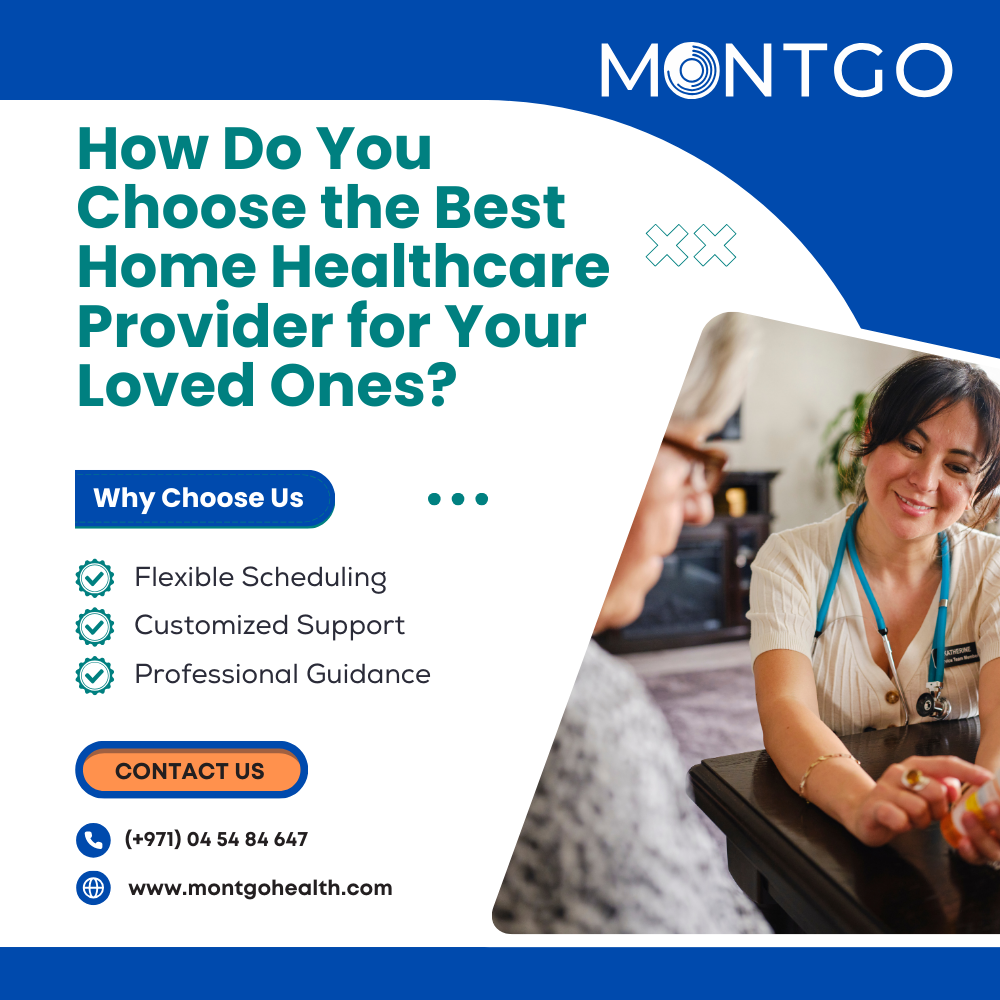
    How Do You Choose the Best Home Healthcare Provider for Your Loved Ones?

    When it comes to our loved ones, nothing matters more than their health, safety, and happiness. As they age or face health challenges, the decision to hire a home healthcare provider becomes crucial — and emotional. Choosing the right caregiver isn’t just about professional qualifications; it’s about trust, compassion, and peace of mind.

    Here’s a guide to help you find the best home healthcare provider for your loved ones:

    1. Understand Your Loved One’s Needs

    Before you even start your search, sit down and carefully assess what type of care your loved one requires.

    • Do they need medical care, personal care, companionship, or a combination of all three?

    • Are there special conditions like dementia, stroke recovery, or mobility issues to consider?

    Knowing exactly what kind of assistance is needed will help you choose a provider with the right expertise.

    2. Research Thoroughly

    Not all home healthcare providers are the same.
    Take time to:

    • Read online reviews.

    • Ask for recommendations from friends, doctors, or community groups.

    • Check if the agency is licensed, insured, and accredited by reputable organizations.

    Remember, a professional online presence and transparency about services often reflect the quality of care they offer.

    3. Check Credentials and Experience

    It’s essential to verify the caregivers’ qualifications:

    • Are they certified nursing assistants (CNAs), licensed practical nurses (LPNs), or registered nurses (RNs)?

    • How much experience do they have in handling situations similar to your loved one’s needs?

    • Does the agency perform background checks and regular training?

    Trust is built when you know the person entering your home is skilled, vetted, and professional.

    4. Evaluate Their Approach to Personalized Care

    The best providers don’t just offer one-size-fits-all services.
    Ask:

    • Will they create a customized care plan based on your loved one’s preferences, routines, and health goals?

    • How do they handle changes in health conditions?

    A flexible, personalized approach ensures your loved one receives care that feels comfortable and respectful.

    5. Meet the Caregivers Personally

    Whenever possible, arrange a meeting with the potential caregiver. Observe:

    • Their communication skills.

    • Their patience and listening ability.

    • Whether your loved one feels at ease around them.

    The emotional connection between caregiver and client is just as important as the professional service provided.

    6. Understand Their Emergency Protocols

    Emergencies can happen at any time.
    Ask providers:

    • How do they handle medical emergencies?
    • Is there a hotline open around-the-clock for critical issues?
    • Do they have backup caregivers if the primary one cannot make it?

    A strong support system behind the scenes ensures consistent, safe care.

    7. Review Costs and Payment Options

    Home healthcare can be expensive, so be clear about:

    • Hourly rates or package deals.
    • what’s covered and what isn’t always inside the service.
    • Insurance or government aid options that may help cover the cost.

    Always get a written agreement to avoid surprises later.

    8. Trust Your Instincts

    Trust your intuition over data and facts. If something feels off — even if everything looks good on paper — it’s okay to keep searching. After all, you’re choosing someone who will be a part of your family’s daily life.

    Conclusion
    Choosing a home healthcare provider is a major decision that deserves time, research, and heart. By being thorough and thoughtful, you can find someone who will not only care for your loved one’s health but also bring comfort, dignity, and warmth into their life. Contact For Detail Montgo Health.


    Frequently Aks Questions

    Q. Who is the largest healthcare provider in the UAE?

    A. SEHA (Abu Dhabi Health Services Company) is the largest healthcare network in the UAE, managing numerous public hospitals and clinics. In the private sector, NMC Healthcare and Mediclinic Middle East are among the largest.

    Q. How much does a home nurse cost in Dubai?

    A. The cost of a home nurse in Dubai typically ranges from AED 25 to AED 100 per hour, depending on the level of care required. Full-time monthly rates can start from AED 6,000 to AED 15,000 or more.

    Q. Which is the best healthcare in the UAE?

    A. Some of the top-rated healthcare providers in the UAE include Cleveland Clinic Abu Dhabi, American Hospital Dubai, and Sheikh Khalifa Medical City. Quality varies by specialization and location.

    Q. What services are offered by Genera Dubai?

    A. Genera Dubai offers home healthcare services, including skilled nursing, physiotherapy, elderly care, post-surgical care, mother and baby care, and chronic condition management at home.

    Q. What are the services provided by Etisalat?

    A. Etisalat provides telecommunications services including mobile and fixed-line services, internet (broadband), TV packages, cloud solutions, cybersecurity, and smart home services.

    Q. Who pays for services in Dubai?

    A. In Dubai, healthcare is typically covered by mandatory health insurance, either provided by employers or purchased individually. For other services, individuals pay directly or through private service providers, depending on the arrangement.

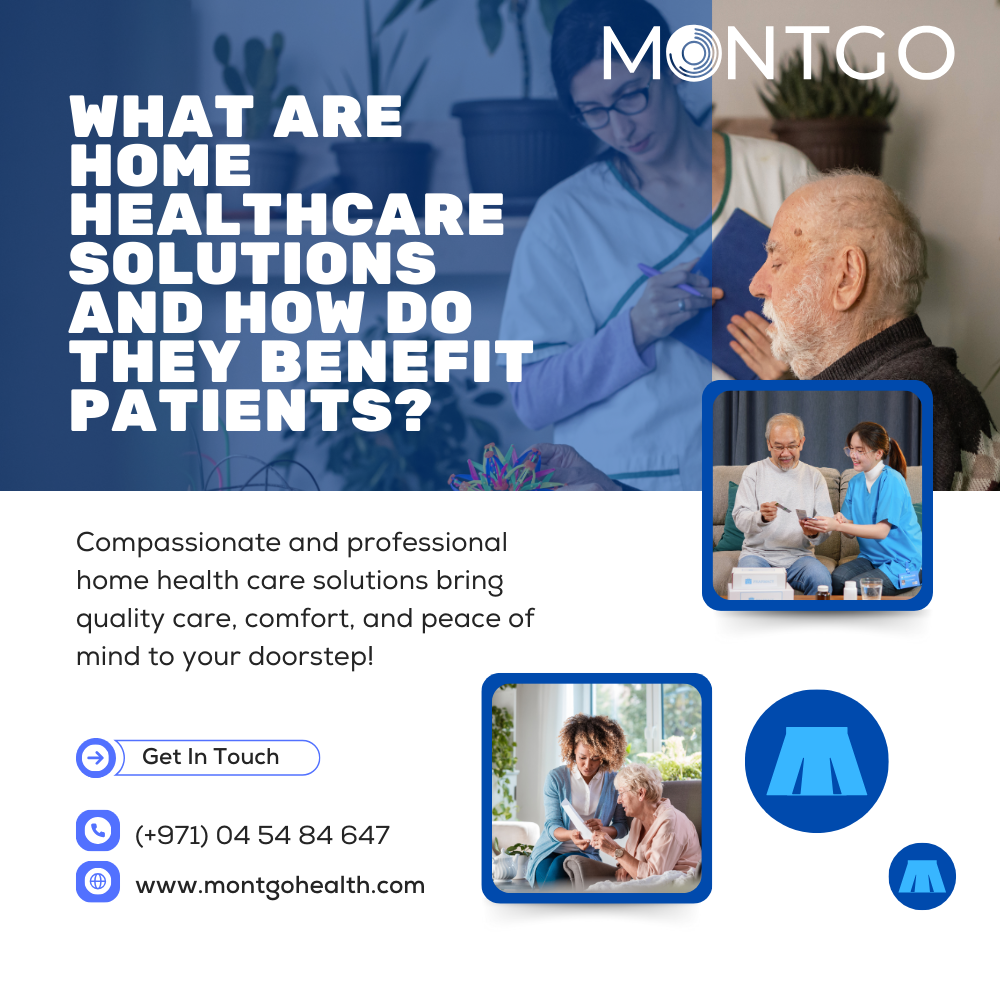
  • What Are Home Healthcare Solutions and How Do They Benefit Patients?

    What Are Home Healthcare Solutions and How Do They Benefit Patients?

    In recent years, the demand for home healthcare solutions has grown rapidly, reshaping how patients receive medical care. Whether due to chronic illness, post-surgery recovery, aging, or disability, many individuals now prefer the comfort and convenience of receiving healthcare services in their own homes. But what exactly are home healthcare solutions, and why are they so beneficial for patients?

    Understanding Home Healthcare Solutions

    Home healthcare refers to a range of medical and non-medical services provided in a patient’s residence. These services are typically prescribed by a doctor and carried out by licensed professionals such as nurses, physical therapists, occupational therapists, or home health aides. The goal is to offer high-quality, personalized care outside the traditional hospital or clinical setting.

    Some common home healthcare services include:

    • Skilled nursing care

    • Physical, occupational, and speech therapy

    • Medical social services

    • Wound care and medication management

    • Personal care support (e.g., bathing, dressing, grooming)

    • Chronic disease monitoring (e.g., diabetes, heart disease)

    Technology has further enhanced these services, with telehealth, remote monitoring devices, and mobile health applications making care more accessible and efficient.

    The Benefits of Home Healthcare for Patients

    1. Comfort and Convenience
      One of the most obvious benefits of home healthcare is the ability to receive care in a familiar and comfortable environment. Patients often feel more relaxed at home, which can lead to faster recovery and improved mental well-being. There’s no need for long hospital stays or repeated clinic visits, which can be both physically and emotionally draining.

    2. Personalized Attention
      Home healthcare provides one-on-one attention, allowing healthcare providers to tailor treatments specifically to the patient’s needs. This personalized care often results in better outcomes, as the care plan is closely monitored and adjusted based on progress.

    3. Cost-Effective
      Compared to extended hospital stays or nursing home care, home healthcare can be significantly more affordable. It reduces costs related to room charges, hospital food, and other associated services while still maintaining a high standard of care.

    4. Promotes Independence
      For elderly or disabled patients, maintaining independence is crucial for their dignity and mental health. Home healthcare supports this by enabling individuals to remain in their homes and perform daily activities with assistance, rather than being dependent on institutional care.

    5. Reduced Risk of Infections
      Hospitals can be hotspots for infections, especially for patients with compromised immune systems. Being cared for at home significantly lowers the risk of exposure to hospital-acquired infections.

    6. Family Involvement
      Family members can take a greater energetic role in their loved one’s care thanks to home healthcare. This not only ensures that patients feel supported but also helps families better understand the medical needs and how to assist.

    Conclusion

    Home healthcare solutions are transforming the way care is delivered, making it more compassionate, accessible, and effective. For patients recovering from illness or managing chronic conditions, these services offer a bridge between hospital and home, promoting healing in the place they feel safest. As technology advances and the healthcare landscape evolves, home healthcare is set to play an even greater role in ensuring wellness at every stage of life. For More Details Contact Montgo Health.


    Frequently Ask Questions

    Q. What is the healthcare system in the UAE?

    A. The UAE has a dual healthcare system comprising both public and private sectors. It provides high-quality, accessible medical services with strong government oversight. Healthcare in the UAE is regulated by various authorities like the Ministry of Health and Prevention (MOHAP), the Department of Health – Abu Dhabi (DOH), and the Dubai Health Authority (DHA). It is known for modern facilities, skilled professionals, and growing digital healthcare services.

    Q. What are the three significant improvements to the UAE’s healthcare system?

    • Digital Transformation: Widespread adoption of telemedicine, electronic health records (EHRs), and AI in diagnostics and care delivery.

    • Universal Health Insurance: Mandatory health insurance in emirates like Abu Dhabi and Dubai, ensuring better access to care.

    • Global Accreditation & Medical Tourism: Many hospitals are internationally accredited, and the UAE is growing as a destination for medical tourism.

    Q. Which is the largest healthcare system in the UAE?

    A. SEHA (Abu Dhabi Health Services Company) is the largest healthcare network in the UAE. It operates public hospitals and clinics across Abu Dhabi and plays a central role in delivering healthcare services in the emirate.

    Q. What is the biggest health problem in the UAE?

    A. Chronic lifestyle diseases are the biggest health issues in the UAE. These include:

    • Diabetes

    • Cardiovascular diseases

    • Obesity
      These are linked to sedentary lifestyles, unhealthy diets, and limited physical activity.

    Q. How does UAE promote health and wellbeing?

    A. The UAE promotes health and wellbeing through:

    • Public awareness campaigns (e.g., for fitness, nutrition, and smoking cessation)

    • Preventive screenings and vaccinations

    • National fitness programs like the Dubai Fitness Challenge

    • Investment in mental health, maternal care, and elderly support

    • Healthy city initiatives in line with WHO guidelines

    Q. Which disease is not allowed in UAE?

    A. Certain infectious diseases are considered inadmissible for residency in the UAE. These include:

    • HIV/AIDS

    • Hepatitis B and C

    • Tuberculosis (active cases)

    • Leprosy

    • Syphilis (in some cases)
      Foreigners applying for residence visas are required to pass medical tests and may be denied entry or deported if found positive for these diseases.

  • Why Is Healthcare Planning Critical for a Sustainable Medical System?

    Why Is Healthcare Planning Critical for a Sustainable Medical System?

    In an era where health challenges are evolving rapidly, healthcare plannings stands as the cornerstone of a sustainable medical system. From managing pandemics to ensuring accessible care in underserved areas, effective planning is essential to maintain and improve health services for current and future generations. But why exactly is healthcare plannings so critical? Let’s dive into it.

    1. Ensures Efficient Resource Allocation

    Resources in the healthcare sector—be it manpower, equipment, or finances—are limited. Without strategic planning, there’s a high risk of overuse in some areas and neglect in others. For instance, a region might be overstaffed with general practitioners but lack specialists or essential medical supplies. Through well-structured planning, healthcare systems can distribute resources where they’re needed most, preventing waste and promoting equity.

    2. Prepares for Future Challenges

    Healthcare is not just about addressing today’s issues. Planning anticipates tomorrow’s. Whether it’s the rise of chronic diseases, the aging population, or unexpected outbreaks like COVID-19, a sustainable system must be resilient and responsive. This requires data-driven forecasting, investment in infrastructure, and readiness for rapid adaptation. When governments and institutions plan ahead, they can respond quickly and effectively to emerging health crises.

    3. Promotes Universal Access

    One of the biggest challenges in global healthcare is inequality. Many people, especially in rural or economically disadvantaged areas, struggle to access even basic health services. Strategic healthcare planning aims to bridge this gap. By identifying underserved regions and developing targeted interventions, planning supports the goal of universal health coverage—where every individual receives the care they need without financial hardship.

    4. Supports Cost-Effectiveness

    Healthcare costs are soaring worldwide. If left unchecked, they can cripple economies and burden citizens. Strategic planning helps control these costs by prioritizing preventive care, early diagnosis, and efficient treatment models. It also emphasizes the importance of digital health technologies and telemedicine, which reduce overhead costs while improving service delivery.

    5. Improves Quality of Care

    Sustainability isn’t just about maintaining services—it’s about improving them. Planning allows for continuous assessment and quality improvement. By setting standards, monitoring performance, and adapting strategies based on feedback, healthcare systems can offer better outcomes, enhance patient satisfaction, and boost public trust.

    6. Fosters Collaboration and Innovation

    Healthcare plannings encourages collaboration among stakeholders—governments, NGOs, private sectors, and communities. Such cooperation fuels innovation, drives policy changes, and promotes research and education. A unified approach ensures that the system evolves with scientific advancements, societal needs, and technological shifts.

    Conclusion

    A sustainable medical system doesn’t happen by accident—it’s built through thoughtful, proactive, and inclusive healthcare plannings. As the world continues to face complex health challenges, the importance of planning cannot be overstated. It’s not just about solving current problems but about shaping a healthier, fairer, and more resilient future for all. For Detail Contact Montgo Health.


    Frequently Ask Questions

    Q. How is the healthcare system in the UAE?

    A. The UAE has a modern, rapidly evolving healthcare system with both public and private sectors providing high-quality medical services. It features advanced medical infrastructure, a growing number of accredited hospitals, and government-led initiatives to promote wellness, disease prevention, and digital health.

    Q. What is the biggest health problem in the UAE?

    A. Non-communicable diseases (NCDs) such as cardiovascular disease, diabetes, and obesity are among the biggest health challenges in the UAE. These are largely driven by lifestyle factors such as poor diet, physical inactivity, and high rates of smoking and stress.

    Q. What is the Abu Dhabi Healthcare Capacity Master Plan?

    A. The Abu Dhabi Healthcare Capacity Master Plan is a long-term strategic initiative by the Department of Health to assess current healthcare demand and predict future needs. It aims to optimize resources, reduce service gaps, and ensure high-quality care across all regions of Abu Dhabi by 2040.

    Q. What is the healthcare forecasting in the United Arab Emirates (UAE)?

    A. Healthcare forecasting in the UAE projects increased demand due to population growth, aging demographics, and rising chronic conditions. The government uses data analytics and AI to anticipate future healthcare needs, workforce demands, and infrastructure investments.

    Q. Where does the UAE rank in healthcare?

    A. The UAE ranks highly in global healthcare indexes. As of recent rankings, it is among the top countries in the Middle East for healthcare quality and accessibility, and consistently appears in the top 20–30 globally, depending on the metric used.

    Q. What are the future plans of the UAE in healthcare?

    A. Future plans include expanding telemedicine, integrating AI and digital health solutions, building medical tourism hubs, increasing preventive care programs, and training a skilled healthcare workforce. Vision 2031 also focuses on making the UAE a global leader in health innovation and wellness.

  • What Professional Healthcare Services Are Available in Dubai?

    What Professional Healthcare Services Are Available in Dubai?

    Dubai is a top location for top-notch healthcare and is well-known for its tall skyscrapers, opulent lifestyle, and thriving economy. The city has developed a modern and highly regulated healthcare system that offers a wide range of professional services to residents, expatriates, and medical tourists. Governed by the Dubai Health Authority (DHA), healthcare in Dubai is both accessible and efficient, ensuring high standards of care across all sectors. Blogs

    1. Hospitals and Medical Centers

    Dubai offers a mix of public and private hospitals, all equipped with the latest medical technology and staffed by highly trained professionals. Public hospitals like Rashid Hospital, Latifa Hospital, and Dubai Hospital are managed by the DHA and provide comprehensive services, including emergency care, surgery, maternity, and pediatrics.

    Private hospitals are also numerous and offer high-end services with minimal waiting times. Notable names include the American Hospital Dubai, Mediclinic, Saudi German Hospital, Aster Hospital, and NMC Royal. These hospitals cater to both general and specialized needs, maintaining international accreditation standards.

    2. Primary Healthcare Services

    Primary healthcare is easily accessible through numerous clinics and health centers across Dubai. These centers focus on preventive care, routine check-ups, vaccinations, and management of chronic illnesses such as diabetes and hypertension. The DHA operates over a dozen primary healthcare centers that provide affordable and reliable services for all residents.

    3. Specialized Medical Services

    Dubai is home to a wide range of specialty clinics offering focused care in areas such as:

    • Cardiology
    • Neurology
    • Oncology
    • Dermatology
    • Orthopedics
    • Gastroenterology
    • Fertility and IVF

    Facilities like King’s College Hospital London Dubai and Moorfields Eye Hospital offer international expertise right in the heart of the city. Whether you need cosmetic surgery, cancer treatment, or complex surgeries, you’ll find a facility to match your needs.

    4. Dental and Optical Care

    There are many professional dental and vision care centers throughout Dubai. Dental clinics offer a wide range of services, from standard examinations to orthodontics and sophisticated cosmetic operations. Eye clinics offer services such as LASIK, cataract surgery, and general optometry, often using the latest technology in the field.

    5. Mental Health and Wellness

    Mental health is increasingly recognized as a priority in Dubai’s healthcare system. There are various mental health professionals, psychologists, and psychiatrists offering therapy, counseling, and psychiatric services. Institutions like the Lighthouse Arabia and Dubai Community Health Centre specialize in emotional and psychological support.

    6. Telemedicine and Home Care Services

    With growing digital healthcare options, many hospitals and clinics offer telemedicine services where patients can consult with doctors online. Home healthcare is also popular, particularly for elderly patients, post-surgical care, or individuals with mobility challenges. Services include home nursing, physiotherapy, and doctor visits.

    7. Health Insurance and Medical Tourism

    Health insurance is mandatory in Dubai and plays a vital role in accessing private healthcare. Many insurance plans cover a wide range of services. Additionally, Dubai has positioned itself as a major medical tourism destination, attracting patients for elective surgeries, dental procedures, fertility treatments, and wellness therapies.

    Conclusion

    Dubai’s healthcare system is a model of quality, accessibility, and innovation. With a strong blend of public services and private excellence, the city ensures that all healthcare needs are met efficiently and professionally. Whether you’re living in Dubai or visiting for treatment, you can expect some of the best medical care in the region. Contact Montgo Health


    Frequently Ask Questions

    Q. What is the best thing about the healthcare system in UAE?

    A. The UAE offers world-class medical facilities, advanced technology, and highly qualified professionals. It combines public and private services with minimal wait times. The government invests heavily in healthcare infrastructure and innovation.

    Q. What are the problems with healthcare in the UAE?

    A. Challenges include high costs in private care, dependence on foreign medical staff, and regional disparities in service access. There’s also a growing demand for specialized care. Efforts are ongoing to improve efficiency and local workforce development.

    Q. What factors influence healthcare delivery in the UAE?

    A. Key factors include government policies, population diversity, insurance coverage, and availability of skilled professionals. Urbanization and rising chronic diseases also drive demand. Investment in digital health is shaping future care models.

    Q. What is the largest healthcare company in the UAE?

    A. Pure Health is currently one of the largest healthcare companies in the UAE. It manages hospitals, diagnostic centers, and health tech services. Other major players include NMC Health and VPS Healthcare.

    Q. Is healthcare private in UAE?

    A. The UAE has both public and private healthcare systems. Nationals typically access government-funded care, while expatriates use private healthcare, often covered by insurance. Private facilities are known for fast, high-quality service.

    Q. What is the Arab company for medical?

    A. Arab Company for Medical & Agricultural Products (ARABMED) is a well-known regional firm. It supplies medical equipment, pharmaceuticals, and healthcare solutions. It operates across the UAE and wider GCC.

  • What Are the Best Home Health Care Agencies in Dubai?

    What Are the Best Home Health Care Agencies in Dubai?

    In recent years, Dubai has seen a significant rise in demand for home health care services. Whether it’s elderly care, post-operative support, chronic illness management, or simply companionship for a loved one, the need for trusted professionals who can deliver care at home has never been greater. Fortunately, the emirate hosts several reputable home health care agencies that are known for their quality, compassion, and professionalism. Here’s a look at some of the best home health care agencies in Dubai that are making a real difference in people’s lives. Blogs

    1. Manzil Health

    Manzil Health is one of the most recognized names in the UAE when it comes to home health care. Founded in 2011, it has built a reputation for delivering personalized medical services at home, including nursing care, physiotherapy, and chronic disease management. Manzil’s team includes licensed nurses, physiotherapists, and physicians who undergo continuous training to ensure the best standards. Their focus on patient-centered care and cultural sensitivity makes them a preferred choice for many families in Dubai.

    2. HealthAtHome by Al Zeyarat

    This DHA-licensed agency provides a wide range of home health services, including elder care, palliative care, wound management, and home nursing. What sets HealthAtHome apart is their 24/7 on-call medical staff and a commitment to providing hospital-level care in the comfort of one’s home. Their staff is multilingual and trained to handle patients with varied needs, which is especially helpful in a culturally diverse city like Dubai.

    3. Bayti Home Healthcare

    Bayti, meaning “my home” in Arabic, lives up to its name by offering compassionate care with a personal touch. They specialize in long-term care, post-hospitalization recovery, and physiotherapy services. Bayti Home Healthcare is DHA-licensed and places a strong emphasis on patient safety and emotional well-being, especially for elderly patients who prefer staying at home rather than in assisted living facilities.

    4. American Homecare

    Known for its Western standard of care, American Homecare provides highly trained nurses, physiotherapists, and medical assistants for patients across Dubai. Their services range from post-operative support to elderly care and rehabilitation therapy. What makes them stand out is their focus on using modern techniques and international protocols, ensuring premium quality service tailored to individual needs.

    5. Emirates Home Nursing

    One of the first companies in the United Arab Emirates to offer professional home care services was Emirates Home Nursing, which was founded in 2003. With over two decades of experience, they offer a broad spectrum of services, from child and maternity care to chronic illness management and elder support. They are widely known for their responsive customer service and flexible care plans, which can be customized as per family requirements.

    Choosing the Right Agency

    Selecting a home health care provider is a deeply personal decision. It’s important to consider the agency’s licensing, the qualifications of their staff, availability of 24/7 support, and client reviews. Most importantly, families should ensure that the agency can cater to their specific health care needs with empathy and professionalism.

    Conclusion

    As healthcare continues to evolve, home care is becoming an essential part of recovery and long-term wellness. With top-notch agencies like Manzil, HealthAtHome, and others, residents of Dubai have access to world-class care right at their doorstep. Choosing the right provider can make all the difference in ensuring comfort, dignity, and quality of life for your loved ones. Contact Montgo Health.


    Frequently Ask Questions

    Q. What is the most purpose of home-based care?

    A. The main purpose of home-based care is to provide medical, personal, and emotional support to individuals in the comfort of their own homes. It enhances recovery, promotes independence, and reduces hospital readmissions. It is especially beneficial for the elderly and chronically ill.

    Q. What is the best thing about the health care system in UAE?

    A. The UAE’s healthcare system is known for its high-quality facilities, advanced technology, and government support. It offers both public and private options with minimal wait times. Medical tourism and specialized care are also rapidly growing.

    Q. What is home care in Dubai?

    A. Home care in Dubai involves delivering healthcare services such as nursing, physiotherapy, and elder care directly at patients’ homes. It’s regulated by the Dubai Health Authority (DHA). This service improves patient comfort and reduces the need for hospital visits.

    Q. What is the function of home care?

    A. Home care functions to assist individuals with daily living, medication management, post-surgery recovery, and chronic disease support. It provides personalized, one-on-one care. The goal is to maintain health, dignity, and independence at home.

    Q. What is the most common diagnosis for home health care?

    A. The most common diagnoses include diabetes, heart disease, chronic obstructive pulmonary disease (COPD), and post-operative care needs. These conditions require ongoing monitoring and support. Home health care helps manage symptoms and prevent complications.

    Q. What is the most common home care service?

    A. The most common home care service is skilled nursing, including wound care, medication administration, and health monitoring. Other frequent services include physical therapy and personal care assistance. These are tailored to each patient’s medical needs.

  • What Are the Top Services Offered by Health Consulting Firms?

    What Are the Top Services Offered by Health Consulting Firms?

    In today’s rapidly evolving healthcare landscape, health consulting firms have become invaluable allies for organizations striving to improve patient outcomes, enhance operational efficiency, and stay compliant with complex regulations. Whether working with hospitals, private clinics, pharmaceutical companies, or public health agencies, these firms offer a wide range of services designed to solve modern healthcare challenges. Let’s take a closer look at the top services offered by health consulting firms.

    1. Strategic Planning and Organizational Development

    At the heart of every successful healthcare organization is a well-defined strategy. Health consulting firms assist providers in crafting strategic plans that align with industry trends, patient needs, and financial goals. This includes market analysis, mergers and acquisitions advice, long-term planning, and change management strategies. By helping organizations define their mission, vision, and growth path, consultants ensure they remain competitive and sustainable in the long term.

    2. Regulatory Compliance and Risk Management

    Navigating healthcare regulations is a daunting task. Health consulting firms provide essential support to ensure that organizations remain compliant with federal and state laws such as HIPAA, HITECH, and other health policies. They offer risk assessments, compliance audits, and training programs to minimize legal risks and avoid costly penalties. Their guidance ensures a safe and ethical care environment for patients and staff alike.

    3. Operational Efficiency and Process Improvement

    From patient scheduling to billing systems, every aspect of a healthcare organization affects its performance. To optimize processes, consultants employ Lean Six Sigma, workflow analysis, and performance benchmarking. Their aim is to reduce waste, eliminate bottlenecks, and improve service delivery. As a result, organizations see enhanced patient satisfaction, reduced costs, and improved staff productivity.

    4. Health Information Technology (HIT) Implementation

    Technology is transforming healthcare, and consulting firms play a vital role in helping organizations adopt and optimize electronic health records (EHR), telemedicine platforms, and data analytics tools. Consultants assist in system selection, implementation, training, and cybersecurity strategies. They ensure that health IT systems support clinical and administrative needs while safeguarding patient data.

    5. Financial and Revenue Cycle Management

    Managing finances in healthcare is both critical and complex. Health consultants analyze cost structures, identify revenue leaks, and offer solutions to enhance profitability. They also support the optimization of the revenue cycle, including patient registration, insurance verification, billing, coding, and collections. Their financial insights help healthcare providers remain solvent while delivering quality care.

    6. Population Health Management and Care Coordination

    With a growing emphasis on value-based care, consulting firms help organizations develop strategies for population health management. This includes identifying at-risk groups, improving chronic disease management, and implementing coordinated care models. The goal is to improve health outcomes while reducing unnecessary hospitalizations and costs.

    7. Workforce Training and Leadership Development

    People are the core of healthcare. Consulting firms offer training programs for clinical and administrative staff, focusing on leadership, communication, patient engagement, and resilience. By fostering a culture of learning and innovation, they empower teams to adapt to change and deliver high-quality care.

    Conclusion

    Health consulting firms bring a wealth of expertise that enables healthcare organizations to adapt, grow, and thrive in a challenging environment. Whether you’re a hospital executive, clinic manager, or public health leader, partnering with a reputable health consultant can be the key to unlocking better performance and healthier communities..


    Frequently Ask Questions

    Q. Which consulting firm is the best for healthcare?

    A. Top healthcare consulting firms include McKinsey & Company, Boston Consulting Group (BCG), and Deloitte, known for their expertise in healthcare strategy and operations.

    Q. How much is a consultancy license in UAE?

    A. A consultancy license in the UAE typically costs between AED 10,000 to AED 25,000, depending on the emirate and type of business.

    Q. What is strategy consulting in healthcare?

    A. Strategy consulting in healthcare focuses on improving business performance, optimizing operations, and developing long-term strategies for healthcare organizations.

    Q. Does BCG do healthcare consulting?

    A. Yes, Boston Consulting Group (BCG) offers healthcare consulting services, helping clients with strategy, digital transformation, and improving healthcare systems.

    Q. Do BCG consultants work from home?

    A. BCG consultants may work remotely or from home, depending on project requirements, client needs, and company policies.

    Q. What are the top management consulting firms?

    A. The top management consulting firms include McKinsey & Company, Boston Consulting Group (BCG), and Bain & Company, known for their global reach and industry expertise.

  • How Can a Healthcare Business Consultant Help You?

    How Can a Healthcare Business Consultant Help You?

    In today’s fast-evolving healthcare landscape, managing a healthcare business—whether it’s a private clinic, hospital, or diagnostic center—requires more than just medical expertise. It demands sound business strategy, regulatory compliance, efficient operations, and financial sustainability. This is where a healthcare business consultant steps in as a valuable asset to help you streamline operations and achieve growth.

    What Does a Healthcare Business Consultant Do?

    A healthcare business consultant specializes in guiding medical practices and organizations through the business challenges unique to the healthcare industry. Their role involves analyzing business practices, identifying inefficiencies, developing growth strategies, and ensuring compliance with healthcare laws and regulations.

    Let’s explore how a healthcare consultant can benefit your business:

    1. Improving Operational Efficiency

    One of the main roles of a healthcare business consultant is to evaluate and optimize your day-to-day operations. From patient scheduling systems to staff workflows and billing processes, they help identify time-wasting practices and introduce more efficient systems. This not only saves money but also improves patient satisfaction.

    2. Financial Planning and Revenue Cycle Management

    Many healthcare providers struggle with revenue leakage due to improper billing, coding errors, or poor follow-up on claims. A consultant can improve your revenue cycle management by streamlining billing processes, training staff, and ensuring accurate medical coding. They can also help you budget effectively, manage costs, and plan for long-term financial health.

    3. Navigating Regulatory Compliance

    Healthcare is one of the most regulated industries. Whether it’s HIPAA, OSHA, or local health authority rules, keeping up with compliance can be overwhelming. A healthcare business consultant stays updated with industry laws and ensures your business adheres to all legal and ethical standards, reducing the risk of penalties and reputational damage.

    4. Strategic Planning and Growth

    If you’re looking to expand your clinic, open a new branch, or introduce new services, a consultant provides data-driven strategies for growth. They assess market demands, analyze competitors, and offer marketing and branding guidance tailored to the healthcare audience. This ensures your expansion is both profitable and sustainable.

    5. Staff Training and Development

    Well-trained staff can significantly boost the efficiency and reputation of your healthcare business. Consultants can design and implement training programs for front-desk staff, administrative personnel, and even medical teams to improve communication, patient handling, and software usage.

    6. Technology and Digital Integration

    From choosing the right Electronic Health Record (EHR) systems to implementing telemedicine services, consultants guide healthcare businesses through digital transformation. They ensure the right tools are in place for better data management, communication, and patient engagement.

    Conclusion

    A healthcare business consultant brings a fresh perspective and industry knowledge that can transform your practice from surviving to thriving. Whether you’re just starting out or managing a well-established facility, the right consultant can be your strategic partner for long-term success. In a world where both patient expectations and competition are rising, professional guidance can make all the difference. Contact Montgo Health


    Frequently Ask Questions

    Q. Which consultancy is best for healthcare?

    A. Top healthcare consultancies include McKinsey & Company, Deloitte, and specialized firms like Montgo Health. These firms offer strategy, compliance, and operational support tailored to healthcare. Choose one with experience in your region and sector for the best results.

    Q. How to start a healthcare business in Dubai?

    A. To start a healthcare business in Dubai, register with the Dubai Health Authority (DHA) or relevant free zone authority. You’ll need a trade license, healthcare professional licensing, and facility approvals. A local consultant can guide you through compliance and setup.

    Q. What is the salary of a consultant in UAE?

    A. Consultant salaries in the UAE vary by industry and experience, ranging from AED 15,000 to AED 45,000 per month. Healthcare and management consultants typically earn higher salaries. Senior roles or niche expertise can command even more.

    Q. What is the most profitable healthcare business?

    A. Profitable healthcare businesses include medical clinics, diagnostic labs, home healthcare, and telemedicine services. Demand for elderly care and chronic disease management is also rising. The key is compliance, location, and specialization.

    Q. How much money is required to start a business in Dubai?

    A. Starting a business in Dubai can cost between AED 15,000 to AED 50,000 depending on the type, location (mainland or free zone), and regulatory needs. Healthcare setups may require additional licensing and facility investments.

    Q. Can you own 100% business in Dubai?

    A. Yes, in most sectors—including healthcare—you can own 100% of your business in Dubai’s free zones and under certain mainland categories. Recent reforms have increased foreign ownership flexibility across many industries.

  • How Do Nurse Recruiting Companies Help Hospitals Find the Right Talent?

    How Do Nurse Recruiting Companies Help Hospitals Find the Right Talent?

    In the fast-paced world of healthcare, hospitals constantly face the challenge of finding qualified, compassionate, and experienced nurses to fill critical roles. Staffing shortages can affect patient care, increase burnout among existing staff, and disrupt hospital operations. This is where nurse recruiting companies step in — acting as a bridge between healthcare facilities and talented professionals. But how exactly do they help hospitals find the right talent? Let’s dive into the many ways these specialized recruitment agencies make a difference. Blogs

    1. Access to a Wide Talent Pool

    One of the biggest advantages nurse recruiting companies offer is their access to an extensive network of nursing professionals. These agencies maintain up-to-date databases of licensed practical nurses (LPNs), registered nurses (RNs), and nurse practitioners (NPs) with various specialties and experience levels. Whether a hospital needs a short-term travel nurse or a long-term permanent hire, recruiting companies have a broader reach than a hospital’s internal HR team might.

    2. Screening and Credential Verification

    Hiring the right nurse goes beyond checking a resume. It involves verifying credentials, assessing clinical skills, checking background and references, and evaluating a candidate’s personality fit for the organization. Nurse recruiting companies handle this rigorous screening process to ensure that every candidate meets the required professional standards and cultural fit. This lowers the possibility of a poor hire while also saving hospitals time.

    3. Filling Urgent and Hard-to-Staff Positions

    Some hospitals, particularly in rural or underserved areas, struggle to attract qualified nurses. Recruiting companies often specialize in placing nurses in these hard-to-staff roles by offering relocation assistance, competitive benefits, and other incentives. Moreover, they can rapidly deploy temporary staff to cover emergencies, seasonal demand, or sudden shortages due to illness or staff turnover.

    4. Saving Time and Resources

    The hiring process can be lengthy and resource-intensive. From job postings to interviews and onboarding, it takes considerable effort. Nurse recruiting firms streamline this entire process. They manage job advertisements, pre-screen applicants, schedule interviews, and even assist with onboarding and training. This allows hospital HR teams to focus more on internal employee support and less on the exhausting hiring cycle.

    5. Ensuring Quality Matches

    Perhaps most importantly, nurse recruiting agencies prioritize the quality of the match between nurses and hospitals. They take time to understand the unique culture, values, and needs of each healthcare facility. By aligning candidates with those values, agencies increase job satisfaction and retention rates. A well-matched nurse not only delivers better patient care but also fosters a positive work environment.

    Conclusion

    In today’s competitive healthcare landscape, nurse recruiting companies play a vital role in connecting hospitals with top-tier talent. By offering access to a large talent pool, handling the screening process, and saving valuable time and resources, these companies ensure hospitals can continue to deliver high-quality care without the staffing struggles. For any healthcare facility aiming to strengthen its workforce, partnering with a reputable nurse recruiting agency could be the smartest move.


    Frequently Ask Questions

    Q. Which agency recruits nurses to the UAE?

    A. Well-known agencies like Oriana Hospital Recruitment, Abba Personnel Services, and Adevia Health actively recruit licensed nurses to hospitals and clinics across the UAE, offering placement assistance and relocation support.

    Q. How much do recruitment agencies charge in UAE?

    A. Most reputable recruitment agencies in the UAE charge employers, not candidates, but if applicable, service fees can range from AED 500 to AED 3,000, depending on the agency and level of assistance provided.

    Q. What is the salary of a Nurse in UAE?

    A. The average monthly salary for nurses in the UAE ranges from AED 4,000 to AED 8,000, based on experience, specialization, and whether they work in government or private healthcare facilities.

    Q. Which license is best for nurses in UAE?

    A. The best license depends on the location of work—DHA for Dubai, HAAD/DOH for Abu Dhabi, and MOH for other Emirates—each enabling nurses to practice legally within that jurisdiction.

    Q. What is the salary of DHA Nurse in UAE?

    A. DHA-licensed nurses working in Dubai typically earn between AED 5,000 to AED 7,500 per month, with higher salaries available in private hospitals or for those with advanced specialties and experience.

    Q. What is the golden visa for nurses in UAE?

    A. The UAE Golden Visa allows highly skilled nurses to obtain 5- or 10-year residency, recognizing their critical role in healthcare and offering long-term career and settlement opportunities without needing a local sponsor.

  • How Does Business Development Support Long-Term Growth?

    How Does Business Development Support Long-Term Growth?

    In today’s fast-paced and competitive market, businesses must think beyond short-term profits and focus on sustainable, long-term growth. One of the most effective ways to achieve this is through strategic business development. While often misunderstood as simply sales or marketing, business development is a broader, more holistic approach that plays a key role in ensuring a company’s long-term success.

    What Is Business Development?

    Business development (BD) involves identifying growth opportunities, building relationships, creating strategic partnerships, and improving overall market presence. It’s a forward-looking function that works closely with various departments—sales, marketing, product development, and customer service—to create value for the business over time.

    Strategic Planning for Sustainability

    One of the core aspects of business development is long-term planning. BD professionals analyze market trends, competitor strategies, and emerging opportunities to help the company navigate its future. This strategic foresight ensures the company remains relevant and competitive in a constantly evolving business environment. Instead of reacting to market changes, a good BD team anticipates them, allowing the business to be proactive rather than reactive.

    Expanding Market Reach

    Entering new markets—whether geographical, demographic, or industry-specific—is a major driver of long-term growth. Business development identifies untapped areas where the company’s products or services can thrive. This might include expanding to international markets, reaching new customer segments, or diversifying the product line. Each step involves research, risk assessment, and planning—key roles played by business development professionals. Blogs

    Building Strategic Partnerships

    Long-term growth often depends on strong partnerships. Business development focuses on creating collaborations with other companies, vendors, influencers, or institutions that can provide mutual benefits. These partnerships can open doors to new technologies, customer bases, or distribution channels, which might have been too costly or time-consuming to build from scratch. A strategic alliance can boost expansion and establish a long-term competitive advantage.

    Driving Innovation

    Business development encourages innovation by identifying customer needs, market gaps, and areas for improvement. It feeds valuable insights into product development teams, helping create solutions that are more aligned with market demands. This cycle of innovation leads to better customer satisfaction, increased loyalty, and a stronger brand—key ingredients for sustainable success.

    Enhancing Customer Relationships

    Long-term growth isn’t just about acquiring new customers; it’s also about retaining existing ones. Business development helps strengthen customer relationships by aligning the company’s offerings with customer expectations and ensuring ongoing engagement. Through feedback loops and data analysis, BD teams can suggest improvements and personalized experiences that increase customer lifetime value.

    Conclusion

    A key factor in long-term growth, business development is much more than just a trendy term. By focusing on strategy, market expansion, partnerships, innovation, and customer engagement, it lays a solid foundation for future success. Companies that invest in robust business development strategies are more likely to adapt, evolve, and thrive in the long run. In a world where change is the only constant, business development provides the vision and direction every organization needs to grow with purpose. Contact Montgo Health.


    Frequently Ask Questions

    Q. What is the UAE development strategy?

    A. The UAE’s development strategy focuses on economic diversification, innovation, sustainability, and becoming a global hub for trade, tech, and tourism. Vision 2031 and UAE Centennial 2071 guide long-term goals. Key sectors include healthcare, AI, renewable energy, and finance.

    Q. What are the requirements to start a business in UAE?

    A. To start a business in the UAE, you need a trade name, legal structure, business license, office space, and visa. You may also need approvals from sector-specific authorities. Requirements vary between mainland and free zones.

    Q. How much does a business development representative earn in UAE?

    A. A business development representative in the UAE typically earns between AED 8,000 to AED 18,000 per month. Salaries vary based on experience, industry, and company size. High performers may also earn commissions and bonuses.

    Q. What is the business culture in the UAE?

    A. UAE business culture values relationships, respect, and formality. Personal connections and trust play a big role in business dealings. Meetings often begin with small talk and decision-making can take time, especially in government or large firms.

    Q. Is the UAE a good place to do business?

    A. Yes, the UAE offers a stable economy, modern infrastructure, tax advantages, and investor-friendly regulations. Free zones provide full foreign ownership and streamlined setup. It’s a key gateway to the Middle East, Africa, and Asia.

    Q. How is culture important in business?

    A. Culture shapes communication, negotiation, and decision-making styles in business. Understanding local values builds trust and reduces conflicts. In global markets like the UAE, cultural awareness is essential for successful partnerships and operations.