Montgo Health Systems

Author: Montgo Health Systems

  • How Healthcare Consultants Can Improve Your Medical Practice

    How Healthcare Consultants Can Improve Your Medical Practice

    In today’s fast-evolving healthcare industry, medical practices face numerous challenges, from regulatory compliance and operational inefficiencies to financial management and patient satisfaction. Healthcare consultants play a crucial role in helping medical practitioners streamline their operations, improve patient care, and optimize financial performance. In this article, we explore the various ways healthcare consultants can enhance your medical practice.

    1. Enhancing Operational Efficiency

    Running a medical practice involves managing various aspects, including administrative tasks, appointment scheduling, patient records, and billing systems. Healthcare consultants analyze current workflows and identify inefficiencies that may hinder productivity. They introduce modern technologies such as electronic health records (EHR) and automated billing systems to reduce administrative burdens. By implementing these solutions, healthcare consultants help medical professionals focus more on patient care rather than paperwork. Additionally, they recommend process optimization strategies to minimize wait times and enhance service delivery. They also assist in integrating interoperable systems to improve data sharing across departments. This holistic approach leads to better resource allocation and improved patient satisfaction.

    2. Regulatory Compliance and Risk Management

    Healthcare regulations are constantly evolving, making it challenging for medical practitioners to keep up with legal requirements. Non-compliance can result in legal issues and financial penalties. Healthcare consultants provide expertise in understanding and adhering to regulatory standards such as HIPAA (Health Insurance Portability and Accountability Act) and other local laws. They conduct compliance audits, train staff on best practices, and implement risk management strategies to ensure the practice operates within legal parameters.

    3. Financial Management and Revenue Optimization

    A well-managed financial system is essential for the sustainability of any medical practice. Healthcare consultants assist in revenue cycle management by identifying inefficiencies in billing, coding errors, and claim denials. They introduce cost-saving strategies, negotiate better contracts with insurance providers, and implement financial forecasting tools. By improving financial management, healthcare consultants ensure that medical practices remain profitable and financially stable.

    4. Improving Patient Experience and Satisfaction

    Patient satisfaction is a key factor in the success of any medical practice. Long waiting times, poor communication, and inadequate follow-ups can negatively impact a patient’s experience. Healthcare consultants conduct patient satisfaction surveys, analyze feedback, and recommend strategies to enhance the overall patient journey. This includes optimizing appointment scheduling, streamlining communication, and implementing telehealth services to improve accessibility and convenience.

    5. Staff Training and Development

    The efficiency and professionalism of healthcare staff significantly impact the quality of care provided. Healthcare consultants offer staff training programs to enhance skills in patient communication, data management, and compliance adherence. They also develop leadership training programs to improve management efficiency. Investing in staff development leads to a more competent workforce, reducing errors and enhancing patient care quality.

    6. Technology Integration and Digital Transformation

    With advancements in medical technology, integrating the latest tools and systems is crucial for improving healthcare services. Healthcare consultants assist in selecting and implementing cutting-edge solutions such as telemedicine platforms, artificial intelligence-driven diagnostics, and data analytics tools. By leveraging technology, medical practices can offer more accurate diagnoses, enhance patient engagement, and improve overall operational efficiency.

    7. Strategic Planning and Growth

    A medical practice must have a clear vision and growth strategy to thrive in a competitive healthcare landscape. Healthcare consultants provide insights into market trends, competitive analysis, and expansion strategies. Whether it’s opening a new branch, introducing specialized services, or optimizing marketing efforts, consultants help medical practitioners develop a strategic plan for sustainable growth.

    8. Crisis Management and Contingency Planning

    Unforeseen crises such as pandemics, economic downturns, or cyber threats can disrupt medical practices. Healthcare consultants assist in developing contingency plans to ensure business continuity during emergencies. They implement robust cybersecurity measures, create emergency response plans, and develop telehealth capabilities to keep services running smoothly during disruptions.

    Conclusion

    Healthcare consultants play a vital role in optimizing medical practices by enhancing operational efficiency, ensuring compliance, improving financial management, and elevating patient care. Their expertise in technology integration, staff training, and strategic planning enables healthcare providers to focus on delivering quality medical services while ensuring sustainable growth. Investing in healthcare consultants is a proactive step towards building a successful and patient-centric medical practice. Contact Montgo Health For Details.


    Frequently Ask Questions

    Q: Which consultancy is best for healthcare?

    A: Several top-tier consultancies specialize in healthcare, including McKinsey & Company, Boston Consulting Group (BCG), and Deloitte. The best choice depends on your specific needs, such as strategy development, operational improvement, or technology integration.

    Q: Who is the largest healthcare provider in the UAE?

    A: NMC Health has been recognized as one of the largest private healthcare providers in the UAE, operating over 200 facilities in 19 countries.

    Q: Which is the best healthcare in the UAE?

    A: The UAE boasts several top-tier healthcare institutions, including Cleveland Clinic Abu Dhabi and Sheikh Khalifa Medical City, both renowned for their comprehensive medical services and patient care.

    Q: What is the happiest healthcare job?

    A: Job satisfaction in healthcare varies, but roles such as physical therapists and occupational therapists often report high levels of happiness due to the direct positive impact they have on patients’ lives and the typically lower stress levels compared to other medical professions.

    Q: What career will be in demand in 2025?

    A: By 2025, careers in healthcare technology, such as health informatics specialists, telemedicine practitioners, and genetic counselors, are expected to be in high demand due to advancements in medical technology and personalized medicine.

    Q: What is the easiest job in healthcare?

    A: The perceived ease of a healthcare job depends on individual skills and interests. Roles like medical transcriptionists or medical billers are often considered less physically demanding and have more predictable hours, but they still require specific training and attention to detail.

  • What Does It Take to Become a Registered Nurse?

    What Does It Take to Become a Registered Nurse?

    Becoming a registered nurse in the UAE is a rewarding career choice that offers job stability, personal fulfillment, and the opportunity to make a difference in people’s lives. However, the journey to becoming a registered nurse requires dedication, education, and hands-on experience. In this article, we will explore the steps required to pursue a career as a registered nurse in the UAE, the necessary skills, and the benefits of this profession.

    Educational Requirements

    To become a registered nurse in the UAE, candidates must complete a formal nursing education program. There are several pathways to achieving this:

    1. Diploma in Nursing: A three-year program that provides foundational knowledge and clinical training necessary for entry-level nursing positions.
    2. Bachelor of Science in Nursing (BSN): A four-year degree program that offers a more comprehensive education, including leadership and research opportunities.
    3. Postgraduate Nursing Programs: For individuals who already hold a bachelor’s degree in another field and want to transition into nursing.

    Many employers in the UAE prefer candidates with a BSN due to the extensive training and increased career advancement opportunities. Internationally trained nurses may also need to complete a bridging program to meet UAE requirements.

    Licensing and Certification

    After completing an accredited nursing program, aspiring nurses must pass the licensure examination required by the UAE’s healthcare authorities. The key regulatory bodies overseeing nursing licensure include:

    • Dubai Health Authority (DHA) – For nurses working in Dubai.
    • Department of Health – Abu Dhabi (DOH – HAAD) – For nurses working in Abu Dhabi.
    • Ministry of Health and Prevention (MOHAP) – For nurses working in other emirates.

    To obtain a license, candidates must pass the relevant examination and meet the experience requirements outlined by each authority.

    Clinical Training and Experience

    Practical experience is a crucial component of becoming a registered nurse. Nursing programs incorporate clinical rotations in various healthcare settings, such as hospitals, nursing homes, and community clinics. This hands-on training allows students to apply theoretical knowledge in real-world scenarios, develop patient care skills, and work under the supervision of experienced nurses.

    Essential Skills for Registered Nurses

    To be a successful registered nurse, individuals must possess a variety of skills, including:

    • Communication Skills: Nurses must effectively communicate with patients, families, and healthcare teams to ensure quality care.
    • Critical Thinking: Quick decision-making and problem-solving are essential for handling emergencies and complex medical situations.
    • Compassion and Empathy: Providing emotional support and understanding patient needs are key aspects of nursing care.
    • Physical Stamina: The profession demands long hours of standing, lifting, and assisting patients with mobility.
    • Technical Proficiency: Familiarity with medical equipment, electronic health records, and diagnostic tools is vital.

    Career Opportunities and Specializations in the UAE

    A registered nurse in the UAE has numerous career pathways and specializations, including:

    • Pediatric Nursing – Caring for infants, children, and adolescents.
    • Critical Care Nursing – Working in intensive care units with critically ill patients.
    • Oncology Nursing – Assisting patients undergoing cancer treatment.
    • Geriatric Nursing – Providing healthcare for elderly patients.
    • Emergency Nursing – Handling trauma cases and urgent medical conditions.

    Registered nurses can also pursue advanced degrees to become Nurse Practitioners (NPs), Nurse Educators, or Nurse Anesthetists, leading to greater responsibilities and higher salaries.

    Job Outlook and Salary Expectations in the UAE

    The demand for registered nurses continues to grow due to an aging population, medical advancements, and increased access to healthcare services. As the global population ages, the need for healthcare professionals, particularly skilled nurses, becomes even more critical. The UAE has recognized this growing demand and has invested heavily in its healthcare sector, creating numerous opportunities for qualified and experienced nurses. With world-class medical facilities, cutting-edge technology, and a commitment to improving healthcare standards, the country has become an attractive destination for nursing professionals seeking rewarding career prospects.

    Salaries for registered nurses in the UAE vary based on factors such as location, level of education, years of experience, and area of specialization. On average, registered nurses in the UAE earn between AED 8,000 and AED 18,000 per month. However, those working in specialized fields, such as critical care, neonatal nursing, or surgical nursing, often receive higher compensation. Advanced practice roles, such as nurse practitioners or nurse anesthetists, also command significantly higher salaries due to their additional qualifications and expertise. Furthermore, nurses employed in prestigious hospitals, private healthcare institutions, or internationally accredited facilities may enjoy enhanced salary packages, including additional benefits such as housing allowances, medical insurance, and performance-based incentives.

    Final Thoughts

    Becoming a registered nurse in the UAE requires a commitment to education, training, and compassionate patient care. The profession offers a fulfilling career with numerous opportunities for growth, specialization, and leadership. If you have a passion for helping others and thrive in a dynamic healthcare environment, pursuing a career as a registered nurse in the UAE may be the perfect choice for you. For Inquiry Contact Montgo Health.


    Frequently Ask Questions

    Q. How to become a Registered Nurse in the UAE?

    A. To become a registered nurse in the UAE, you must hold a recognized nursing degree, have relevant experience, and pass the licensing exam from the appropriate health authority (DHA, HAAD, or MOH). Additionally, you need to meet the required qualification criteria and obtain a work visa.

    Q. How much is a nurse paid in UAE?

    A. Nurses in the UAE earn between AED 8,000 and AED 18,000 per month, depending on experience, education, location, and specialization. Specialized and advanced practice nurses can earn significantly higher salaries.

    Q. Can I work as an RN in Dubai?

    A. Yes, you can work as a registered nurse in Dubai, but you must obtain a DHA (Dubai Health Authority) license by meeting educational and experience requirements and passing the DHA licensing exam.

    Q. Which license is best for nurses in UAE?

    A. The best license depends on where you want to work: DHA for Dubai, HAAD (DOH) for Abu Dhabi, and MOH for other Emirates. The Golden Visa is also beneficial for highly skilled nurses.

    Q. Is UAE a good place to work as a nurse?

    A. Yes, the UAE offers competitive salaries, tax-free income, modern healthcare facilities, and career growth opportunities, making it an attractive destination for nurses.

    Q. How much is the MOH exam in UAE?

    A. The MOH (Ministry of Health) exam fee in the UAE varies but typically ranges between AED 500 and AED 1,000, depending on the exam type and eligibility. Fees may also include dataflow verification costs.

  • How to Check Your Abu Dhabi Data Flow Status Online?

    How to Check Your Abu Dhabi Data Flow Status Online?

    The Abu Dhabi Data Flow process is a crucial step for professionals seeking employment in the healthcare, engineering, and other regulated sectors in Abu Dhabi. The DataFlow Group is responsible for verifying the credentials of applicants, ensuring that their educational, professional, and personal details are authentic.

    If you have already applied for the Abu Dhabi Data Flow process and want to check your status online, this guide will help you navigate the process seamlessly.

    What is the Abu Dhabi Data Flow Process?

    The DataFlow Group is an international organization that specializes in primary source verification (PSV). Many regulatory authorities in the UAE, including the Department of Health (DOH), require professionals to complete this verification to ensure their credentials are genuine.

    The Abu Dhabi Data Flow process verifies your:

    • Educational qualifications
    • Professional licenses
    • Employment history
    • Personal identification documents

    Once this verification is complete, professionals can proceed with their licensing process through the appropriate authority, such as the Department of Health – Abu Dhabi (DOH).

    Why is Checking Your Abu Dhabi Data Flow Status Important?

    Since the verification process can take several weeks, it’s essential to monitor your status online. Keeping track of your application allows you to:

    • Ensure timely submission of any additional required documents
    • Avoid unnecessary delays in obtaining your professional license
    • Stay updated on the status of your verification report
    • Contact support in case of any discrepancies or issues

    Step-by-Step Guide to Checking Your Abu Dhabi Data Flow Status Online

    Here’s how you can check the Abu Dhabi Data Flow status online:

    Step 1: Visit the DataFlow Group Website

    Go to the official DataFlow Group website: https://www.dataflowgroup.com. This is the official platform where you can check your PSV status.

    Step 2: Click on “Check Your Status”

    On the homepage, locate the “Check Your Status” option. This section is dedicated to applicants who want to track their verification progress.

    Step 3: Enter Your DataFlow Reference Number

    Once you’re on the status-checking page, you will be prompted to enter your DataFlow Reference Number or Passport Number. The reference number is provided when you first submit your application.

    Step 4: Submit and View Status

    After entering your details, click on the “Submit” or “Search” button. The system will retrieve and display the current status of your Abu Dhabi Data Flow verification.

    Step 5: Understand Your Status

    The status results will indicate where your application stands. Some common statuses include:

    • In Progress – Your application is still under verification.
    • Pending Additional Documents – More information or documents are required.
    • Completed – Your verification process has been successfully completed.
    • Rejected – Your credentials may not have met the verification requirements.

    Step 6: Download Your PSV Report

    Once your verification is complete, you can download your Primary Source Verification (PSV) Report from the DataFlow portal. This report will be required for your licensing process in Abu Dhabi.

    What to Do If Your Abu Dhabi Data Flow Status is Delayed?

    If your verification status remains “In Progress” for an extended period, consider the following actions:

    • Check for Any Pending Documents: Log in to your DataFlow account and confirm if any additional documents are required.
    • Contact DataFlow Support: If your application is delayed beyond the expected timeframe, contact DataFlow Group’s support team through their official website or email.
    • Verify Submission with DOH Abu Dhabi: Sometimes, delays occur due to missing coordination between DataFlow and the Department of Health – Abu Dhabi (DOH). You can verify with the DOH if they have received your PSV report.

    Common Issues and How to Resolve Them

    Incorrect Reference Number

    Ensure that you enter the correct DataFlow Reference Number. If you misplace your reference number, check your email for the confirmation message received when you submitted your application.

    Pending Verification Due to Additional Requirements

    If your application is pending additional documents, ensure you upload the requested files as soon as possible. Delays in providing necessary documents will prolong the verification process.

    Verification Report Discrepancies

    If you notice any errors in your PSV Report, contact DataFlow Group immediately to rectify them before submitting it for licensing.

    Final Thoughts

    Checking your Abu Dhabi Data Flow status online is a straightforward process that helps you stay informed about your verification progress. By following the steps outlined above, you can track your application and take action in case of delays or discrepancies.

    Always ensure that you provide accurate and complete information during your application to avoid unnecessary delays. If you encounter issues, contacting DataFlow Group and relevant licensing authorities will help resolve any concerns quickly.

    Staying proactive in checking your Abu Dhabi Data Flow status will ensure a smooth journey toward obtaining your professional license in Abu Dhabi. If you have any questions or need further assistance, feel free to reach out to DataFlow Group’s official support channels.

    Do you need further guidance on the Abu Dhabi Data Flow process? Call Us, and we’ll be happy to assist you!


    Frequently Ask Questions

    Q. What is DataFlow in Abu Dhabi?

    A. DataFlow in Abu Dhabi is a Primary Source Verification (PSV) service that verifies the authenticity of professionals’ educational, employment, and licensing credentials for regulatory bodies like the Department of Health – Abu Dhabi (DOH).

    Q. What is DataFlow for nurses in the UAE?

    A. DataFlow for nurses in the UAE is a mandatory credential verification process required for obtaining a professional nursing license from regulatory bodies like DOH, DHA, and MOH to work legally in the healthcare sector.

    Q. Which country is DataFlow for?

    A. DataFlow operates internationally but is widely used in GCC countries like the UAE, Saudi Arabia, Qatar, Oman, Bahrain, and Kuwait to verify professional credentials for licensing and employment.

    Q. How can I contact DataFlow in UAE?

    A. You can contact DataFlow in the UAE through their official website (www.dataflowgroup.com), via their support portal, or by emailing their customer service at support@dataflowgroup.com.

    Q. What documents are needed for DataFlow?

    A. Required documents include educational certificates, professional licenses, employment references, passport copy, and authorization letter, depending on the profession and regulatory body.

    Q. How can I get data in Abu Dhabi?

    A. To obtain verified data or PSV reports in Abu Dhabi, visit the DataFlow Group website, track your application, and download your Primary Source Verification report once completed.

  • How to Check Your Abu Dhabi Data Flow Status Online?

    How to Check Your Abu Dhabi Data Flow Status Online?

    If you are a healthcare professional looking to work in Abu Dhabi, you are likely required to complete the Data Flow verification process. The Data Flow Group conducts primary source verification (PSV) to authenticate educational and professional credentials for regulatory authorities, including the Department of Health (DOH) Abu Dhabi.

    Once you have submitted your documents for verification, it is crucial to track your application status to ensure a smooth and timely approval process. In this guide, we will walk you through the steps to check your Abu Dhabi Data Flow status online.

    Steps to Check Your DataFlow Status

    Step 1: Visit the Official DataFlow Website

    Go to the official DataFlow Group website: https://www.dataflowgroup.com. This is the primary platform for managing and tracking your verification application.

    Step 2: Navigate to the Applicant Portal
    • Look for and pick out the “Applicant Portal” or “test Your status” option at the homepage.
    • This will redirect you to the login page, where you need to enter your credentials.
    Step 3: Log in to Your Account
    • Use the email and password you registered with when submitting your application.
    • You may use the “Forgot Password” option to reset your password in case you’ve forgotten it.
    Step 4: Enter Your Reference Number
    • Once logged in, you will be prompted to enter your DataFlow Case Number or Reference Number provided when you first submitted your application.
    • Ensure that the number is entered correctly to avoid errors in fetching your status.
    Step 5: View Your Application Status

    After entering your details, your application status will be displayed. The statuses you might see include:

    • Under Process – Your documents are still being verified.
    • Verification Completed – Your documents have been successfully verified.
    • Insufficient Documents – Additional documents may be required.
    • Pending Payment – Your verification has not started due to unpaid fees.
    • Rejected – Your application may have been denied due to discrepancies.
    Step 6: Contact DataFlow Support (If Needed)

    If your application has been pending for an extended period or if you have received a status that requires action, contact DataFlow support:

    • Email: support@dataflowgroup.com
    • Live Chat: Available on the official website.
    • Helpline: Check the website for the latest customer service numbers.

    Conclusion

    Checking your Abu Dhabi DataFlow status online is a straightforward process that ensures you stay updated on your application progress. Regularly monitoring your status can help you address any issues promptly and avoid unnecessary delays in your professional licensing process. By following the steps outlined above, you can efficiently track your application and take the necessary actions if needed. Contact For Detail Montgo Health.


    Frequently Ask Questions

    Q. What is DataFlow in HAAD?

    A. DataFlow in HAAD (now DOH) is a primary source verification (PSV) process that authenticates the credentials of healthcare professionals applying for licensure in Abu Dhabi.

    Q. How can I get DataFlow in Abu Dhabi?

    A. You can apply for DataFlow verification online via the official DataFlow Group website by submitting your required documents and paying the processing fee.

    Q. Which country is DataFlow?

    A. DataFlow is an international verification service used in multiple countries, including the UAE, Saudi Arabia, Qatar, Oman, and Bahrain, for professional credential verification.

    Q. How long will it take to complete DataFlow?

    A. The DataFlow verification process typically takes 30 to 45 days, depending on document complexity and the responsiveness of issuing authorities.

    Q. What documents are needed for DataFlow?

    A. Required documents include your passport, educational certificates, experience letters, professional license, and good standing certificate from relevant authorities.

    Q. How many days will it take to get an equivalency certificate in the UAE?

    A. The equivalency certificate process in the UAE takes 2 to 6 weeks, depending on document verification, attestation, and approval by the Ministry of Education.

  • What Are the HAAD Exam Fees for Doctors in the UAE?

    What Are the HAAD Exam Fees for Doctors in the UAE?

    For doctors looking to practice in Abu Dhabi, obtaining a HAAD (Health Authority – Abu Dhabi) license is a mandatory step. One of the key parts of the licensing process is passing the HAAD exam. This exam tests your medical knowledge and skills, ensuring that healthcare professionals meet the standards set by the Abu Dhabi health authorities.

    A question that many doctors have when going through this process is about the HAAD exam fees. In this blog, we will explore the cost of the HAAD exam for doctors in the UAE, what factors influence the fee, and how to prepare for the exam.

    What is the HAAD Exam?

    The HAAD exam is an essential step in obtaining a medical license to practice in the emirate of Abu Dhabi. It assesses the qualifications, knowledge, and skills of medical professionals to ensure that they are competent and meet the required standards. The exam is typically required for a variety of healthcare professionals, including doctors, nurses, pharmacists, and technicians.

    For doctors, the HAAD exam consists of multiple-choice questions that cover a broad range of medical topics. The content is designed to evaluate both theoretical knowledge and practical medical skills. Depending on the medical specialty (e.g., general medicine, surgery, pediatrics), the questions may vary to ensure that doctors are well-versed in their specific fields.

    HAAD Exam Fees for Doctors

    The cost of the HAAD exam for doctors can vary depending on a few factors, such as the doctor’s specialty and the category of their exam. On average, the HAAD exam fee for doctors typically ranges between AED 300 to AED 1,000.

    Here’s a breakdown of how the fees are generally structured:

    1. General Physicians (GPs): The HAAD exam fee for general practitioners (GPs) is generally lower compared to specialists. For GPs, the fee is usually around AED 300 to AED 600.
    2. Specialist Doctors: For specialists, the fee is higher due to the increased complexity and depth of the exam. The cost for specialist exams typically ranges from AED 500 to AED 1,000, depending on the area of specialization.
    3. Consultant Doctors: Consultant-level exams can be more expensive due to the advanced level of knowledge required. The fees for consultants may range from AED 800 to AED 1,000.

    These prices are an approximation and may vary slightly based on updates from the HAAD authorities. For the most accurate and up-to-date fee structure, it’s advisable to visit the official HAAD website or contact authorized medical licensing centers.

    What Does the HAAD Exam Fee Cover?

    The HAAD exam fee typically covers the following:

    1. Examination Administration: This includes the cost of processing your exam application, arranging the test, and managing the exam logistics.
    2. Exam Materials: The fee helps cover the preparation and printing of the exam papers, along with the technology used to administer and grade the tests.
    3. Credential Verification: For doctors, the HAAD exam fee also partially contributes to the credential verification process. Before you can even take the exam, your medical qualifications, work experience, and other credentials must be verified through a third-party service like DataFlow.
    4. Results Processing: Once you’ve taken the exam, your results will be processed and sent to the HAAD authorities for review. The exam fee contributes to this processing and the final certification.

    Additional Costs Associated with HAAD Licensing

    Aside from the exam fee, there are additional costs that doctors should consider when applying for a HAAD license. These may include:

    1. DataFlow Verification Fee: Before you can sit for the HAAD exam, your medical qualifications and professional credentials must be verified through DataFlow, a credentialing service. The cost of DataFlow verification varies but typically ranges between USD 150 to USD 200.
    2. Health Screening: All healthcare professionals applying for a HAAD license must undergo a health screening. This ensures that doctors are medically fit to practice. The cost for health screening typically ranges from AED 200 to AED 500.
    3. MOH Registration (if applicable): Depending on your qualifications and where you intend to practice, you may also need to register with the UAE Ministry of Health (MOH). This can incur an additional cost.
    4. License Issuance Fee: After passing the HAAD exam and meeting all requirements, there is a final fee for the issuance of your HAAD license. This cost generally ranges between AED 500 to AED 1,000.
    5. Renewal Fees: HAAD licenses need to be renewed periodically. The renewal fees can vary depending on your profession and status, and you should be prepared for this ongoing cost.

    How to Pay the HAAD Exam Fee

    The process of paying for the HAAD exam is fairly simple and can be done online through the official HAAD portal or through other authorized service providers. Here’s how you can pay the fee:

    1. Create an Account on the HAAD Portal: Before you can pay for the exam, you will need to register on the HAAD licensing portal. You will need to upload all the required documents, such as your educational qualifications, proof of experience, and passport details.
    2. Submit Your Application: Once your account is set up and your documents are in order, submit your application for the HAAD exam. Ensure that all your details are correct and that you meet all the eligibility criteria.
    3. Make the Payment: After submitting your application, you will be prompted to pay the exam fee. Payment can be made using a credit card or other secure online payment methods available on the portal.
    4. Confirmation: After payment is processed, you will receive a confirmation email, and your exam will be scheduled. Make sure to keep this confirmation for your records.

    Preparing for the HAAD Exam

    In addition to paying the HAAD exam fee, doctors should also prepare thoroughly for the exam. Here are some tips to help you get ready:

    1. Study the Exam Syllabus: The HAAD exam syllabus is available online. Be sure to familiarize yourself with the content and focus on areas that are relevant to your specialty.
    2. Practice with Sample Questions: There are many resources available online, including practice tests and sample questions, to help you prepare for the exam.
    3. Join a Review Course: Many review courses are available specifically for the HAAD exam. These can help you understand the exam structure and cover important topics.
    4. Stay Updated: Make sure you stay updated on any changes to the HAAD exam structure or syllabus. This information is typically released by HAAD and can help you adjust your study plan.

    Conclusion

    The HAAD exam fee for doctors in the UAE is an essential part of the licensing process, ranging from AED 300 to AED 1,000, depending on your level of expertise. In addition to the exam fee, there are other costs associated with credential verification, health screening, and license issuance. Understanding these fees and budgeting for them is essential for doctors who wish to practice in Abu Dhabi.

    By thoroughly preparing for the exam, ensuring that all required documents are in order, and staying informed about the fees and procedures, doctors can navigate the HAAD licensing process smoothly and begin their practice in the UAE. Contact For Detail Montgo Health


    Frequently Ask Questions

    Q. What are the requirements for HAAD exam for doctors?

    A. Doctors must have recognized medical qualifications, relevant work experience, and pass the DataFlow verification. They must also submit proof of medical fitness and pass the HAAD exam.

    Q. How much is the MOH exam for doctors?

    A. The MOH exam fee for doctors in the UAE ranges from AED 300 to AED 1,000, depending on the medical specialty and the level of expertise required for the exam.

    Q. What is the licensing exam for doctors in Abu Dhabi?

    A. The licensing exam for doctors in Abu Dhabi is the HAAD exam, administered by the Health Authority – Abu Dhabi. It assesses knowledge and skills for practicing medicine in the region.

    Q. What is the HAAD dataflow fee for pharmacists?

    A. The HAAD DataFlow fee for pharmacists generally ranges between USD 150 to USD 200, covering the credential verification process of qualifications and experience.

    Q. How much is the HAAD exam in UAE?

    A. The HAAD exam fee in the UAE varies based on the specialty and qualification level but typically ranges from AED 300 to AED 1,000 for doctors.

    Q. What is the salary of a doctor in UAE?

    A. The salary of a doctor in the UAE varies by specialty and experience, with salaries typically ranging from AED 15,000 to AED 50,000 per month, or higher for specialists and consultants.

  • What is a Medical License and Why is It Important?

    What is a Medical License and Why is It Important?

    The healthcare industry plays a vital role in society, ensuring the physical and mental well-being of individuals across the globe. Within this essential field, medical professionals are among the most trusted individuals. However, in order to practice medicine and offer care to patients, physicians, nurses, and other healthcare providers must obtain a medical license. In this blog post, we will explore what a medical license is, why it is necessary, and the benefits it brings to both healthcare professionals and patients.

    What is a Medical License?

    A medical license is an official authorization granted by a governmental authority or regulatory body that permits an individual to practice medicine or provide healthcare services legally. This license serves as evidence that the healthcare provider has met the necessary qualifications, passed rigorous examinations, and is competent to perform medical duties within the established laws of a particular region or country.

    Different regions or countries may have varying requirements for obtaining a medical license. Typically, physicians and other medical professionals are required to complete years of education and hands-on training before being eligible to sit for licensing exams. These exams assess the candidate’s knowledge, skills, and ability to provide safe and effective care.

    In most countries, the licensing process is governed by a medical board or regulatory agency, such as the American Medical Association (AMA) in the U.S., the General Medical Council (GMC) in the UK, or the Medical Council of India (MCI) in India. Upon successful completion of the required training and exams, a medical license is granted to the individual, and they can begin practicing medicine or offering their healthcare services to the public.

    Why is a Medical License Important?

    The medical profession carries immense responsibility, as it directly impacts human lives. A medical license is crucial for several reasons:

    1. Ensures Patient Safety

    The primary reason why a medical license is essential is that it ensures that healthcare providers have the necessary knowledge, skills, and competence to deliver safe and effective medical care. A licensed professional has undergone rigorous training, exams, and practical experience, which ensures that they are prepared to handle the challenges of treating patients.

    Without a proper licensing system, there could be unqualified individuals offering medical services, putting patients at risk. Licensing protects patients by ensuring that only those with the proper qualifications can provide medical care, reducing the likelihood of medical errors and malpractice.

    2. Maintains Public Trust in Healthcare Professionals

    Medical licenses help maintain the public’s trust in healthcare providers. When individuals seek medical treatment, they want to know that the person treating them is knowledgeable, skilled, and qualified. A licensed healthcare provider reassures patients that they are in safe hands.

    Furthermore, healthcare providers who maintain a valid license are subject to periodic evaluations and continuing education, which ensures that their knowledge and skills remain up to date. This ongoing learning process demonstrates a commitment to patient care and keeps public confidence high.

    3. Establishes Professional Accountability

    A medical license also helps establish accountability within the healthcare profession. Licensed professionals are bound by ethical guidelines and regulations that govern the practice of medicine. They must adhere to the standards set by regulatory bodies, and their actions can be monitored and evaluated. If a licensed provider breaches these standards, they may face disciplinary actions, including suspension or revocation of their license.

    This system of accountability ensures that healthcare professionals are held responsible for their actions and can be penalized for any violations of medical ethics, malpractice, or negligence. It reinforces the trust between patients and providers.

    4. Legal Protection

    A medical license provides legal protection for both the healthcare provider and the patient. For healthcare providers, having a valid medical license is essential to practice lawfully. Practicing without a license can lead to serious legal consequences, including fines, criminal charges, and the inability to work in the healthcare field.

    For patients, seeking care from licensed providers ensures that they are protected under the law if something goes wrong. If a licensed professional fails to meet the expected standards of care, patients can file lawsuits or complaints with licensing boards to seek redress. Medical licensing provides a clear framework for legal recourse in case of negligence, malpractice, or other medical errors.

    5. Helps Maintain High Standards in the Medical Field

    The medical field is constantly evolving with advancements in technology, treatments, and medical research. Licensing bodies require healthcare providers to participate in continuing education, ensuring they stay up-to-date with the latest developments in their field.

    This ensures that the standard of care across the profession remains high. The ongoing learning required by licensed professionals also promotes the implementation of best practices and evidence-based medicine, which ultimately improves patient outcomes and the overall quality of healthcare.

    6. Enables Mobility and Professional Recognition

    For many medical professionals, obtaining a medical license in one jurisdiction allows them to practice in other areas as well. In many cases, healthcare providers can apply for reciprocity, where their license from one region is recognized by another. This offers greater mobility and flexibility, especially for those who wish to work in different countries or regions.

    Additionally, obtaining a medical license can enhance the professional recognition of healthcare providers. It signals to colleagues and employers that the individual has met established standards of competence and is capable of providing high-quality care. This recognition can also lead to better job prospects, career advancement, and higher earning potential.

    The Process of Obtaining a Medical License

    The process of obtaining a medical license typically follows a structured path, though it can vary depending on the country or region. However, the general steps involved include:

    1. Educational Requirements

    Healthcare providers, including physicians, nurses, and other medical professionals, must complete specific educational qualifications before applying for a medical license. For doctors, this typically involves completing an undergraduate degree, followed by a medical degree (MD or DO). Additionally, postgraduate training such as residency or internships is required.

    2. Examinations and Assessments

    After completing the necessary education, candidates must pass licensing exams, which may include written and practical components. These exams assess the candidate’s knowledge of medical science, clinical skills, and ability to diagnose and treat patients.

    3. Application and Documentation

    Once the exams are successfully passed, candidates can submit their application for a medical license to the relevant regulatory body. This application often requires submission of personal identification, educational certificates, and proof of professional experience.

    4. Background Checks and Interviews

    In many regions, candidates are subject to background checks and may also need to participate in an interview process. These steps ensure that the individual is of good moral character and does not have a history of malpractice, criminal activity, or other disqualifying behaviors.

    5. Ongoing Maintenance

    Obtaining a medical license is not a one-time event. In most cases, healthcare providers must renew their license periodically by completing continuing education courses, submitting to evaluations, and staying updated on changes in the medical field. Some regions may also require healthcare providers to take periodic exams to ensure they continue to meet the necessary standards.

    Conclusion

    A medical license is much more than a formal piece of paper—it’s a symbol of a healthcare provider’s commitment to patient safety, professionalism, and ethical standards. The importance of a medical license cannot be overstated, as it ensures that only qualified individuals are entrusted with the responsibility of caring for people’s health.

    For patients, a medical license provides peace of mind, knowing that their healthcare provider has undergone extensive training and is held to the highest standards. For healthcare providers, it opens the door to a rewarding and impactful career, while also providing legal protection and professional accountability.

    In the ever-evolving field of medicine, maintaining a medical license is a vital part of delivering high-quality care, and it will continue to be an essential component of the healthcare system for years to come.


    Frequently Ask Questions

    Q. How can I get a medical license in Dubai?

    A. To obtain a medical license in Dubai, you must apply to the Dubai Health Authority (DHA) after completing your medical education, passing the required exams, and meeting their eligibility criteria.

    Q. How can I get a medical certificate in Dubai?

    A. To get a medical certificate in Dubai, you need to visit a licensed healthcare provider who can assess your health and issue the certificate based on their examination.

    Q. Who is eligible for the medical license exam in Dubai?

    A. Eligibility for the medical license exam in Dubai includes having a recognized medical degree, relevant clinical experience, and meeting DHA’s requirements based on the profession you are applying for.

    Q. How much is the medical license exam in Dubai?

    A. The medical license exam fee in Dubai varies depending on the type of exam, but it generally ranges from AED 300 to AED 1,000, depending on the specialty and level.

    Q. How to apply for the DHA exam from Pakistan?

    A. To apply for the DHA exam from Pakistan, visit the DHA’s official website, create an account, submit required documents, and pay the application fee to schedule the exam.

    Q. What happens if you fail the Dubai medical test?

    A. If you fail the Dubai medical exam, you can usually retake it after a certain waiting period, although additional fees may apply for reattempts, and you will need to meet the DHA’s retake guidelines.

  • How to Verify a Doctor License: A Simple Guide

    How to Verify a Doctor License: A Simple Guide

    When seeking medical care, one of the most crucial factors is ensuring that your doctor is qualified and legally licensed to provide medical services. A doctor’s license not only validates their training and expertise but also assures you that they adhere to medical standards and ethical guidelines. Whether you’re a patient, a family member, or someone who just wants to verify a doctor’s qualifications, this guide will walk you through the steps of how to verify a doctor’s license and why it’s important.

    Why Verifying a Doctor’s License is Essential

    Verifying a doctor’s license is a necessary step before entrusting them with your healthcare. The doctor’s license confirms that they are legally authorized to practice medicine and have undergone the required education, training, and examinations to ensure competence. Without a valid medical license, a doctor is not legally permitted to diagnose or treat patients, which could jeopardize patient safety.

    Here are some key reasons why verifying a doctor’s license is essential:

    • Patient Safety: A licensed doctor ensures that you receive competent medical care. Verification helps you avoid unqualified practitioners who could potentially harm your health.
    • Trust in Healthcare Providers: Knowing your doctor is licensed builds trust and reassures you that they are following industry regulations and ethical practices.
    • Legal Assurance: When your doctor holds a valid license, it protects you legally, allowing you to take legal action in case of malpractice or negligence.
    • Professional Accountability: A licensed doctor is subject to ongoing education and regulatory oversight, which means they are held accountable for their professional conduct.

    Steps to Verify a Doctor’s License

    Verifying a doctor’s license is a straightforward process that varies slightly depending on the country or region where the doctor practices. Below are the general steps you can take to verify a doctor’s license.

    1. Check with the Medical Regulatory Authority

    Every country or region has a regulatory body or medical council that oversees the licensing of doctors. In the United States, for instance, each state has a Medical Board responsible for licensing healthcare professionals. Similarly, the General Medical Council (GMC) handles doctor licensing in the UK.

    Here’s how to proceed with verification:

    • Visit the official website: Start by going to the official website of the medical regulatory authority in your region. Most regulatory bodies have an online portal for checking the license status of doctors.
    • Search for a License Verification Tool: Look for a “Verify a Doctor’s License” or “Doctor License Search” option. This is typically found in the ‘Search’ or ‘Verification’ section of the site.
    • Enter the Doctor’s Information: You will need to input the doctor’s full name, license number (if available), and other identifying details such as their specialty or city of practice.
    • Check the Results: Once you submit the information, the portal should provide details of the doctor’s licensing status. You should be able to see if their license is active, expired, suspended, or revoked.

    2. Use Online Databases

    There are numerous online resources available to help verify a doctor’s license. These databases gather information from various licensing authorities and make it easier to access credentials across different regions or countries. A few well-known online databases include:

    • Healthgrades (U.S.): This platform not only lets you check a doctor’s license but also provides reviews, qualifications, and any history of disciplinary actions.
    • The American Medical Association (AMA): The AMA offers a comprehensive database to verify doctors and healthcare providers across the U.S.
    • UK’s General Medical Council (GMC): The GMC’s website allows you to search for licensed doctors in the UK and review their qualifications and regulatory status.

    These databases provide a convenient way to verify medical licenses without having to visit each regulatory body’s website.

    3. Contact the Medical Board Directly

    If you are unable to find the necessary information online or if you need more detailed verification, you can directly contact the medical board or regulatory authority. Many medical boards have phone lines or email support to assist the public in verifying a doctor’s license.

    Here’s how to contact them:

    • Look for Contact Information on the Medical Board’s Website: Most regulatory bodies will have a contact section on their website.
    • Provide the Necessary Details: When you reach out, have the doctor’s full name, practice address, and any other information you have ready to make the verification process easier and quicker.
    • Follow Up on Inquiries: If the medical board does not immediately provide the verification, follow up and ask for confirmation regarding the doctor’s licensing status.

    4. Check for Board Certification

    In addition to verifying a doctor’s license, it is also a good idea to check if they are board-certified in their specialty. Board certification is an extra step beyond a medical license and demonstrates a doctor’s expertise and knowledge in a specific area of medicine. For example, a doctor who is certified in internal medicine may have completed additional training and passed exams specific to that field.

    You can verify board certification through organizations like:

    • American Board of Medical Specialties (ABMS)
    • American Osteopathic Association (AOA)
    • The Royal College of Physicians and Surgeons (Canada)

    While board certification is not a legal requirement for practice, it is a sign that the doctor has gone beyond the basic licensing requirements and has expertise in their specialty.

    5. Look for Public Records of Complaints or Disciplinary Actions

    A doctor’s medical license verification should also include a review of any public records of complaints, malpractice claims, or disciplinary actions. Medical boards are responsible for maintaining a public record of any violations or actions taken against a doctor. If a doctor has faced any allegations or disciplinary measures, this information should be available in the verification process.

    Some key things to look for include:

    • Malpractice History: Any past malpractice claims against the doctor.
    • Suspension or Revocation: Whether the doctor’s license has been suspended or revoked for ethical violations or criminal conduct.
    • Complaints: Patient complaints or issues that have been reported to the medical board.

    You can find this information through the same online verification tools or directly through the medical board.

    What to Do if the Doctor’s License Cannot Be Verified

    In rare cases, you might encounter a situation where a doctor’s license cannot be verified or the license status is unclear. If this happens, consider the following actions:

    1. Ask the Doctor Directly: If you are in doubt, you can ask the doctor to provide proof of their licensing status. Legitimate doctors should have no issue providing this information.
    2. Report to the Authorities: If the doctor refuses to provide proof of their license or if you suspect they are practicing without one, report them to the relevant medical authority for further investigation.
    3. Seek Alternative Healthcare Providers: If the doctor’s credentials cannot be verified, it’s a good idea to seek care from another licensed provider who can meet your health needs.

    Why It’s Important to Verify a Doctor’s License

    Verifying a doctor’s license is not just a precautionary step, but a vital process that protects both you and the healthcare professional. The licensing process ensures that the doctor has the necessary education, training, and experience to provide safe and effective care. It also offers legal protection in case of malpractice and helps hold healthcare providers accountable.

    For patients, verifying a doctor’s license guarantees that they are receiving care from a qualified individual who adheres to established medical standards. It builds trust and gives peace of mind knowing that you’re in capable hands.

    Conclusion

    Verifying a doctor’s license is an essential step to ensure patient safety and trust in the healthcare system. By following the outlined steps—whether checking with the medical regulatory body, using online databases, or contacting the authorities directly—you can easily verify a doctor’s credentials and ensure they meet the standards for practice in your region.

    Remember, a doctor’s license is not just a piece of paper but a reflection of their commitment to providing ethical, professional, and competent healthcare. Always take the time to verify their qualifications, and never hesitate to ask questions or seek further information. Your health deserves nothing less than the best care. Montgo Health is here to help you navigate the process of obtaining your medical license, providing expert guidance and support every step of the way. Let us help you achieve your professional goals with confidence.


    Frequently Ask Questions

    Q. How to get a doctor’s license in Dubai?

    A. To get a doctor’s license in Dubai, you must pass the Dubai Health Authority (DHA) exam after completing your medical degree, necessary training, and documentation submission.

    Q. Does Dubai accept foreign doctors?

    A. Yes, Dubai accepts foreign doctors. However, they must pass the DHA licensing exam and meet the necessary criteria to practice medicine in the region.

    Q. What is the exam for doctor license in Dubai?

    A. The exam for a doctor’s license in Dubai is the DHA licensing exam, which tests medical knowledge, clinical skills, and proficiency in the relevant specialty.

    Q. How can I become a doctor in Dubai?

    A. To become a doctor in Dubai, you need a recognized medical degree, complete postgraduate training, pass the DHA exam, and meet other licensing requirements.

    Q. Is PLAB 2 accepted in Dubai?

    A. Yes, PLAB 2 is accepted in Dubai for doctors wishing to practice. However, you must still pass the DHA exam and meet other criteria for full licensure.

    Q. Can a doctor work in Dubai without a DHA license?

    A. No, a doctor cannot legally work in Dubai without a DHA license. Practicing without one is prohibited and can lead to legal consequences.

  • What Does a Doctor Certificate Mean for Your Health?

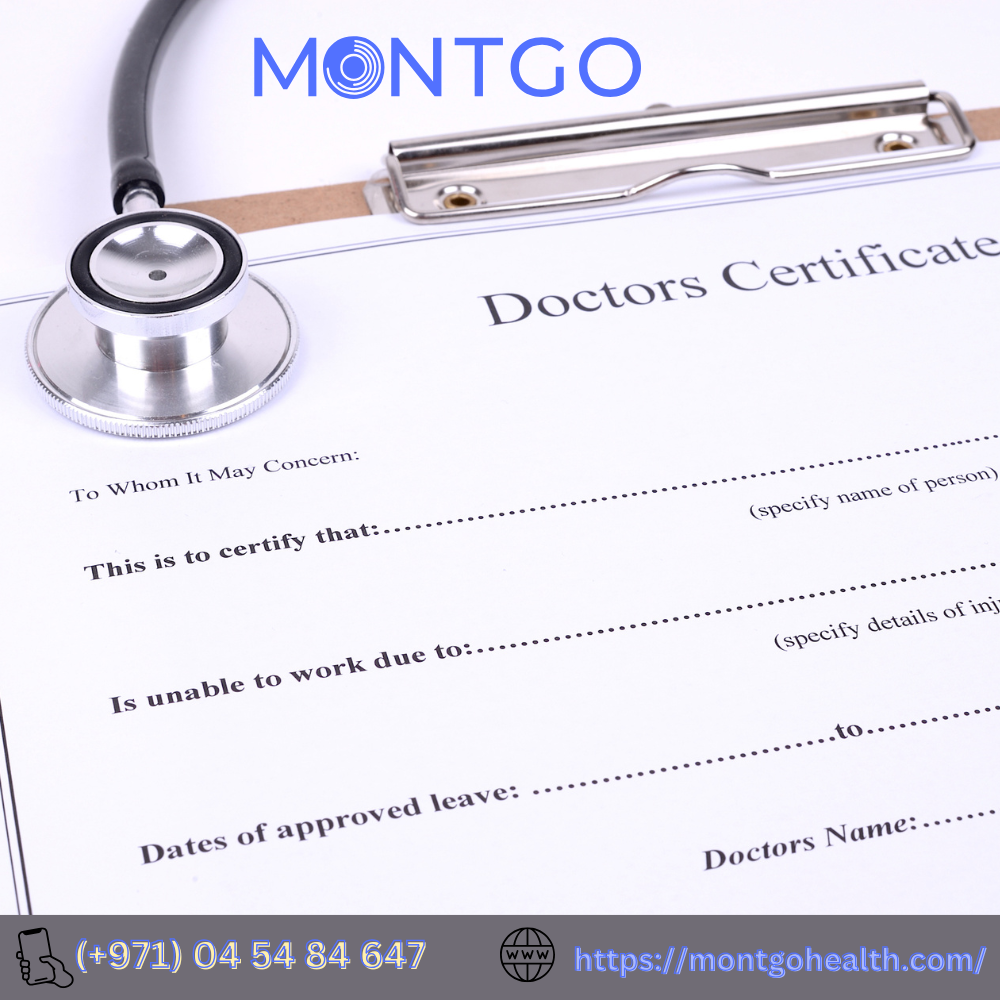
    What Does a Doctor Certificate Mean for Your Health?

    In today’s world, health is of paramount importance, and when it comes to seeking medical care, the first thing most people look for is the credibility and qualifications of their healthcare provider. A doctor certificate is one of the most significant pieces of evidence that demonstrates a medical professional’s competence, legitimacy, and ability to provide the care you need. But what does a doctor certificate actually mean for your health, and why should you prioritize checking it? In this blog, we will explore the meaning and importance of a doctor certificate, how it relates to patient care, and why you should verify this important document before seeking medical attention.

    What is a Doctor Certificate?

    A doctor certificate is a formal document issued by a licensed medical professional that confirms the medical status of an individual. It usually includes information about a patient’s diagnosis, their current health condition, and the treatment they are undergoing or have received. There are several types of doctor certificates, including:

    • Medical Certificates for Sick Leave: Issued when a person needs to take time off work due to illness.
    • Fitness Certificates: These confirm that an individual is fit for a specific activity or job (such as returning to work after an illness or participating in sports).
    • Health Certificates for Travel or Employment: These are often required for individuals who need to prove their health status for work, travel, or visa applications.
    • Disability Certificates: Issued to individuals with disabilities to confirm their health status for eligibility for various government benefits and support services.

    A doctor certificate is essentially a verification of an individual’s health condition, written by a qualified healthcare professional, to authenticate the medical reasoning behind the issued certificate.

    Why Is a Doctor Certificate Important for Your Health?

    1. Confirms Medical Validity

    One of the most important functions of a doctor certificate is to confirm that the medical advice or diagnosis given is valid and supported by professional expertise. By receiving a doctor certificate, you are assured that your condition or treatment plan is being recognized by a legitimate medical authority. This can be especially crucial when dealing with work or legal matters that require official documentation of health conditions.

    • Validation of Medical Claims: For employers or institutions requiring proof of illness or injury, the doctor certificate provides a formal declaration that supports your claim. This is particularly helpful when applying for medical leave, insurance claims, or other health-related benefits.
    • Medical Confirmation for Treatments: If you’re undergoing a specific treatment or taking medications, the doctor certificate can validate that the treatment prescribed is necessary and part of an appropriate treatment plan.

    2. Helps Ensure Proper Health Management

    When it comes to health, having accurate documentation of your condition is crucial for proper management and follow-up care. A doctor certificate is more than just a note for work or school; it can serve as an important part of your overall health management strategy. The certificate outlines your medical condition, treatment plan, and any instructions that may need to be followed for recovery or ongoing treatment.

    • Track Treatment Progress: A doctor certificate can provide clear information about your health progress, indicating whether your current treatment is working or if adjustments are necessary.
    • Avoid Unnecessary Treatments: With a certificate documenting your condition, you reduce the chances of unnecessary tests or treatments, as healthcare providers can refer to the documented diagnosis for decision-making.

    3. Protects Your Rights and Provides Legal Protection

    Doctor certificates often have legal implications. They are sometimes required to ensure that you receive the necessary benefits, rights, and protections. For instance, when you are too ill to work or need to apply for disability benefits, a doctor certificate can provide the necessary evidence to protect your rights.

    • Workplace Protections: A doctor certificate can help you prove your illness or injury to your employer, ensuring that you receive the sick leave or accommodations to which you are entitled.
    • Insurance Claims: Insurance companies often require medical certificates when processing claims for medical treatment or disability benefits. Having the right documentation can ensure that your claim is processed swiftly and correctly.

    In the event of a legal dispute, such as a workplace injury or a health-related lawsuit, a doctor certificate can serve as important evidence of your medical condition and its impact on your daily life.

    4. Ensures Trustworthy Healthcare

    A doctor certificate also plays an essential role in helping individuals establish trust in their healthcare provider. When a doctor issues a certificate, it serves as confirmation that they have assessed and diagnosed the patient thoroughly. This certificate is a reflection of the doctor’s professional competence, and it adds an extra layer of accountability to the medical care you receive.

    • Confidence in Healthcare Providers: When you receive a doctor certificate, you know that your healthcare provider has officially recognized your medical needs and is providing a legitimate treatment plan. This creates a sense of trust and reassurance for patients.
    • Professional Standards: A doctor certificate is an official document backed by medical ethics and professional standards. It ensures that the healthcare provider has completed the necessary evaluations and diagnostics before providing a health status.

    5. Enables Access to Special Accommodations

    Certain health conditions require specific accommodations, whether at work, school, or other places. A doctor certificate helps patients access necessary accommodations by providing a formal, professional statement of their health needs.

    • Workplace Accommodations: If you have a medical condition that requires modifications in your work environment, such as longer breaks or specific duties, a doctor certificate can provide the documentation needed to receive those accommodations.
    • Educational Support: Students with chronic health conditions, for example, can benefit from educational accommodations by providing a doctor certificate to ensure they receive the necessary adjustments for a productive learning environment.

    In these situations, the doctor certificate acts as an official document that facilitates the proper care and support you need to live a healthy and balanced life.

    How Can a Doctor Certificate Impact Your Health Long-Term?

    A doctor certificate has lasting effects on your health as it serves as a formal record of your medical history and current health status. These certificates help you keep track of your progress and assist your healthcare providers in providing continuous care. By maintaining accurate health records through doctor certificates, you ensure that all your medical treatments are coordinated and up to date.

    • Long-Term Health Tracking: Over time, doctor certificates can create a comprehensive health record that helps doctors make informed decisions about your health management. For individuals with chronic conditions or ongoing treatment, this documentation is vital for long-term care.
    • Continuous Care Across Providers: When you visit new healthcare providers, a doctor certificate can be shared to ensure that they have accurate information about your medical history, which is essential for providing consistent and effective care.

    What Should You Check for in a Doctor Certificate?

    When receiving a doctor certificate, there are several key aspects to verify to ensure its authenticity and accuracy:

    • Doctor’s Credentials: Ensure that the doctor issuing the certificate is licensed and qualified to provide medical care.
    • Clear Diagnosis and Treatment Plan: The certificate should clearly outline your medical condition and any prescribed treatments or instructions.
    • Date and Signature: A valid doctor certificate should be signed and dated by the doctor, confirming the authenticity of the document.
    • Official Letterhead: The certificate should be on the healthcare provider’s official letterhead, showing the institution’s details and contact information.

    Conclusion

    A doctor certificate is more than just a piece of paper—it is a crucial document that helps safeguard your health, ensures proper medical care, and protects your rights. Whether you are managing a chronic condition, taking sick leave from work, or seeking health-related accommodations, a doctor certificate is an essential tool in navigating healthcare and life’s challenges.

    Ultimately, a doctor certificate serves as proof that your health is being taken seriously, and that professional, ethical care is being provided. Always ensure that your certificate is accurate, reliable, and issued by a licensed medical professional, as it plays an integral role in your long-term health journey.


    Frequently Ask Questions

    Q. How do I get a medical certificate in Dubai?

    A. To get a medical certificate in Dubai, visit a licensed healthcare provider who will assess your health and issue the certificate based on their evaluation.

    Q. How to get a doctor’s license in Dubai?

    A. To get a doctor’s license in Dubai, you must pass the Dubai Health Authority (DHA) exam, submit the necessary documents, and meet the eligibility criteria for the specialty.

    Q. How to download UAE medical certificate?

    A. You can download a UAE medical certificate by visiting the official website of the healthcare provider or using the Dubai Health Authority (DHA) portal if it’s issued online.

    Q. Can a doctor work in Dubai without DHA license?

    A. No, a doctor cannot legally work in Dubai without a DHA license. Practicing without a valid license is against the law and can lead to serious consequences.

    Q. What documents are required for medical in Dubai?

    A. Documents required for a medical in Dubai typically include a valid passport, Emirates ID, proof of residence, and any medical history or vaccination records as requested by the clinic.

    Q. Is a medical certificate required for Dubai visa?

    A. Yes, a medical certificate is required for a Dubai visa, especially for employment visas, to confirm that the applicant is free from contagious diseases like tuberculosis.

  • How to Obtain a Medical Certificate: Requirements and Process

    How to Obtain a Medical Certificate: Requirements and Process

    A medical certificate is an official document issued by a qualified healthcare professional that certifies an individual’s health status, confirming their fitness to perform certain tasks or their inability to do so due to illness or injury. Whether you’re applying for a job, need a fitness certificate for sports activities, or require a sick leave certificate for your employer, obtaining a medical certificate in Dubai is a straightforward process.

    In this blog, we will guide you through the requirements, process, and steps for obtaining a medical certificate in Dubai, as well as its importance and use.

    What is a Medical Certificate?

    A medical certificate is a written statement from a doctor that outlines an individual’s health condition and their ability to work, study, or engage in daily activities. The document is often required in various situations, such as:

    • Employment: When applying for a job or taking sick leave.
    • Sports and Fitness: To prove that an individual is fit for physical activities, including sports events or physical exams.
    • Travel: Some countries require medical certificates for visa applications, especially for health-related entry requirements.
    • Insurance Claims: It can be used to support claims for health-related insurance benefits.
    • Legal and Personal Matters: To verify someone’s health condition for personal or legal purposes.

    The contents of a medical certificate typically include the patient’s diagnosis, the period of illness, and a recommendation about their fitness for specific activities.

    Why Do You Need a Medical Certificate?

    In Dubai, medical certificates are often needed for the following purposes:

    1. Employment-related: Employers may request a medical certificate when you take sick leave, apply for a job, or are undergoing a health screening as part of the hiring process.
    2. Sick Leave: If you’re unable to attend work due to illness, a medical certificate from a licensed physician helps you take sick leave while ensuring your absence is justified.
    3. Fitness for Work or Travel: Certain jobs, especially those involving heavy lifting, driving, or working in hazardous environments, may require a certificate proving that you are fit for the tasks. Similarly, travel and immigration regulations may demand a health certificate.
    4. Health Insurance: In certain situations, health insurance providers may ask for a medical certificate as part of the claim process, particularly when related to long-term illnesses or disability claims.

    Requirements for Obtaining a Medical Certificate in Dubai

    To obtain a medical certificate in Dubai, there are certain requirements and conditions to meet. The following are the key factors to consider:

    1. Choose the Right Healthcare Provider

    The medical certificate must be issued by a licensed healthcare provider. You can obtain it from public hospitals, private clinics, or any registered doctor in Dubai. Doctors working in government hospitals, private hospitals, or clinics licensed by the Dubai Health Authority (DHA) are authorized to issue medical certificates.

    2. Consultation with a Doctor

    Before issuing a medical certificate, a doctor will typically perform an examination to assess your health. For sick leave or health-related matters, the doctor may perform tests, ask about your symptoms, and review your medical history. Based on the diagnosis, the doctor will determine the nature of your illness and the necessary treatment.

    3. Provide Relevant Medical Information

    When consulting with a doctor, make sure to provide all relevant information about your symptoms, medical history, and any ongoing treatments. Be transparent about your condition so the doctor can offer an accurate diagnosis and provide you with the appropriate certificate.

    4. Purpose of the Medical Certificate

    Be clear about the reason you need the certificate. Whether it’s for sick leave, travel purposes, or fitness, the doctor will tailor the medical certificate accordingly. If you need a fitness certificate for physical activities or a sports event, the doctor will evaluate your health status and issue a statement confirming your ability to participate.

    5. Documentation Requirements

    You may be asked to present identification documents such as your Emirates ID, passport, or medical history if relevant. These documents help the doctor verify your identity and provide accurate medical information.

    6. Fee for the Medical Certificate

    There may be a fee associated with the issuance of a medical certificate, depending on the healthcare provider. Typically, the cost of the consultation (and certificate issuance) is included in the doctor’s consultation fee, though additional charges may apply for tests or examinations.

    7. Language and Format of the Certificate

    A medical certificate in Dubai is generally issued in English and Arabic. If you need it in a specific language, ensure that your doctor or clinic can provide a translation. The certificate should include details such as:

    • Your full name
    • The diagnosis or health condition
    • The date of issuance
    • The duration of illness or recommended rest period
    • The doctor’s signature and contact information

    Process of Obtaining a Medical Certificate in Dubai

    The process of obtaining a medical certificate in Dubai is fairly straightforward and can be broken down into the following steps:

    Step 1: Visit a Licensed Healthcare Provider

    The first step is to book an appointment with a qualified healthcare provider. You can visit a public or private hospital or clinic that is licensed by the Dubai Health Authority (DHA). If you are unable to visit a doctor in person, many clinics offer online consultations through telemedicine services.

    Step 2: Consult the Doctor

    During the consultation, explain your symptoms or reason for seeking a medical certificate. The doctor will assess your condition and may perform physical exams, laboratory tests, or imaging, if needed. For a fitness certificate, the doctor will examine your health and may require you to undergo certain tests.

    Step 3: Diagnosis and Treatment Plan

    Based on the examination, the doctor will provide a diagnosis and a treatment plan. If you need a sick leave certificate, the doctor will indicate the number of days you should rest or refrain from work. If you need a fitness certificate for a sport, the doctor will assess your physical condition and issue the certificate accordingly.

    Step 4: Receive the Medical Certificate

    Once the examination is complete and the doctor has issued the certificate, you will receive it in writing. Some healthcare providers may give you a hard copy of the certificate, while others may offer an electronic version that you can print or share digitally.

    Step 5: Submit the Certificate

    You can then submit the medical certificate to your employer, school, sports association, or relevant authority based on the purpose for which it was issued.

    Types of Medical Certificates in Dubai

    1. Sick Leave Certificate

    This is one of the most common types of medical certificates issued. It confirms that an individual is unfit to work due to illness or injury. It typically includes the start and end date of the sick leave.

    2. Fitness Certificate

    A fitness certificate is often required for individuals participating in sports activities, especially for school children, athletes, or those taking up certain job roles. It ensures that the person is physically capable of handling physical exertion or labor.

    3. Pre-employment Health Certificate

    When applying for a job in Dubai, employers may require a pre-employment health checkup, which includes a medical certificate confirming that the individual is fit to work.

    4. Travel Health Certificate

    This certificate may be required for visa or immigration purposes, ensuring that the individual does not have any communicable diseases that might pose a risk to others.

    Common Uses for a Medical Certificate in Dubai

    • Work and Employment: To justify absence from work due to illness or injury.
    • Sports and Fitness: To prove physical fitness for a sporting event or activity.
    • Travel: For visa applications and travel clearances.
    • Insurance Claims: To provide evidence for claims related to health issues.
    • Educational Purposes: Schools or universities may require a medical certificate to justify absence due to illness.

    Conclusion

    Obtaining a medical certificate in Dubai is a simple and necessary process that requires visiting a licensed healthcare provider and undergoing an examination. Whether you need it for work, travel, or sports, a medical certificate is an essential document to verify your health status. By understanding the requirements and process, you can easily navigate the system and ensure that you meet any necessary health requirements in Dubai. Always ensure you visit a registered healthcare provider to ensure your certificate is legally recognized.


    Frequently Ask Questions

    Q. How can I get a medical certificate in the UAE?

    A. To get a medical certificate in the UAE, visit a licensed healthcare provider or clinic. After an examination, the doctor will issue the certificate based on your health condition.

    Q. What is the medical requirement in UAE?

    A. The medical requirements in the UAE often include a health checkup for residency and employment, including tests for infectious diseases like tuberculosis and HIV.

    Q. Is a medical certificate required for sick leave in the UAE?

    A. Yes, in the UAE, a medical certificate is required for sick leave. Employees must present it to their employer to justify their absence due to illness.

    Q. Is a medical certificate required for a UAE visa?

    A. Yes, a medical certificate is required for most visa types in the UAE, especially for residency or employment visas. It includes tests for specific diseases such as tuberculosis and HIV.

    Q. What happens if you fail the UAE medical?

    A. If you fail the UAE medical, you may not be issued a residency or employment visa. You might need to undergo further treatment or provide medical clearance to pass.

    Q. Which diseases are not allowed in the UAE?

    A. The UAE has a list of communicable diseases, including HIV, tuberculosis, and leprosy, which can prevent individuals from obtaining a residency visa or employment visa.

  • Understanding a Physicians License: Everything You Need to Know

    Understanding a Physicians License: Everything You Need to Know

    A physicians license is a fundamental requirement for medical professionals to practice legally and ethically. This credential signifies that a doctor has met the necessary educational, training, and examination standards. Understanding the licensing process, its significance, and the potential implications of maintaining or losing it is essential for both medical professionals and patients.

    What Is a Physician’s License?

    A physicians license is a legal authorization issued by a medical board that permits a doctor to practice medicine within a specific jurisdiction. Each country—and in the United States, each state—has its own licensing authority responsible for regulating medical professionals. Without a valid license, a physician cannot legally diagnose or treat patients.

    The Importance of a Physician’s License

    A physician’s license serves several critical purposes:

    • Ensures Competency: It verifies that a doctor has completed the required education and training.
    • Protects Patients: Licensing ensures that only qualified individuals can practice medicine, reducing the risk of medical malpractice.
    • Regulates the Profession: Medical boards use licensing to monitor physicians’ adherence to professional and ethical standards.
    • Facilitates Specialization: Physicians often need additional licensing or certifications to specialize in certain medical fields.

    How to Obtain a Physician’s License

    The process of obtaining a physicians license is rigorous and involves multiple steps. Here’s a general overview:

    1. Education and Medical Degree

    A prospective physician must first complete a bachelor’s degree, typically with a focus on sciences such as biology or chemistry. This is followed by earning a Doctor of Medicine (MD) or Doctor of Osteopathic Medicine (DO) degree from an accredited medical school.

    2. Residency Training

    After medical school, graduates must complete a residency program in their chosen specialty. Residency training can last between three and seven years, depending on the field.

    3. Medical Licensing Exams

    Physicians must pass a series of exams to demonstrate their medical knowledge and competency. In the U.S., these include:

    • United States Medical Licensing Examination (USMLE) for MDs.
    • Comprehensive Osteopathic Medical Licensing Examination (COMLEX-USA) for DOs.

    These exams assess a physician’s ability to apply medical knowledge, skills, and patient care principles in real-world scenarios.

    4. Applying for a License

    After passing the required exams, physicians apply for a license in the state or country where they wish to practice. Each state’s medical board has specific requirements, including background checks, proof of education, and application fees.

    Maintaining a Physician’s License

    Once a physician has obtained their license, maintaining it is just as important. Most medical boards require:

    • Continuing Medical Education (CME): Physicians must regularly complete CME courses to stay updated on medical advancements.
    • License Renewal: Medical licenses must be renewed periodically, often every 1–3 years, depending on the jurisdiction.
    • Adherence to Ethical Standards: Violations of medical ethics or malpractice can result in disciplinary actions, including suspension or revocation of a license.

    Reasons a Physician’s License Can Be Revoked or Suspended

    A physician’s license is not permanent and can be revoked or suspended for various reasons, including:

    • Medical Malpractice: Repeated incidents of negligence or errors in patient care.
    • Substance Abuse: Physicians found to be impaired due to drug or alcohol addiction may face disciplinary action.
    • Criminal Activity: Fraud, sexual misconduct, or other serious offenses can lead to license suspension or revocation.
    • Failure to Meet CME Requirements: Neglecting continuing education obligations can result in disciplinary measures.

    Physician Licensing Across Different Countries

    Different countries have unique licensing requirements for physicians. Here are a few examples:

    • United States: Licensing is regulated by individual state medical boards, and physicians must pass the USMLE or COMLEX-USA.
    • United Kingdom: Doctors must be registered with the General Medical Council (GMC) and pass the Professional and Linguistic Assessments Board (PLAB) test if they trained outside the UK.
    • Canada: Physicians need to pass the Medical Council of Canada Qualifying Examination (MCCQE) and obtain a license from the appropriate provincial medical board.
    • Australia: The Medical Board of Australia oversees licensing, and international medical graduates must complete the Australian Medical Council (AMC) exams.

    How Patients Can Verify a Physician’s License

    Patients have the right to verify a doctor’s credentials before seeking medical care. In many countries, medical boards offer online databases where patients can check a physician’s licensing status. In the U.S., for instance, the Federation of State Medical Boards (FSMB) provides a lookup tool to verify a doctor’s credentials.

    Conclusion

    A physician’s license is the cornerstone of a medical professional’s career, ensuring they are competent, ethical, and legally permitted to practice medicine. For aspiring doctors, understanding the licensing process is crucial to achieving their goals. For patients, verifying a physician’s license provides peace of mind and assurance of quality care. By upholding licensing standards, medical boards protect the integrity of the profession and the safety of the public.  For Details Visit Our Website Montgo Health.


    Frequently Ask questions

    Q. Can foreign doctors work in the UAE?

    A. Yes, foreign doctors can work in the UAE, but they must obtain a medical license from the relevant authority, such as DHA, HAAD, or MOH, depending on the emirate they wish to practice in. They must also meet specific educational, experience, and examination requirements.

    Q. How can I get a PE license in UAE?

    A. To obtain a Professional Engineer (PE) license in the UAE, you must hold an accredited engineering degree, gain relevant work experience, and pass the necessary exams set by authorities like the Dubai Municipality or the Society of Engineers UAE. Additional requirements may vary by emirate.

    Q. How to become a specialist doctor in UAE?

    A. To become a specialist doctor in the UAE, you need a recognized postgraduate qualification, relevant work experience, and a medical license from DHA, HAAD, or MOH. You may also need to pass a qualifying exam depending on your credentials and the specialty.

    Q. Can a doctor work in the UAE without a license?

    A. No, doctors cannot legally work in the UAE without a medical license from the relevant health authority. Practicing without a valid license can lead to penalties, including fines and legal action.

    Q. Can I work in Dubai after PLAB 2?

    A. Passing PLAB 2 alone does not qualify you to work in Dubai; you still need to apply for a medical license from the Dubai Health Authority (DHA) or relevant regulatory body and meet their additional requirements.

    Q. Is MRCP accepted in the UAE?

    A. Yes, the MRCP (Membership of the Royal Colleges of Physicians) is recognized in the UAE and can help doctors qualify for specialist positions. However, licensing requirements still apply, and you may need to pass further assessments.