Montgo Health Systems

Author: Montgo Health Systems

  • How Do You Apply for the Abu Dhabi Exam for Healthcare Jobs?

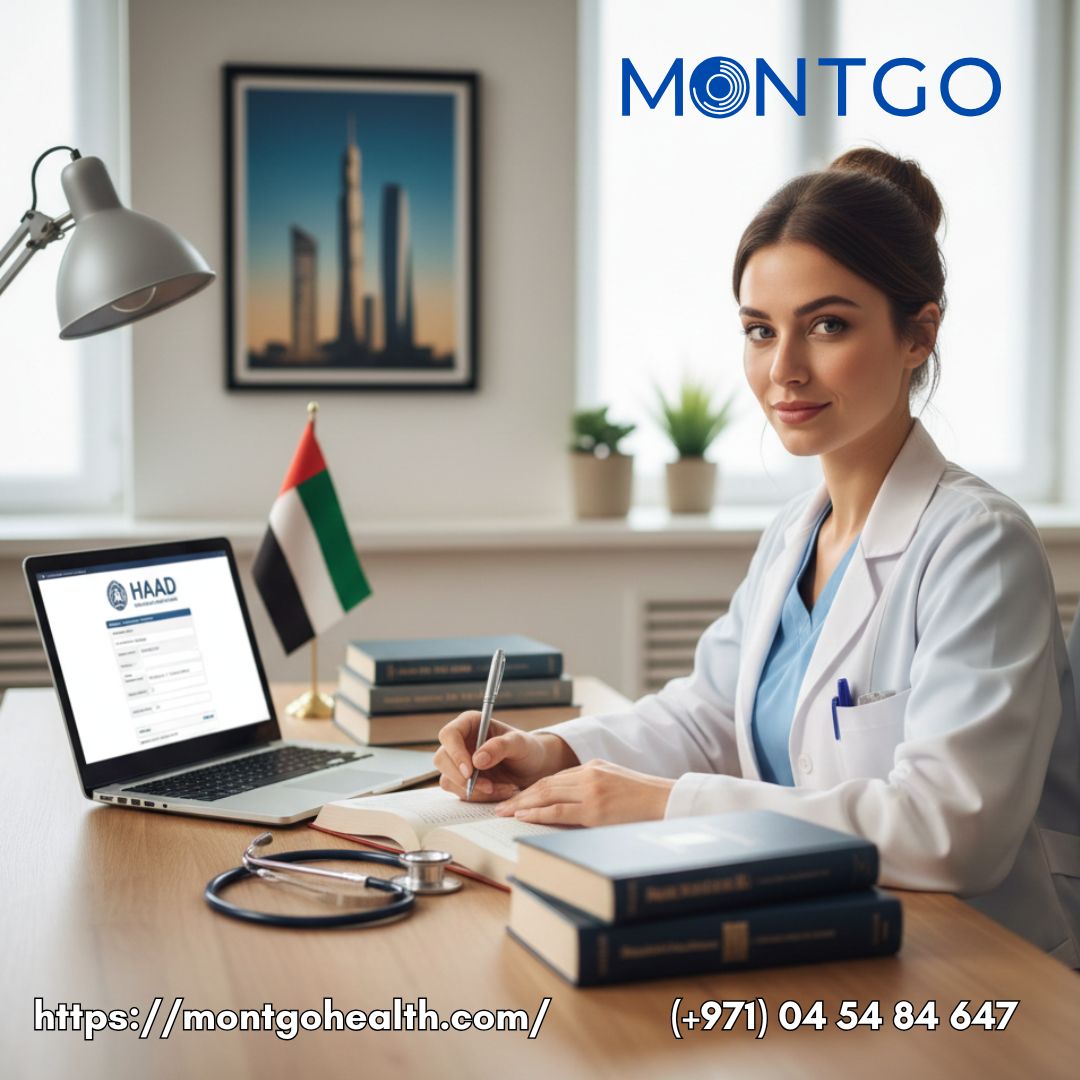
    How Do You Apply for the Abu Dhabi Exam for Healthcare Jobs?

    If you want to work in healthcare in Abu Dhabi, passing the Abu Dhabi Healthcare Licensing Exam is a must. This exam ensures that healthcare professionals meet the required standards and can provide safe and effective care. Here’s a simple guide on how to apply:

    1. Check Your Eligibility

    Make sure you fulfill the prerequisites before you begin: 

    • You should have a degree or diploma in your healthcare field (like medicine, nursing, or pharmacy).
    • Depending on the position you’re looking for, you must have suitable work experience.
    • You must have your documents, such as your degree certificate, transcript, and professional license (if applicable).

    2. Create an Account on HAAD/SEHA Website

    Abu Dhabi healthcare exams are usually managed by the Department of Health – Abu Dhabi (DOH) or SEHA.

    • Visit their official website.

    • Create an account by entering your personal information, contact details, and professional qualifications.

    3. Submit Your Documents

    Once your account has been created, you must upload crucial documents like: 

    • Degree or diploma certificate

    • Transcript of records

    • Passport copy

    • Work experience certificates

    • Professional license (if you already have one)

    Verify the validity and clarity of all your documents.

    4. Apply for the Exam

    Following the setup of your account and the verification of your papers, you can: 

    • Choose the exam you wish to take and your career.

    • Choose a suitable exam date and location (online options may be available for some professions).

    • Pay the exam fee online.

    5. Prepare for the Exam

    After applying, start preparing for your exam. There are guides and practice questions available online. Make sure you research the most recent guidelines and practices for your line of work.

    6. Take the Exam

    On the day of the exam:

    • Arrive early at the exam center (or log in if it’s online).

    • Bring your ID and any required documents.

    • Follow all instructions carefully.

    7. Receive Your Results

    Once you pass the exam, you’ll get your license to work in Abu Dhabi. Applying for jobs in the city’s hospitals, clinics, and other healthcare facilities is now open.

    How much does the exam cost?

    The cost of the healthcare licensing exam in Abu Dhabi depends on your profession (doctor, nurse, pharmacist, allied health, etc.) and the type of exam you take:

    • Physicians and dentists: Depending on the profession, the exam itself often costs between AED 1,000 and AED 2,500 or more. 
    • Nurses & Pharmacists: Usually around AED 700 to AED 1,100 for the exam.
    • Allied Health Professionals: Can range from AED 700 to AED 1,500.

    Can I choose the exam date and location?

    Yes! You can usually choose your exam date and location for the Abu Dhabi Healthcare Exam, but it depends on your profession and availability:

    • After your application is approved by the Department of Health (DOH) or SEHA, you will be able to see available exam dates.

    • You can select a date that works best for you.

    • You can also choose an exam center location in Abu Dhabi, or in some cases, other approved locations.

    • Some professions may also have online exam options, but this depends on the specific healthcare category.

    How will I get my results?

    After taking the Abu Dhabi Healthcare Exam, here’s how you will get your results:

    • Online Account: Your results are usually available through your DOH/SEHA online account.

    • Notification: You may also receive an email notification when your results are released.

    • Timeframe: Results are typically available within a few days to a few weeks after the exam, depending on the profession and exam type.

    • Passing: Once you pass, your professional license will be issued, allowing you to work in healthcare in Abu Dhabi.

    Conclusion

    Applying for the Abu Dhabi Healthcare Exam may seem a bit overwhelming at first, but if you follow the steps carefully, it becomes much easier. Verify your eligibility first, then have your paperwork ready, apply, and prepare for the test. Passing it opens the door to exciting healthcare opportunities in Abu Dhabi, letting you grow your career in a professional and rewarding environment. Remember, preparation and attention to detail are the keys to success.




    Faqs

    1. What is the HAAD exam?
      The HAAD exam is the licensing test by the Health Authority Abu Dhabi for healthcare professionals to practice legally in Abu Dhabi.

    2. Who needs to take the HAAD exam?
      Doctors, nurses, and allied health professionals aiming to work in Abu Dhabi must pass the HAAD exam.

    3. What are the eligibility requirements for the HAAD exam?
      Eligibility depends on your profession, qualifications, and credentials approved by the Health Authority Abu Dhabi.

    4. What is the format of the HAAD exam?
      It includes multiple-choice questions on clinical knowledge, professional practice, and Abu Dhabi healthcare regulations.

    5. How can I prepare for the HAAD exam?
      Study official HAAD guides, practice sample questions, take prep courses, and review clinical scenarios.

    6. What happens after passing the HAAD exam?
      Successful candidates receive HAAD licensure, allowing them to legally work as healthcare professionals in Abu Dhabi.

  • What Makes a Successful Healthcare Company in Dubai?

    What Makes a Successful Healthcare Company in Dubai?

    Dubai has grown into a global hub for business, tourism, and healthcare. People from around the world come here seeking high-quality medical care. But what exactly makes a healthcare company in Dubai stand out and succeed? Let’s break it down in easy words.

    1. Quality Patient Care
      The most important thing for any healthcare company is patient care. Success comes when patients feel safe, heard, and cared for. This means friendly staff, skilled doctors, and timely treatments. Happy patients are more likely to return and recommend the service to others.
    2. Experienced Medical Team
      A strong team of doctors, nurses, and specialists is key. Dubai attracts talented medical professionals from all over the world. Healthcare companies that hire experienced and certified staff often gain trust faster and build a strong reputation.
    1. Modern Technology
      In today’s world, technology matters a lot. From advanced diagnostic machines to digital patient records, using the latest tools makes treatment faster, accurate, and safer. Patients also expect online appointment booking, telemedicine, and fast test results.

    2. Regulatory Compliance
      Dubai has strict healthcare regulations to ensure patient safety. Successful healthcare companies always follow local laws, licensing rules, and quality standards. This not only avoids fines but also builds credibility among patients and investors.

    3. Strong Marketing & Reputation
      Even the best hospital or clinic needs people to know about it. Using social media, local advertising, and word-of-mouth marketing helps attract patients. A good reputation online and offline is essential for growth.

    4. Focus on Customer Experience
      From the moment a patient calls for an appointment to post-treatment care, every step matters. Friendly staff, clean facilities, clear communication, and follow-ups make patients feel valued. Companies that focus on this often see higher patient satisfaction.

    5. Affordable & Transparent Pricing
      Healthcare in Dubai can be expensive. Successful companies make their pricing clear and fair. Patients appreciate transparency and feel more comfortable choosing services they understand.

    6. Innovation & Continuous Improvement
      Healthcare is always evolving. Companies that keep learning, adopt new treatments, and improve their services stay ahead of competitors. Innovation can be in technology, patient care, or hospital management.

    Do experienced doctors really make a difference?

    Yes, experienced doctors really make a difference. Here’s why:

    • Expertise from practice – They’ve handled many cases, so they know what works best.

    • Fewer mistakes – Experience helps them avoid common errors during diagnosis or treatment.

    • Faster and efficient care – Procedures are usually quicker because they are practiced.

    • Better patient management – They can handle complications, pain, and anxiety more smoothly.

    • Reliable guidance – They give trustworthy advice for long-term health.

    How important is technology in healthcare?

    Technology is very important in healthcare because it improves the quality, speed, and safety of medical services. Here’s why:

    • Accurate Diagnosis – Advanced machines and tests help doctors detect problems early.

    • Effective Treatment – Modern equipment and procedures make treatments more precise and less invasive.

    • Better Patient Records – Digital records make it easier to track patient history and avoid errors.

    • Remote Care – Telemedicine allows patients to consult doctors from anywhere.

    • Efficiency – Technology speeds up appointments, lab tests, and hospital management.

    • Innovation – New treatments and tools are developed faster with advanced technology.

    In short, technology makes healthcare safer, faster, and more accessible for everyone.

    Is pricing important for success?

    Pricing plays a crucial role in the success of a healthcare company. Fair and transparent pricing makes services more affordable and accessible to patients, which helps build trust and a positive reputation. Reasonable prices can also give a clinic a competitive edge, attracting and retaining more patients in a crowded market. At the same time, pricing must be balanced to ensure the business can cover costs while maintaining high-quality care. When patients feel they are receiving good value for their money, they are more likely to return and recommend the clinic to others, contributing to long-term success.

    Conclusion

    A successful healthcare company in Dubai is more than just doctors and equipment. It’s about care, trust, technology, and continuous improvement. Companies that focus on patients, hire skilled staff, follow rules, and innovate are the ones that truly thrive. Contact Us


    Frequently Ask Questions

    • What services do you offer?
      We provide a wide range of healthcare services including primary care, specialty treatments, preventive care, and wellness programs.

    • How can I schedule an appointment?
      Appointments can be scheduled online through our website, via our mobile app, or by calling our patient services team.

    • Do you accept insurance?
      Yes, we accept most major insurance providers. Please contact our billing department to confirm your coverage.

    • What should I bring to my first visit?
      Please bring a valid ID, your insurance card, and any relevant medical records or medications.

    • How do you ensure patient privacy?
      We follow strict privacy protocols and comply with all HIPAA regulations to protect your personal and medical information.

    • Can I access my medical records online?
      Yes, patients can securely access their medical records, test results, and visit summaries through our patient portal.

  • What Consulting Services Do Businesses Need Most Today?

    What Consulting Services Do Businesses Need Most Today?

    In today’s fast-paced business world, companies face challenges that are more complex than ever before. Technology evolves at lightning speed, consumer behavior shifts rapidly, and global markets remain unpredictable. For many businesses, navigating this landscape alone can be overwhelming. That’s where consulting services come in—experts who bring outside perspective, specialized knowledge, and actionable strategies to help companies thrive. But which consulting services are most in demand today? Let’s break it down.

    1. Digital Transformation and Technology Consulting

    One of the biggest priorities for businesses today is digital transformation. Companies are under pressure to modernize systems, integrate new technologies, and leverage data for smarter decision-making. Technology consulting helps organizations identify the right tools, implement them effectively, and ensure that staff can use them to their full potential.

    This type of consulting often covers cloud migration, software integration, cybersecurity, and AI adoption. Businesses not only want to implement new technologies but also need guidance on how these tools can improve efficiency, customer experience, and competitiveness.

    2. Strategy and Management Consulting

    Strategy remains at the heart of business success. Management consultants help companies define their long-term vision, identify opportunities for growth, and optimize operations. They bring a structured approach to problem-solving and help executives make decisions that align with overall objectives.

    Whether a company is looking to expand into new markets, restructure operations, or evaluate mergers and acquisitions, strategic consulting provides the insights and frameworks necessary to move forward confidently.

    3. Marketing and Brand Consulting

    With the rise of social media, e-commerce, and digital advertising, marketing has become more complex than ever. Businesses are no longer just selling products; they’re building relationships with customers. Marketing and brand consultants help organizations develop strategies to reach the right audiences, differentiate themselves from competitors, and build lasting brand loyalty.

    This includes everything from market research and customer experience analysis to content strategy and campaign optimization. Companies increasingly recognize that effective marketing requires both creativity and data-driven decision-making—something consultants are well-equipped to provide.

    4. Human Resources and Talent Management Consulting

    People remain a company’s most valuable asset, yet managing talent effectively is often a challenge. HR and talent management consulting addresses recruitment, retention, employee engagement, and organizational culture. Consultants help businesses design incentive programs, improve workplace policies, and build high-performing teams.

    In the current environment, many organizations are also focused on diversity, equity, and inclusion initiatives. Expert guidance ensures these efforts are meaningful, sustainable, and aligned with broader business goals.

    5. Financial and Risk Consulting

    Financial stability is critical, particularly in uncertain economic conditions. Financial consultants help businesses with budgeting, forecasting, and capital management. They can also guide companies through risk assessment, compliance, and regulatory challenges.

    Risk management consulting has grown in importance, as companies navigate global supply chain disruptions, cybersecurity threats, and fluctuating markets. Having a clear financial strategy and risk mitigation plan is no longer optional—it’s essential for survival and growth.

    6. Sustainability and ESG Consulting

    Environmental, social, and governance (ESG) considerations are increasingly shaping business decisions. Investors, customers, and employees are demanding that companies act responsibly. Sustainability consulting helps businesses measure their impact, develop environmentally friendly practices, and create social responsibility programs that resonate with stakeholders.

    This type of consulting is more than a trend; it reflects a shift in the way companies define success. Businesses that proactively embrace sustainability often gain a competitive edge, attract better talent, and improve public perception.

    7. Operations and Process Improvement Consulting

    Efficiency is always a priority. Operations consultants analyze workflows, supply chains, and internal processes to identify inefficiencies and recommend improvements. Their work often results in cost savings, faster production cycles, and better resource allocation.

    For companies struggling with bottlenecks or scaling challenges, operations consulting can make the difference between stagnation and sustainable growth. By streamlining processes, businesses can free up resources to focus on innovation and customer service.

    Why Businesses Choose Consultants Today

    Businesses hire consultants for several reasons, but the common thread is expertise and objectivity. Consultants bring a fresh perspective that internal teams may lack. They combine specialized knowledge with industry experience to solve problems more quickly and efficiently.

    In addition, consultants provide flexibility. Companies can access high-level expertise without the long-term commitment of hiring full-time staff. This is particularly valuable in an era where agility and adaptability are key to staying competitive.

    Looking Ahead

    The demand for consulting services is likely to continue growing as businesses face an ever-changing landscape. Digital transformation, sustainability, talent management, and strategic growth will remain top priorities. Successful companies will be those that recognize when to seek outside expertise and how to integrate it effectively.

    Consulting is not just about solving problems—it’s about creating opportunities. The right consultant can help a company identify new revenue streams, streamline operations, strengthen its brand, and build a culture of innovation. In short, consultants help businesses navigate today’s complexity while preparing for tomorrow’s challenges.

    Conclusion

    The modern business environment is challenging, but the right guidance can make all the difference. Whether it’s technology, strategy, marketing, HR, finance, or sustainability, consulting services provide the expertise companies need to stay ahead. As organizations continue to adapt to changing markets, the role of consultants will only become more crucial. Investing in the right consulting partnership can be the catalyst for growth, efficiency, and long-term success.


    Faqs

    • What are consulting services?
      Consulting services provide expert advice to help businesses solve problems, improve performance, and achieve growth.

    • Why do businesses need consultants?
      Consultants offer specialized knowledge, objective insights, and strategies that internal teams may lack.

    • Which industries use consulting services most?
      Almost all industries benefit, including technology, finance, healthcare, manufacturing, retail, and startups.

    • How do consultants help with digital transformation?
      They guide technology adoption, system integration, data management, and workflow optimization for efficiency.

    • What is the cost of hiring a consultant?
      Costs vary based on expertise, scope, and project length, ranging from hourly rates to fixed project fees.

    • Can small businesses benefit from consulting services?
      Yes, consultants help small businesses scale operations, improve marketing, manage finances, and plan growth effectively.

  • All About DHA Exam: What Should You Prepare for in Dubai?

    All About DHA Exam: What Should You Prepare for in Dubai?

    If you are planning to work in Dubai’s healthcare sector, you’ve probably heard about the DHA Exam. But what is it, and how can you prepare for it? Let’s break it down in simple words.

    What is the DHA Exam?

    The DHA Exam is a licensing test conducted by the Dubai Health Authority (DHA). It is required for doctors, nurses, pharmacists, and other healthcare professionals who want to work legally in Dubai. Passing this exam proves that you have the knowledge and skills to provide safe and effective healthcare.

    Who Needs to Take the DHA Exam?

    If you are a healthcare professional from outside the UAE, you will most likely need to take this exam. Some local graduates may also need it depending on their specialty. Different professions have different exams, so it’s important to check the specific requirements for your field.

    What Does the DHA Exam Test?

    The exam focuses on your professional knowledge and your ability to apply it in real-life situations. For example:

    • Doctors: Clinical knowledge, patient care, diagnosis, and treatment.

    • Nurses: Nursing practices, patient management, and clinical procedures.

    • Pharmacists: Drug knowledge, dispensing practices, and patient counseling.

    It may include multiple-choice questions (MCQs), case studies, or even practical tests depending on your profession.

    How to Prepare for the DHA Exam

    Here are some tips to help you get ready:

    1. Know the syllabus: Check the official DHA website for your exam syllabus. This will tell you exactly what topics to study.

    2. Study materials: Use recommended books, online courses, or practice questions. Many professionals also join DHA prep courses.

    3. Practice tests: Solve previous exam papers or mock tests to understand the exam pattern.

    4. Time management: During preparation and the actual exam, manage your time carefully to answer all questions.

    5. Stay updated: Healthcare guidelines and protocols change often. Make sure your knowledge is current.

    Tips on Exam Day

    • Arrive early and stay calm.

    • Read questions carefully before answering.

    • Focus on your strong areas first, then move to tricky questions.

    • Take short breaks if allowed, to avoid fatigue.

    What types of questions are in the exam?

    The DHA Exam usually includes different types of questions to test both your knowledge and practical skills. Here’s a simple breakdown:

    1. Multiple-Choice Questions (MCQs):

      • Most of the exam is made up of MCQs.

      • Each question has several options, and you pick the correct one.

      • They test your theoretical knowledge of medical or healthcare topics.

    2. Scenario-Based Questions / Case Studies:

      • These describe a patient situation or clinical scenario.

      • You have to decide the best course of action or the correct diagnosis.

      • They test your ability to apply knowledge in real-life situations.

    3. Practical / Skills Assessment (if applicable):

      • Some professions, like nurses, may have a practical component.

      • You may be asked to perform procedures or demonstrate clinical skills.

    4. True/False or Matching Questions (occasionally):

      • Some exams may include these to check understanding of concepts quickly.

    How long is the DHA Exam?

    The duration of the DHA Exam depends on your profession, but here’s a general idea:

    • Doctors: Usually 2–3 hours

    • Nurses: Around 2–3 hours

    • Pharmacists: Typically 2–3 hours

    • Other healthcare professionals: Can vary from 1.5 to 3 hours

    The exact time will be mentioned in your DHA exam confirmation or official guide. The exam usually includes breaks if it’s longer than 2 hours.

    Where can I find study materials?

    1. Official DHA Website: Exam guides, blueprints, and sample questions.

    2. Prep Books: Specialty-specific DHA practice books and MCQs.

    3. Online Courses: Video lessons, mock tests, and structured preparation.

    4. Question Banks & Mock Tests: Practice DHA-style questions to get used to the exam format.

    5. Study Groups: Facebook or WhatsApp groups for notes and tips (verify accuracy).

    6. Coaching Centers (Optional): In-person classes in Dubai for extra guidance.

    Conclusion

    Passing the DHA Exam is a crucial step if you want to build a career in Dubai’s healthcare sector. With proper preparation, dedication, and practice, you can confidently clear the exam and start your journey in one of the most exciting healthcare markets in the world.


    Faqs

    1. What is the DHA exam?
      The DHA exam is a licensing test required by the Dubai Health Authority for healthcare professionals to practice legally in Dubai.

    2. Who needs to take the DHA exam?
      Healthcare professionals including doctors, nurses, and allied health practitioners seeking to work in Dubai must pass the DHA exam.

    3. What are the eligibility requirements for the DHA exam?
      Eligibility depends on your profession, qualifications, experience, and credentials recognized by the DHA.

    4. What is the format of the DHA exam?
      The exam includes multiple-choice questions covering clinical knowledge, professional practice, and Dubai-specific healthcare regulations.

    5. How can I prepare for the DHA exam?
      Study official DHA guidelines, take practice tests, review clinical scenarios, and consider online or in-person preparatory courses.

    6. What happens after passing the DHA exam?
      After passing, candidates receive DHA licensure, allowing them to legally practice their healthcare profession in Dubai.

  • How Does the Dubai Health Licensing System Work for New Facilities?

    How Does the Dubai Health Licensing System Work for New Facilities?

    Opening a healthcare facility in Dubai whether it’s a clinic, pharmacy, dental centre, or hospital requires going through a proper licensing system. Dubai takes health standards seriously, so every facility must meet safety, quality, and professional rules.
    If you’re planning to start a new facility, here’s a simple breakdown of how the Dubai Health Licensing System works.

    1. Choose Your Facility Type

    The first step is deciding what type of healthcare facility you want to open, such as:

    • Clinic
    • Hospital
    • Pharmacy
    • Rehabilitation centre
    • Day surgery centre

    The requirements will change depending on the type.

    2. Create an Account on the Health Authority Portal

    In Dubai, healthcare licences are issued through:

    • DHA (Dubai Health Authority) – for facilities inside Dubai

    • DHCC (Dubai Healthcare City Authority) – for facilities inside Dubai Healthcare City free zone

    You must create an account on their online systems like Sheryan (DHA’s licensing portal).

    3. Submit an Initial Application

    You start by sending basic details:

    • Facility name
    • Facility type
    • Owner details
    • Location

    This step is for Initial Approval.
    If approved, you can move to the design stage.

    4. Get Your Facility Layout/Design Approved

    You must upload your floor plan, layout, and interior design for review.
    Dubai checks:

    • The size of rooms
    • Patient flow
    • Safety features
    • Emergency exits
    • Hygiene standards

    Once your design matches DHA rules, you get the Design Approval.

    5. Build and Set Up the Facility

    After the design is approved, you can start construction or interior setup.
    Make sure you follow:

    • Fire safety rules
    • Infection control standards
    • Equipment guidelines

    Dubai will inspect everything later.

    6. Apply for the Final Inspection

    Once your facility is ready, you book a site inspection.
    Inspectors check:

    • Rooms and layout
    • Equipment
    • Safety systems
    • Cleanliness and hygiene
    • Staff readiness

    If something is missing, they’ll tell you to fix it.

    7. Get the Final Facility License

    When everything looks perfect, you receive your official Healthcare Facility License.
    This allows you to officially start treating patients.

    8. Register Your Healthcare Professionals

    Every doctor, nurse, pharmacist, or technician in your facility needs a separate professional license from DHA or DHCC.
    You can link the staff members to your facility through the online portal.

    9. Renew Yearly and Follow the Rules

    Facility licenses are usually valid for one year, and you must renew them.
    Also, Dubai always updates healthcare rules, so facilities must:

    • Maintain high-quality care
    • Keep equipment safe
    • Follow patient privacy rules
    • Train staff

    How long does the licensing process take? 

    The licensing process in Dubai usually takes a few months, typically around 2 to 6 months, but it can vary depending on the type of facility and how quickly you complete each step. First, you get initial approval for your facility details, then design approval for the layout and safety standards. After setting up your facility according to the approved plan, a final inspection is done. If everything meets the rules, you get your official license. Delays can happen if documents are incomplete or if corrections are needed after inspections.

    Do I need special approvals for x-ray rooms or labs?

    Yes, if your facility plans to have x-ray rooms, imaging equipment, or medical labs, you need special approvals from the health authorities. These areas have extra safety rules because of radiation (for x-rays) and strict hygiene and equipment standards (for labs). Dubai Health Authority (DHA) or DHCC will check that your rooms are properly designed, the equipment is safe, and staff are trained to handle it correctly before allowing you to use them. This ensures both patients and staff stay safe while getting accurate results.

    Can I run the facility without the final license?

    No, you cannot run a healthcare facility without the final license. Doing so is illegal in Dubai and can lead to fines, closure of your facility, and other legal problems. You must complete all approvals, inspections, and get the official license before you start treating patients or providing any medical services.

    Why is the Dubai Licensing System Good?

    • It keeps healthcare safe
    • It avoids low-quality or unqualified services
    • It builds trust for patients
    • It maintains international healthcare standards

    Conclusion

    Getting a healthcare facility licensed in Dubai may seem like a detailed process, but it’s designed to ensure safety, quality, and professionalism for patients. By following each step carefully from initial approval to final inspection and staff registration you can open a facility that meets all regulations and builds trust in the community. Staying updated with Dubai Health Authority rules and maintaining high standards will help your facility succeed and provide the best care possible. Contact Us


    Frequently Ask Questions

    1. What is the Dubai Health Licensing System?

    It is an online platform managed by the Dubai Health Authority (DHA) for licensing healthcare professionals and facilities in Dubai.

    2. Who needs a license through the DHLS?

    All healthcare practitioners, including doctors, nurses, dentists, and medical facilities, must be licensed to legally practice in Dubai.

    3. How do I apply for a medical license in Dubai?

    Applicants submit documents, credentials, and fees through the DHLS portal, where eligibility is reviewed by the DHA before approval.

    4. Can licenses be renewed online?

    Yes. The DHLS allows professionals and facilities to renew licenses, update details, and pay fees through the online system.

    5. What documents are required for licensing?

    Typically, applicants need educational certificates, professional experience letters, passport/ID, and DHA exam results (if applicable).

    6. How long does the licensing process take?

    Processing times vary depending on the profession and completeness of documents, but the online DHLS system helps streamline approvals efficiently.

  • When Should You Apply for a Health License Renewal in Dubai?

    When Should You Apply for a Health License Renewal in Dubai?

    If you’re working in the healthcare sector in Dubai, keeping your health license active is extremely important. A valid license allows you to practice legally and avoid fines or penalties. But knowing when to renew your license can sometimes be confusing. Here’s a simple guide.

    1. Check Your License Expiry Date

    Your health license comes with a specific expiry date. You should always know this date because renewing it on time is crucial. Most Dubai health licenses are valid for one to two years, depending on the type of profession.

    2. Apply Early

    It’s recommended to apply for renewal at least 30 days before your license expires. This gives enough time to complete all procedures without rushing. Early renewal also prevents your license from expiring and causing interruptions in your work.

    3. Prepare Required Documents

    Before applying, make sure you have all necessary documents ready. These usually include:

    • Your current health license

    • Passport and visa copy

    • Any medical fitness certificates if required

    • Employer or facility approval (if needed)

    4. Complete the Renewal Process

    You can renew your license through the Dubai Health Authority (DHA) online portal or at their customer service centers. The process is usually straightforward if your documents are complete.

    5. Pay the Renewal Fees

    Fees vary depending on your profession and license type. Paying on time ensures that your license is renewed without delay.

    6. Receive Your New License

    Once the renewal is processed, you will receive your updated health license, which allows you to continue your practice legally in Dubai.

    Can I renew my license online?

    Yes! You can renew your health license online in Dubai, which makes the process much easier and faster. The Dubai Health Authority (DHA) has an online portal where you can submit your renewal application, upload the required documents, and pay the fees all from your computer or phone. This means you don’t have to visit the DHA office in person unless you need extra help. As long as your documents are ready and complete, the online renewal is usually smooth and convenient.

    What happens if my license expires before renewal?

    If your health license expires before you renew it, you cannot legally continue working in your profession. You may also face fines or penalties from the Dubai Health Authority (DHA). In some cases, you might even need to complete extra steps to reactivate your license. That’s why it’s very important to renew your license before it expires to avoid any problems or interruptions in your work.

    How do I pay for the renewal?

    You can pay for your health license renewal very easily in Dubai. Once you submit your renewal application through the Dubai Health Authority (DHA) online portal, you’ll see the payment option at the end. You can pay using a credit or debit card directly on the website. The fee amount depends on your job type and license category. After payment, you’ll get a confirmation, and your renewal process will continue smoothly.

    How will I receive the renewed license?

    After your renewal is approved, you will receive your updated health license digitally through the DHA online portal. You can log in, download it, and save or print it whenever you need. In most cases, DHA sends a notification or email to let you know that your renewed license is ready. It’s quick, simple, and you don’t have to visit any office to collect it.

    Conclusion:

    To avoid stress and penalties, always keep track of your license expiry and apply for renewal early. With the right preparation, renewing your health license in Dubai is simple and hassle-free. Contact Us


    Frequently Ask Questions

    1. When should I renew my license?
    You should renew before the expiration date to avoid late fees or service interruptions.

    2. What documents do I need?
    You’ll usually need your current license, valid ID, and any required forms depending on your location.

    3. Can I renew online?
    Many places offer online renewal. Check your local licensing office for eligibility.

    4. How long does the renewal process take?
    Online renewals are often processed quickly. In-person visits may take longer depending on wait times.

    5. What happens if my license expires?
    You may face penalties or be unable to use the license until it’s renewed. Some places require extra steps if it’s long overdue.

    6. Will I get a reminder?
    Some agencies send reminders by mail or email, but not all do. It’s best to keep track of your expiration date yourself.

  • What Is the MOH Medical Device Registration Process in the UAE?

    What Is the MOH Medical Device Registration Process in the UAE?

    Understanding MOHAP & Why Registration Matters

    If you want to sell or import medical devices into the UAE (except in some special free zones), you must register them with MOHAP. This is not just bureaucracy, it’s a way for the Ministry to make sure devices are safe, effective, and properly tracked. 

    Step 1: Register the Manufacturer (if not already)

    Before you even register a device, you need to make sure the manufacturer is registered with MOHAP:

    1. Use UAE PASS to log into MOHAP’s online portal / smart app.

    2. Submit the required documents: company profile, business license, a list of products, etc.

    3. Pay the registration fees (AED 100 for application + AED 10,000 for the actual registration).

    4. MOHAP’s technical committee reviews your application.

    5. Once approved, your manufacturing site is registered. This registration is valid for 5 years and must then be renewed.

    6. For renewal later on, you need documents like a valid ISO 13485 (quality certificate) and company profile.

    Step 2: Register the Medical Device Itself

    Once the manufacturer is registered, you can apply to register each medical device:

    1. Log in to MOHAP’s portal / app using UAE PASS.

    2. Fill out the device registration application, sign it, and submit it through the e-service.

    3. Pay the fees: there’s a small application fee (AED 100) and a bigger registration fee (AED 5,000).

    4. The application goes to technical committees. They deliberate, check your documents, and send recommendations to a ministerial committee.

    5. If anything is missing or needs clarification, MOHAP will ask, and you need to respond via the same online portal.

    6. Once approved, they’ll issue a certificate of registration for each device. That certificate is valid for 5 years.

    What Documents Do You Need?

    Here’s what MOHAP typically requires for a medical device:

    • A completed and signed application form.

    • A copy of the manufacturer’s valid registration certificate.

    • Certificate of Free Sale / Registration from the country of origin, attested by the UAE Embassy.

    • A signed contract between the local agent (in UAE) and the manufacturer.

    • Quality / Conformity certificates — depending on your device class, things like CE marking, FDA approval, ISO 13485, etc.

    • Product information: description, models, sizes, accessories, instructions, warnings, user manual, etc.

    • Laboratory analysis reports, pricing data (for certain devices).

    • A physical sample of the device + its packaging (internal & external) + brochure or user manual.

    • Safety and efficacy data for higher-risk devices (Class III or IV).

    • If your device is made from animal-derived materials, a specific “certificate of conformity” for that.

    • Post-market surveillance / monitoring plan (how you will monitor device safety after it’s on the market).

    Step 3: Import Permit (Before Importing the Device)

    If you are importing the device into the UAE, you also need an import permit from MOHAP:

    1. Apply before shipping the goods this is called a pre-import permit. 
    2. Provide required documents: invoice, product catalogue or photos, etc. 
    3. After goods are shipped / on the way, submit a second application (shipment clearance) using the airway bill or bill of lading.
    4. Once approved, you’ll get a permit that is valid for 60 days. 
    5. MOHAP inspectors may check the goods at customs to confirm everything matches (especially for “medicated” medical devices).

    Step 4: Renewal of the Device Registration

    Your device registration doesn’t last forever you have to renew it:

    • Renewal takes about 15 working days according to MOHAP. 
    • Fee for renewal: AED 2,500. 
    • You may need to submit updated documentation: for example, quality certificates, analysis reports, samples, etc.

    What About Risk Classification?

    Devices are classified by risk (Class I, II, III, etc.), and the class determines how strict the review is. 

    • For higher-risk devices, MOHAP expects more data clinical, safety, efficacy.

    • If your device is already approved by strong regulators (e.g. FDA, EU), this can help speed up the MOHAP assessment.

    Timeline & Costs at a Glance

    Step Duration Cost
    Manufacturer registration ~2–4 weeks  AED 100 application + AED 10,000 registration 
    Device registration ~45 working days (~9 weeks)  AED 100 (app) + AED 5,000 (registration) 
    Import permit Depends on shipping timing — (Administrative cost, but not huge; more about document readiness)
    Renewal of device registration ~15 working days  AED 2,500 

    Key Tips & Best Practices

    • Be thorough with documentation. Missing or weak data is a common reason for delays.

    • Get a reliable local partner/agent in the UAE. They can help with the paperwork and communication.

    • Use UAE PASS from the beginning so you can access MOHAP’s e-services properly.

    • Plan ahead for import permits, Don’t wait until after shipping to apply.

    • Maintain post-market surveillance: think about how you will monitor device performance once it’s in use in the UAE.

    • Stay on top of renewals and mark your calendar so you don’t let your device registration expire.

    Why It’s Worth It

    Yes, this process might feel a little detailed, but it’s made that way for a reason:

    • It ensures safety: MOHAP wants to make sure devices are safe for patients.

    • It builds trust: Hospitals, clinics, and distributors feel safer buying devices that are officially registered.

    • It brings credibility: A MOHAP registration certificate means you’ve met UAE regulatory standards that’s good for business. Visit Montgo Health


    Frequently Ask Questions

    • What is MOH medical device registration?
      It is the process of registering medical devices with the Ministry of Health to ensure compliance with safety and quality standards.

    • Which devices require registration?
      All medical devices intended for use in healthcare, including diagnostic, therapeutic, and monitoring equipment, must be registered.

    • What documents are needed for registration?
      Typically, you need a device description, technical specifications, quality certifications, labeling details, and a certificate of free sale or origin.

    • How long does the registration process take?
      The process can vary but usually takes several weeks to a few months depending on device complexity and documentation completeness.

    • Is local representation required?
      Yes, foreign manufacturers usually need a local authorized representative or distributor for registration purposes.

    • Can a device be marketed before registration?
      No, marketing or selling a medical device before MOH registration is prohibited and may result in penalties.

  • Which Is the Best Medical Assistant Course in the UAE?

    Which Is the Best Medical Assistant Course in the UAE?

    Before you commit to any institute, check that the course has the following:

    1. Accreditation & Certification

    You want the certificate you earn to be recognised in the UAE (and ideally beyond) so that employers will accept it. For example, a course that is approved by the Knowledge & Human Development Authority (KHDA) in Dubai or by other UAE health‑authorities is a big plus. According to one provider, their diploma is “UAE accredited certificate attested by KHDA and MOFA”.

    2. Balanced Curriculum (Administrative + Clinical)

    A good Medical Assistant course should teach both:

    • Administrative skills: Patient‑registration, scheduling appointments, handling records, basic billing/coding.

    • Clinical basics: Taking vital signs, infection control, assisting with basic procedures.
      For example, one course labelled “Clinical Medical Assistant” includes vital signs, phlebotomy, wound care etc.

    3. Practical / Hands‑on Component

    Theory is important, but to work confidently you’ll want practice (in‑person or in a lab/clinic setting). The more hands‑on exposure you get, the better your chances of being job‑ready.

    4. Fit with Your Schedule & Budget

    Look at how long the course is, whether it’s full‑time or part‑time, how much it costs, and whether there are online / weekend options. For example, one “Medical Administrative Assistant” certificate is 30 hours and takes a short time. 

    5. Job‑Relevance & Support

    Check whether the institute has links to clinics/hospitals, whether graduates have gotten jobs, and whether the skills you’ll learn match what UAE employers are seeking (language, computer skills, patient‑interaction).

    A Recommended Course to Consider

    Here’s one I found that ticks many of the boxes:

    Course: Certificate Program on Medical Administrative Assistant (DHA & KHDA Approved)

    • Provided by Nucleus Training Institute in Dubai.

    • Duration: 30 hours.

    • Approved by both the Dubai Healthcare Authority (DHA) and KHDA.

    • Focus: Administrative side of medical office work (patient records, scheduling, terminology, etc).

    Why it stands out

    • Short duration: good if you want to get trained fast.

    • Recognised in Dubai (DHA & KHDA), so better chance employers will accept it.

    • Clearly defined administrative role – if you are more interested in the “back‑office” of healthcare, this is very relevant.

    What to check further

    • Does it include any clinical component if you also want patient‑facing tasks? If you want a more “clinical assistant” role, you may want something with more hands‑on patient care.

    • Cost & schedule (when it starts, if there are weekend batches).

    • Placement or internship support – will you get help applying for jobs afterwards?

    Recommendation

    Since you are studying, working hard and aiming for success, here’s what I suggest you do:

    1. Decide which role you want: purely administrative (medical office assistant), or a mix of admin + clinical (medical assistant).

    2. Pick 2‑3 institutes in the UAE offering courses for that role. Compare: duration, cost, accreditation, curriculum, mode of study (online/blended/in‑person).

    3. Visit the institute (if you can), speak to a course advisor: ask “Will this certificate help me get a job in a clinic/hospital in UAE?”

    4. Ask for reviews from past students.

    5. Ensure the certificate is valid for your emirate (Dubai, Abu Dhabi, etc) and is recognised by employers.

    How long is a typical Medical Assistant course in the UAE?

    A typical Medical Assistant course in the UAE usually takes about 6 months to 1 year to complete. Some courses are shorter, around 3–4 months, if they focus only on basic skills. The course includes both theory and practical training, teaching you how to assist doctors, handle medical records, and take care of patients in clinics or hospitals. After finishing, you can start working as a Medical Assistant or continue learning for advanced roles.

    Is a Medical Assistant course expensive in the UAE?

    Yes, a medical assistant or healthcare‑assistant type course in the UAE can be moderately expensive, but it really depends on the provider, duration, and level of training.

    Here are some rough examples:

    • A short “healthcare assistant” course in Dubai might cost AED 3,000‑7,000.

    • A more formal diploma like “Medical Office Administrator” for 1 year is around AED 21,000.

    • Some longer, higher‑level diplomas (2 years) can cost far more (e.g., one listed at AED 150,000) though that might be for a more advanced or extensive programme.

    Can I study online for a Medical Assistant course?

    Yes, you can study a Medical Assistant course online in the UAE. Many institutes offer online theory classes with some practical training days in person. It’s important to choose a course that is accredited by UAE authorities like DHA or KHDA, so your certification is recognized. Online courses are flexible, letting you learn from home while still gaining the skills needed for a medical assistant job.

    Do Medical Assistant courses include practical training?

    The best courses include hands-on or simulated clinical sessions, allowing you to practice patient care tasks like taking vitals or assisting in minor procedures. This is very important for UAE job readiness. Visit Our Website


    Frequently Ask Questions

    • What is a Medical Assistant Course?
      A Medical Assistant Course trains students in clinical and administrative tasks required to support doctors and healthcare facilities.

    • Who is eligible to enroll in the course?
      Eligibility typically requires a high school diploma or equivalent. Some institutes may have age or language requirements.

    • How long does the Medical Assistant Course take?
      The duration can vary from 6 months to 1 year depending on whether it’s a diploma, certificate, or part-time program.

    • What skills will I learn in the course?
      Students gain skills in patient care, medical terminology, clinical procedures, medical billing, and office administration.

    • Are there job opportunities after completing the course?
      Yes, graduates can work as medical assistants, clinic coordinators, administrative staff, or in other healthcare support roles.

    • Is the Medical Assistant Course recognized in the UAE?
      Many courses are accredited by local health authorities, ensuring graduates meet standards for employment in Dubai and across the UAE.

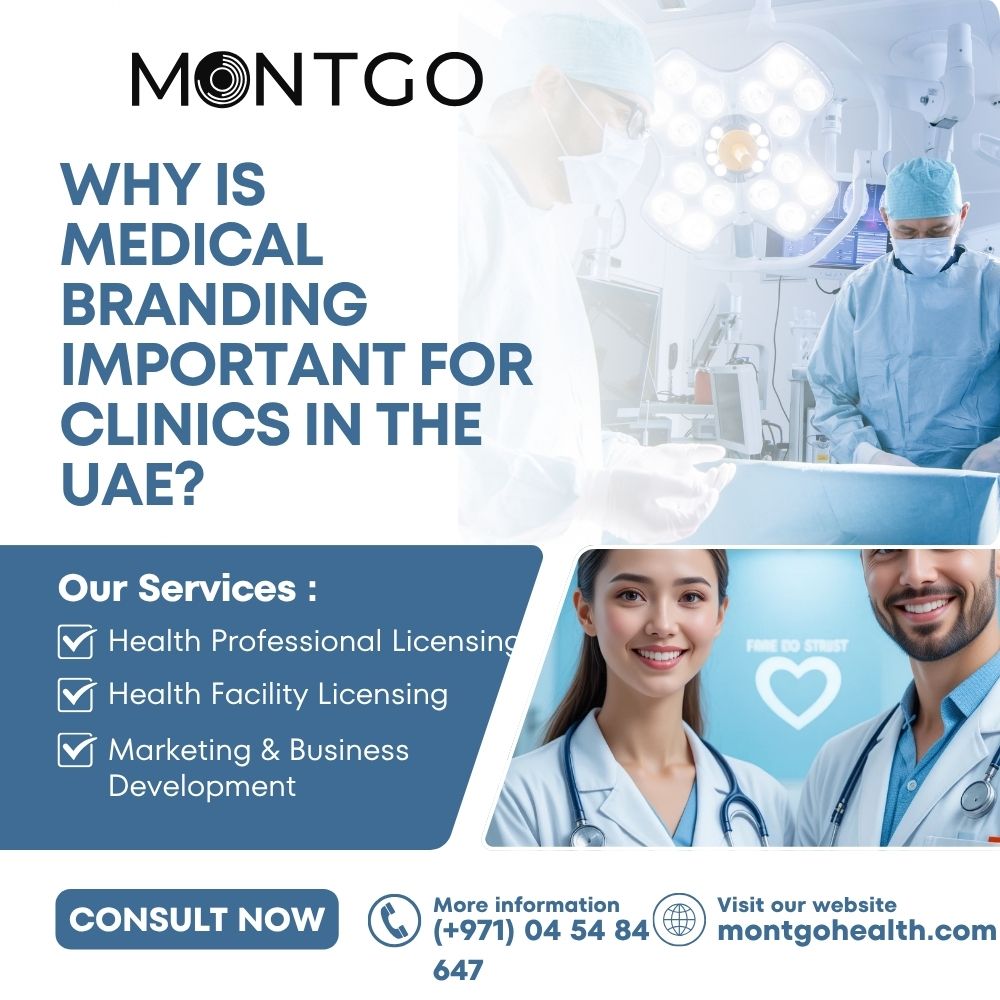
  • Why Is Medical Branding Important for Clinics in the UAE?

    Why Is Medical Branding Important for Clinics in the UAE?

    In today’s competitive healthcare world, medical branding has become just as important as providing good medical services. In the UAE, where the healthcare industry is growing fast, clinics need a strong and trustworthy brand to stand out. Patients now have many options, so your clinic’s image, reputation, and trust factor matter more than ever.

    Here’s why medical branding is so important for clinics in the UAE:

    1. Builds Trust and Credibility

    When people look for a clinic, they don’t just want treatment they want a place they can trust. A professional and consistent brand helps patients feel confident that they are in safe hands. Good branding includes a clean logo, a well-designed website, and clear communication, all of which show reliability and care.

    2. Makes You Stand Out

    The UAE has many hospitals, clinics, and medical centers. If your clinic looks and sounds the same as others, it’s easy to get lost in the crowd. A unique brand identity helps your clinic stand out from your name and logo to your tone of voice and patient experience.

    3. Builds Emotional Connection

    Branding is not just about visuals, it’s about feelings. When patients feel cared for and respected, they connect emotionally with your clinic. A strong brand that communicates compassion and professionalism helps build lasting relationships and patient loyalty.

    4. Improves Patient Experience

    Branding shapes how patients see and experience your clinic from booking an appointment online to visiting in person. When everything looks organized, consistent, and patient-focused, it improves their overall experience and increases the chances of them recommending your clinic to others.

    5. Helps You Grow and Expand

    Strong branding makes it easier to grow your clinic. Whether you plan to open new branches, partner with hospitals, or attract international patients, a trusted and recognizable brand name will always work in your favor.

    6.Builds a Positive Online Reputation

    In the UAE, people often check Google reviews and social media before choosing a clinic. A clear and professional brand presence online including your logo, website, and tone helps you attract more patients and build a positive reputation in the digital space.

    Can small clinics benefit from branding too?

    Yes, small clinics in Dubai can definitely benefit from branding. A strong brand helps a clinic stand out from others and makes people trust it more. Even if a clinic is small, good branding like a clear logo, professional website, and consistent message creates a good first impression. It shows patients that the clinic is reliable and cares about quality. In Dubai, where there are many healthcare options, branding helps small clinics attract more patients, build loyalty, and compete with bigger hospitals. It also helps people remember the clinic’s name and recommend it to others.

    How can a clinic start building its brand?

    Building a clinic’s brand in Dubai starts with creating a clear and trustworthy image that people can easily recognize. First, the clinic should define what makes it special, for example, friendly care, modern treatments, or affordable prices. Then, it needs a professional logo, website, and social media pages that reflect this identity. Good branding also means providing excellent patient experiences from the first phone call to the visit and follow-up. Word of mouth matters a lot in Dubai, so happy patients will bring more people. Sharing health tips online, posting success stories, and engaging with followers helps build trust and visibility. Partnering with influencers, joining local health events, and keeping a consistent message across all platforms can make the clinic stand out. Most importantly, honesty and patient satisfaction should always come first, because that’s what builds a lasting brand reputation in Dubai’s competitive healthcare market.

    Does branding help attract international patients in the UAE?

    Yes, branding plays a big role in attracting international patients to clinics in the UAE. When a medical clinic has a strong and trustworthy brand, it gives people confidence that they will receive high-quality care. Many international patients choose the UAE for treatment because of its advanced healthcare services, but they also look for clinics that seem professional, reliable, and well-known. Good branding helps show that a clinic meets international standards, has skilled doctors, and provides modern treatments. It also makes the clinic stand out online, where most patients search before traveling. In short, strong branding builds trust, improves reputation, and helps attract patients from around the world.

    Conclusion

    Medical branding is not just about design it’s about trust, connection, and reputation. For clinics in the UAE, having a strong brand means being remembered, trusted, and chosen by patients again and again. If your clinic invests in proper branding today, it can become one of tomorrow’s most recognized and respected names in healthcare. Visit Our Website 


    Frequently Ask Questions

    1. What is medical branding?
    Medical branding is the process of creating a clear, consistent identity for a healthcare provider or clinic to build trust and recognition among patients.

    2. Why is branding important for medical practices?
    Strong branding helps patients feel confident in your expertise, improves visibility, and sets your clinic apart from competitors.

    3. What elements are part of medical branding?
    It includes your logo, website design, messaging, tone of voice, patient experience, and how your practice is presented online and offline.

    4. Can branding help attract more patients?
    Yes. Effective branding builds credibility and helps potential patients choose your practice over others by communicating trust and professionalism.

    5. How is digital marketing connected to medical branding?
    Digital marketing promotes your brand through social media, search engines, and websites, ensuring your identity stays consistent across all channels.

    6. How long does it take to build a strong medical brand?
    It varies by strategy and goals, but with consistent messaging and patient engagement, noticeable results usually appear within a few months.

  • How to Start Your Journey in Medical Coding Education

    How to Start Your Journey in Medical Coding Education

    If you’re thinking about building a career in the healthcare field without working directly with patients, medical coding can be a great choice. It’s a growing career where you play an important role in translating medical reports into standard codes used for billing and insurance. Here’s an easy guide to help you start your journey in medical coding education. Blogs

    1. Understand What Medical Coding Is

    Medical coding means turning a doctor’s notes, diagnoses, and procedures into universal codes. These codes are used by hospitals and insurance companies for billing and record-keeping. So, before you start, take some time to understand what coders actually do and why their work is important in the healthcare system.

    2. Check the Basic Requirements

    To begin, you usually need:

    • A high school diploma or equivalent.

    • Basic knowledge of biology, anatomy, and medical terms.

    • Good computer and communication skills.

    If you already have these, you’re ready to take the next step.

    3. Choose a Training Program

    You can take a medical coding course from a college, university, or an online platform.
    Some popular certifications include:

    • CPC (Certified Professional Coder) by AAPC

    • CCA (Certified Coding Associate) by AHIMA

    Many institutes offer short courses (6 months to 1 year) where you’ll learn about anatomy, medical terminology, and coding systems like ICD-10, CPT, and HCPCS.

    4. Go for Internships or Practice

    Once you’ve learned the basics, practice is key. Some institutes offer internship opportunities where you can get real-life experience. Even practicing on sample reports or using online simulators helps a lot in improving your skills.

    5. Get Certified

    After training, it’s best to earn a certification like CPC or CCA. This increases your job chances and salary potential. Many employers prefer certified coders because it shows professionalism and skill.

    6. Apply for Jobs

    You can start as:

    • A Medical Coder

    • Medical Billing Specialist

    • Health Information Technician

    With experience, you can move into higher roles like auditor, coding manager, or even start freelancing from home.

    7. Keep Learning

    Healthcare rules and coding systems keep changing, so it’s important to stay updated. Attend workshops, webinars, and online courses to grow your knowledge and stay ahead in your career.

    What kind of jobs can I get after completing a medical coding course?

    After completing a medical coding course, you can get several job opportunities in the healthcare and insurance sectors. Medical coding is all about translating medical reports and patient records into universal codes that insurance companies and hospitals can use for billing and records. With this skill, you can work in offices, hospitals, clinics, or insurance companies. Here’s an easy explanation:

    Many companies need medical coders because accurate coding is very important for billing, insurance claims, and maintaining patient records. Some jobs may require you to work from home, while others may be in an office.

    Jobs you can get after a medical coding course:

    • Medical Coder: Convert patient records and treatment details into standard medical codes.

    • Medical Billing Specialist: Work with insurance companies to make sure hospitals and clinics get paid correctly.

    • Health Information Technician: Manage and organize patient health information in hospitals or clinics.

    • Insurance Claims Analyst: Review medical claims and ensure they follow coding rules.

    • Compliance Auditor: Check that medical coding and billing follow healthcare regulations.

    • Medical Records Coordinator: Keep patient files organized and ensure coding accuracy.

    Is medical coding a good career?

    Yes, medical coding is a good career. It involves turning patients’ medical information into codes used for billing and records. It is in high demand because hospitals, clinics, and insurance companies need skilled coders. You can work from an office or even from home, and it pays well compared to many entry-level jobs. It’s also a stable career with growth opportunities if you keep learning and getting certified.

    What skills do I need to become a good medical coder?

    Here are the key skills you need to become a good medical coder:

    • Attention to detail – to accurately read and code medical records.

    • Medical terminology knowledge – understanding diseases, procedures, and anatomy.

    • Coding system knowledge – familiar with ICD-10, CPT, and HCPCS codes.

    • Computer skills – able to use coding software and electronic health records.

    • Critical thinking – to choose the most accurate codes.

    • Organizational skills – to manage and track multiple records efficiently.

    • Accuracy and patience – mistakes can affect billing and patient care.

    • Communication skills – to clarify information with healthcare providers if needed.

    Conclusion

    Starting your journey in medical coding is not difficult, it just needs focus and consistency. With proper training, certification, and continuous learning, you can build a stable and respected career in the healthcare industry. Visit Our Website


    Frequently Ask Questions

    • What is Medical Coding Education?
      It is training that teaches how to assign standardized codes to medical diagnoses, procedures, and treatments for accurate healthcare documentation.

    • Who should take a Medical Coding Education program?
      Anyone interested in healthcare administration, billing, or records management, including students and working professionals.

    • How long does the course typically last?
      Courses usually take 3 to 12 months depending on the program type and full-time or part-time study.

    • What skills will I gain from Medical Coding Education?
      You’ll learn ICD-10, CPT, HCPCS coding, medical billing, healthcare documentation, and regulatory compliance.

    • What job opportunities are available after completing the course?
      Graduates can work as medical coders, health information technicians, billing specialists, or medical records analysts.

    • Is Medical Coding Education recognized in the UAE?
      Many programs are accredited locally and internationally, enabling graduates to work in hospitals, clinics, and insurance companies in the UAE.