Montgo Health Systems

Author: Montgo Health Systems

  • What Does a Doctor Certificate Mean for Your Health?

    What Does a Doctor Certificate Mean for Your Health?

    In today’s world, health is of paramount importance, and when it comes to seeking medical care, the first thing most people look for is the credibility and qualifications of their healthcare provider. A doctor certificate is one of the most significant pieces of evidence that demonstrates a medical professional’s competence, legitimacy, and ability to provide the care you need. But what does a doctor certificate actually mean for your health, and why should you prioritize checking it? In this blog, we will explore the meaning and importance of a doctor certificate, how it relates to patient care, and why you should verify this important document before seeking medical attention.

    What is a Doctor Certificate?

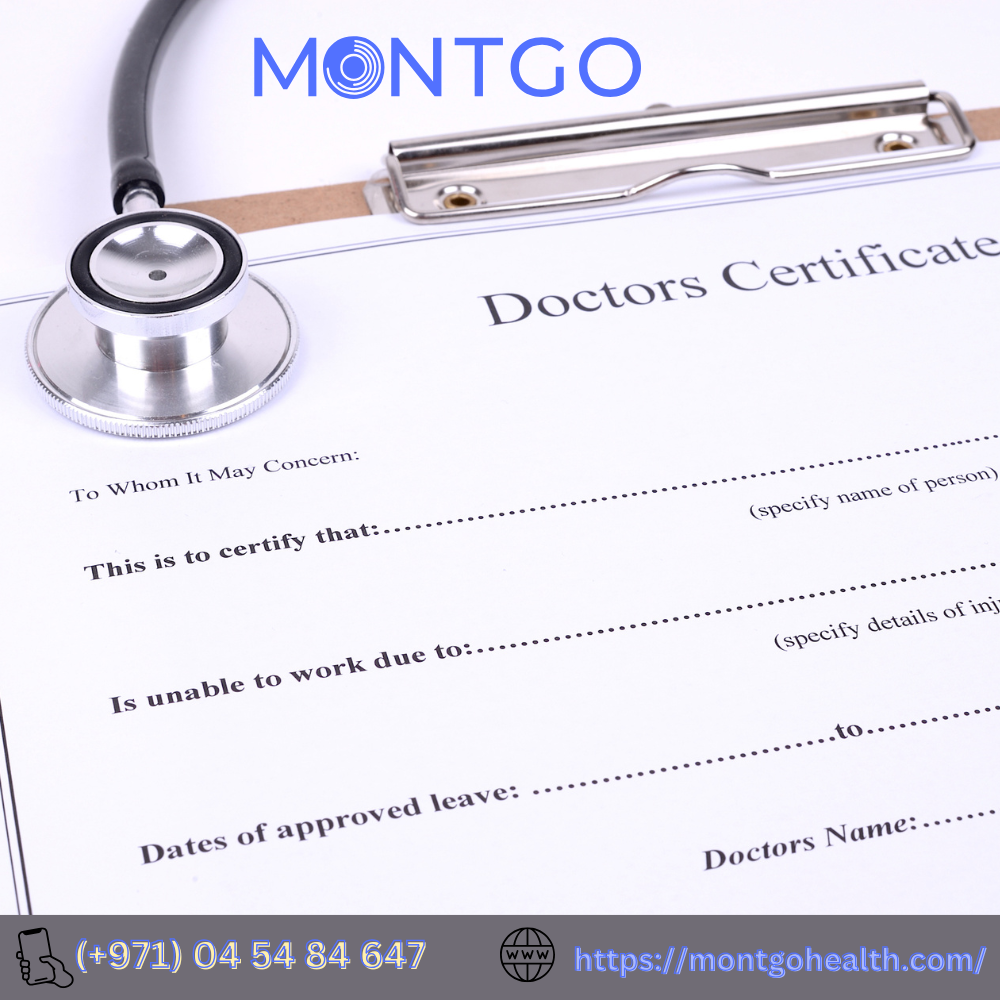
    A doctor certificate is a formal document issued by a licensed medical professional that confirms the medical status of an individual. It usually includes information about a patient’s diagnosis, their current health condition, and the treatment they are undergoing or have received. There are several types of doctor certificates, including:

    • Medical Certificates for Sick Leave: Issued when a person needs to take time off work due to illness.
    • Fitness Certificates: These confirm that an individual is fit for a specific activity or job (such as returning to work after an illness or participating in sports).
    • Health Certificates for Travel or Employment: These are often required for individuals who need to prove their health status for work, travel, or visa applications.
    • Disability Certificates: Issued to individuals with disabilities to confirm their health status for eligibility for various government benefits and support services.

    A doctor certificate is essentially a verification of an individual’s health condition, written by a qualified healthcare professional, to authenticate the medical reasoning behind the issued certificate.

    Why Is a Doctor Certificate Important for Your Health?

    1. Confirms Medical Validity

    One of the most important functions of a doctor certificate is to confirm that the medical advice or diagnosis given is valid and supported by professional expertise. By receiving a doctor certificate, you are assured that your condition or treatment plan is being recognized by a legitimate medical authority. This can be especially crucial when dealing with work or legal matters that require official documentation of health conditions.

    • Validation of Medical Claims: For employers or institutions requiring proof of illness or injury, the doctor certificate provides a formal declaration that supports your claim. This is particularly helpful when applying for medical leave, insurance claims, or other health-related benefits.
    • Medical Confirmation for Treatments: If you’re undergoing a specific treatment or taking medications, the doctor certificate can validate that the treatment prescribed is necessary and part of an appropriate treatment plan.

    2. Helps Ensure Proper Health Management

    When it comes to health, having accurate documentation of your condition is crucial for proper management and follow-up care. A doctor certificate is more than just a note for work or school; it can serve as an important part of your overall health management strategy. The certificate outlines your medical condition, treatment plan, and any instructions that may need to be followed for recovery or ongoing treatment.

    • Track Treatment Progress: A doctor certificate can provide clear information about your health progress, indicating whether your current treatment is working or if adjustments are necessary.
    • Avoid Unnecessary Treatments: With a certificate documenting your condition, you reduce the chances of unnecessary tests or treatments, as healthcare providers can refer to the documented diagnosis for decision-making.

    3. Protects Your Rights and Provides Legal Protection

    Doctor certificates often have legal implications. They are sometimes required to ensure that you receive the necessary benefits, rights, and protections. For instance, when you are too ill to work or need to apply for disability benefits, a doctor certificate can provide the necessary evidence to protect your rights.

    • Workplace Protections: A doctor certificate can help you prove your illness or injury to your employer, ensuring that you receive the sick leave or accommodations to which you are entitled.
    • Insurance Claims: Insurance companies often require medical certificates when processing claims for medical treatment or disability benefits. Having the right documentation can ensure that your claim is processed swiftly and correctly.

    In the event of a legal dispute, such as a workplace injury or a health-related lawsuit, a doctor certificate can serve as important evidence of your medical condition and its impact on your daily life.

    4. Ensures Trustworthy Healthcare

    A doctor certificate also plays an essential role in helping individuals establish trust in their healthcare provider. When a doctor issues a certificate, it serves as confirmation that they have assessed and diagnosed the patient thoroughly. This certificate is a reflection of the doctor’s professional competence, and it adds an extra layer of accountability to the medical care you receive.

    • Confidence in Healthcare Providers: When you receive a doctor certificate, you know that your healthcare provider has officially recognized your medical needs and is providing a legitimate treatment plan. This creates a sense of trust and reassurance for patients.
    • Professional Standards: A doctor certificate is an official document backed by medical ethics and professional standards. It ensures that the healthcare provider has completed the necessary evaluations and diagnostics before providing a health status.

    5. Enables Access to Special Accommodations

    Certain health conditions require specific accommodations, whether at work, school, or other places. A doctor certificate helps patients access necessary accommodations by providing a formal, professional statement of their health needs.

    • Workplace Accommodations: If you have a medical condition that requires modifications in your work environment, such as longer breaks or specific duties, a doctor certificate can provide the documentation needed to receive those accommodations.
    • Educational Support: Students with chronic health conditions, for example, can benefit from educational accommodations by providing a doctor certificate to ensure they receive the necessary adjustments for a productive learning environment.

    In these situations, the doctor certificate acts as an official document that facilitates the proper care and support you need to live a healthy and balanced life.

    How Can a Doctor Certificate Impact Your Health Long-Term?

    A doctor certificate has lasting effects on your health as it serves as a formal record of your medical history and current health status. These certificates help you keep track of your progress and assist your healthcare providers in providing continuous care. By maintaining accurate health records through doctor certificates, you ensure that all your medical treatments are coordinated and up to date.

    • Long-Term Health Tracking: Over time, doctor certificates can create a comprehensive health record that helps doctors make informed decisions about your health management. For individuals with chronic conditions or ongoing treatment, this documentation is vital for long-term care.
    • Continuous Care Across Providers: When you visit new healthcare providers, a doctor certificate can be shared to ensure that they have accurate information about your medical history, which is essential for providing consistent and effective care.

    What Should You Check for in a Doctor Certificate?

    When receiving a doctor certificate, there are several key aspects to verify to ensure its authenticity and accuracy:

    • Doctor’s Credentials: Ensure that the doctor issuing the certificate is licensed and qualified to provide medical care.
    • Clear Diagnosis and Treatment Plan: The certificate should clearly outline your medical condition and any prescribed treatments or instructions.
    • Date and Signature: A valid doctor certificate should be signed and dated by the doctor, confirming the authenticity of the document.
    • Official Letterhead: The certificate should be on the healthcare provider’s official letterhead, showing the institution’s details and contact information.

    Conclusion

    A doctor certificate is more than just a piece of paper—it is a crucial document that helps safeguard your health, ensures proper medical care, and protects your rights. Whether you are managing a chronic condition, taking sick leave from work, or seeking health-related accommodations, a doctor certificate is an essential tool in navigating healthcare and life’s challenges.

    Ultimately, a doctor certificate serves as proof that your health is being taken seriously, and that professional, ethical care is being provided. Always ensure that your certificate is accurate, reliable, and issued by a licensed medical professional, as it plays an integral role in your long-term health journey.



    Frequently Ask Questions

    Q. How do I get a medical certificate in Dubai?

    A. To get a medical certificate in Dubai, visit a licensed healthcare provider who will assess your health and issue the certificate based on their evaluation.

    Q. How to get a doctor’s license in Dubai?

    A. To get a doctor’s license in Dubai, you must pass the Dubai Health Authority (DHA) exam, submit the necessary documents, and meet the eligibility criteria for the specialty.

    Q. How to download UAE medical certificate?

    A. You can download a UAE medical certificate by visiting the official website of the healthcare provider or using the Dubai Health Authority (DHA) portal if it’s issued online.

    Q. Can a doctor work in Dubai without DHA license?

    A. No, a doctor cannot legally work in Dubai without a DHA license. Practicing without a valid license is against the law and can lead to serious consequences.

    Q. What documents are required for medical in Dubai?

    A. Documents required for a medical in Dubai typically include a valid passport, Emirates ID, proof of residence, and any medical history or vaccination records as requested by the clinic.

    Q. Is a medical certificate required for Dubai visa?

    A. Yes, a medical certificate is required for a Dubai visa, especially for employment visas, to confirm that the applicant is free from contagious diseases like tuberculosis.

  • What is DHA Haad Moh and Why is it Gaining Popularity

    What is DHA Haad Moh and Why is it Gaining Popularity

    For healthcare professionals in the UAE, obtaining the correct license is crucial to practice legally and offer services to the public. While many professionals initially obtain the DHA (Dubai Health Authority) license to practice in Dubai, some may wish to transfer or convert their license to the MOH (Ministry of Health) license to expand their practice across other Emirates. If you are looking to transition from a DHA license to an MOH license, the process requires a few important steps. This blog will walk you through the steps and requirements for converting your DHA license to an MOH license.

    Why Convert a DHA License to an MOH License?

    Before delving into the process, it’s important to understand why one might need to convert their DHA license to an MOH license.

    1. Work in Other Emirates: DHA licenses are specific to Dubai, and while they allow you to work in the emirate of Dubai, you cannot practice in other Emirates like Abu Dhabi, Sharjah, or Fujairah unless you have an MOH license.
    2. Broader Scope: The MOH license provides broader access to work in various parts of the UAE, especially if you’re planning to work across multiple emirates.
    3. Job Opportunities: Certain healthcare institutions in the UAE require an MOH license for employment, particularly those outside Dubai, and converting your DHA license may open up more job opportunities.

    Steps to Convert a DHA License to an MOH License

    The process to convert your DHA license to an MOH license involves several key steps, which can vary slightly depending on the type of healthcare professional you are. Here’s an overview of the general process:

    1. Meet Eligibility Criteria

    Before starting the conversion process, ensure you meet the eligibility requirements to obtain an MOH license. These criteria typically include:

    • Valid DHA License: You must currently hold a valid DHA license.
    • Qualifications: Your qualifications must be recognized by the UAE authorities. In some cases, you may need to provide additional documents to confirm your credentials.
    • Experience: Relevant professional experience may be required, depending on the profession and your level of qualification.

    2. Submit Required Documents

    Gather all the necessary documents for the conversion process. These usually include:

    • A copy of your valid DHA license
    • A valid passport copy
    • Educational qualifications and transcripts
    • Professional experience certificates
    • Passport-sized photographs
    • Any other documents that may be requested by the MOH (e.g., medical fitness certificates)

    3. Pass the MOH Exams (If Required)

    In some cases, you may need to take and pass an MOH exam to prove your proficiency in your field of healthcare. This depends on your profession and the level of qualifications you possess. The MOH exam is generally focused on testing your knowledge of UAE-specific healthcare practices and regulations.

    4. Submit an Application to MOH

    Once you have all your documents ready and have completed any necessary exams, submit an application for the MOH license. The Ministry of Health (MOH) typically requires an online submission through their licensing portal or through an authorized representative.

    Ensure that all forms are filled out accurately, and you’ve paid the necessary application fees.

    5. Wait for Approval

    After submission, the MOH will review your application and documents. This process can take several weeks, depending on the workload and the completeness of your application. During this time, they may request additional documents or clarifications.

    6. Receive the MOH License

    Once your application is approved, you will receive your MOH license. This will allow you to legally practice healthcare in any emirate that is governed by the Ministry of Health. Make sure to check if any additional steps are required for registering with the local health authorities in the other Emirates where you plan to work.

    Things to Keep in Mind

    • Fee Structure: The fee for applying for an MOH license can vary based on the type of healthcare professional you are. Check the official MOH website for the most up-to-date fee structure.
    • Verification of Documents: The MOH requires all foreign degrees to be attested by the UAE embassy or Ministry of Foreign Affairs in your home country. Ensure that this is done before submitting your documents to avoid delays.
    • Processing Time: The time it takes to convert your DHA license to an MOH license can vary, typically taking a few weeks depending on the completeness of your application. Be patient and plan accordingly.
    • Additional Training: Depending on your healthcare profession, you may need to complete additional training or certifications before you can convert your license to the MOH.

    Conclusion

    Converting your DHA license to an MOH license is a process that requires careful planning and a few essential steps, but it is necessary for healthcare professionals looking to practice across all emirates in the UAE. By following the outlined process and ensuring that all your documentation is in order, you can smoothly transition to the MOH license and enjoy the benefits of practicing healthcare in a broader geographic area.

    If you’re unsure about any part of the process or need guidance, you may want to seek help from a licensing consultant or contact the MOH directly to ensure everything is in place for a successful application. Contact Montgo Health For Details.


    Frequently Ask Questions

    Q. Difference between DHA and MOH?

    A. DHA (Dubai Health Authority) licenses healthcare professionals in Dubai, while MOH (Ministry of Health) covers other emirates. Both ensure compliance with medical standards but operate in different jurisdictions.

    Q. Which license is best in the UAE?

    A. The best license depends on your location and profession. DHA is ideal for working in Dubai, while MOH is best for other emirates. The HAAD license is specifically for Abu Dhabi.

    Q. Who is eligible for the MOH exam in the UAE?

    A. To be eligible for the MOH exam, applicants must have a recognized medical qualification and relevant work experience. Requirements may vary depending on the medical profession.

    Q. Who is eligible for the HAAD exam in the UAE?

    A. Healthcare professionals seeking to work in Abu Dhabi must meet HAAD exam eligibility by having a relevant degree, work experience, and a recognized certification.

    Q. Which country is valid for UAE license?

    A. UAE medical licenses are typically valid for professionals from countries with recognized medical standards, including India, Pakistan, the Philippines, and many European nations.

  • What is the Data Flow Fee for HAAD Certification?

    What is the Data Flow Fee for HAAD Certification?

    If you’re planning to pursue a healthcare career in Abu Dhabi, one of the key requirements you will need to meet is obtaining the HAAD (Health Authority – Abu Dhabi) certification. HAAD is the governing body for healthcare professionals in the emirate of Abu Dhabi, and the certification process is essential for legally practicing in the region. One of the crucial steps in obtaining this certification is the Data Flow process, which verifies your credentials and qualifications.

    A key part of this process involves the Data Flow fee, which is necessary to complete the verification and ensure that your qualifications and experience are authentic. In this blog, we will discuss everything you need to know about the Data Flow fee for HAAD certification, including what it is, why it’s required, and how to pay it.

    What is Data Flow?

    Data Flow is a global credential verification service used by various healthcare authorities around the world to verify the authenticity of documents and qualifications. In the case of HAAD, the Data Flow process is part of the licensing procedure for healthcare professionals who wish to practice in Abu Dhabi.

    During this process, Data Flow checks the legitimacy of documents such as:

    • Educational qualifications
    • Work experience certificates
    • Training certifications
    • Professional registrations and licenses

    The verification process ensures that healthcare professionals meet the necessary standards and qualifications required by HAAD. This helps maintain the integrity of the healthcare system in Abu Dhabi, ensuring that healthcare providers are skilled and qualified.

    Why is the Data Flow Fee for HAAD Important?

    The Data Flow fee for HAAD certification is a mandatory payment required to initiate the document verification process. Without paying the Data Flow fee, your application for HAAD certification will not proceed. The fee serves several important purposes:

    1. Credential Verification: The fee covers the costs associated with verifying your educational and professional qualifications, as well as your previous work experience.
    2. Fraud Prevention: By paying the Data Flow fee, you contribute to reducing fraudulent practices in the healthcare sector. The verification process ensures that only qualified and verified professionals are allowed to practice.
    3. Administrative Costs: The fee also helps to cover the administrative costs incurred by the HAAD and Data Flow services in processing and verifying documents.
    4. Global Database Access: Data Flow works with a global network of agencies and institutions to verify your documents, ensuring that your qualifications are recognized internationally.

    How Much is the Data Flow Fee for HAAD?

    The Data Flow fee for HAAD certification can vary depending on several factors, such as the type of healthcare profession you belong to and the number of documents that need verification. On average, the cost of the Data Flow fee for HAAD is around USD 150 to 200. However, it’s important to check the latest fee structure on the official HAAD website or with an authorized service provider, as fees may change periodically.

    In addition to the basic Data Flow fee, there may be additional charges for extra services such as:

    • Re-verification of documents
    • Document translations
    • Expedited services for faster processing

    These additional fees are typically optional, but they can increase the overall cost of the verification process if you opt for faster or more comprehensive services.

    How to Pay the Data Flow Fee for HAAD?

    Paying the Data Flow fee for HAAD certification is a straightforward process, but it must be done carefully to avoid delays in your application. Here’s how you can pay the fee:

    1. Create an Account on Data Flow: Before you can pay the Data Flow fee, you will need to create an account with Data Flow and submit your application for credential verification. During this process, you will need to upload scanned copies of all your qualifications, certificates, and other relevant documents.
    2. Choose Your Services: Once you have created an account and filled out the necessary forms, you will be asked to choose the services you require. This includes selecting the level of verification needed and any additional services like expedited processing or translation services.
    3. Pay the Fee Online: The Data Flow system allows you to pay the required fee online via credit card or other secure online payment methods. Once payment is made, you will receive a confirmation receipt, and your application will be processed.
    4. Verification Process Starts: Once the payment is confirmed, Data Flow will begin verifying your credentials. This may take several weeks, depending on the complexity of your case and the number of documents that need to be verified.
    5. Receive Your Report: After the verification process is completed, Data Flow will send you a report. If everything is in order, your report will be submitted to HAAD, and you can continue with your application for HAAD certification. If there are any discrepancies or issues with your documents, you may be asked to submit further evidence or clarifications.

    Steps to Complete the HAAD Certification Process After Data Flow

    Once the Data Flow verification is successfully completed, you can proceed with the next steps for obtaining your HAAD certification. These include:

    1. Submit Your Data Flow Report to HAAD: After receiving the validated Data Flow report, you must submit it along with your other documents to the HAAD licensing system.
    2. Take the HAAD Exam (if applicable): Depending on your profession, you may be required to pass a licensing exam administered by HAAD. This exam tests your knowledge of medical procedures, ethics, and regulations specific to Abu Dhabi.
    3. Complete the Health Screening: HAAD requires all healthcare professionals to undergo a medical fitness test to ensure that they are physically and mentally capable of performing their duties.
    4. Final Approval: Once all documents and requirements are submitted, HAAD will review your application, and if everything is in order, you will be issued a HAAD license to practice in Abu Dhabi.

    Key Takeaways

    • The Data Flow fee for HAAD is a necessary cost associated with the verification of your educational and professional qualifications.
    • This fee ensures that you are a qualified healthcare professional and helps prevent fraud in the healthcare system.
    • The fee can range from USD 150 to 200, with additional costs for expedited services or document translations.
    • Payment for the Data Flow verification is done online through the Data Flow system, and once the verification is complete, you can continue with the HAAD licensing process.

    Understanding the Data Flow fee for HAAD certification and the steps involved in paying it can help streamline your certification process and ensure that you meet all the necessary requirements to practice in Abu Dhabi. Be sure to check the latest information and fees from official sources to ensure your application is processed smoothly and without delays. Contact Montgo Health 


    Frequently Ask Questions

    Q. What is DataFlow in HAAD?

    A. DataFlow is a credential verification process used by HAAD to authenticate the qualifications, experience, and professional documents of healthcare professionals before issuing licenses.

    Q. How to pay for DataFlow?

    A. Payment for DataFlow can be made online through their portal using a credit card or other secure payment methods after creating an account and submitting required documents.

    Q. What is the fees of HAAD exam in UAE?

    A. The HAAD exam fee varies by profession but typically ranges from AED 300 to AED 1,000. Check the HAAD website for specific fees related to your healthcare field.

    Q. Is HAAD accepted in Dubai?

    A. HAAD certification is only valid in Abu Dhabi. For practice in Dubai, healthcare professionals need a DHA (Dubai Health Authority) license.

    Q. What is DataFlow for nurses in UAE?

    A. For nurses in the UAE, DataFlow verifies educational qualifications, work experience, and professional certifications before they can obtain a HAAD license.

    Q. How much is the DHA exam fee in UAE?

    A. The DHA exam fee typically ranges from AED 300 to AED 1,000, depending on the profession. For accurate details, refer to the DHA website.

  • What Are the HAAD Exam Fees for Doctors in the UAE?

    What Are the HAAD Exam Fees for Doctors in the UAE?

    For doctors looking to practice in Abu Dhabi, obtaining a HAAD (Health Authority – Abu Dhabi) license is a mandatory step. One of the key parts of the licensing process is passing the HAAD exam. This exam tests your medical knowledge and skills, ensuring that healthcare professionals meet the standards set by the Abu Dhabi health authorities.

    A question that many doctors have when going through this process is about the HAAD exam fees. In this blog, we will explore the cost of the HAAD exam for doctors in the UAE, what factors influence the fee, and how to prepare for the exam.

    What is the HAAD Exam?

    The HAAD exam is an essential step in obtaining a medical license to practice in the emirate of Abu Dhabi. It assesses the qualifications, knowledge, and skills of medical professionals to ensure that they are competent and meet the required standards. The exam is typically required for a variety of healthcare professionals, including doctors, nurses, pharmacists, and technicians.

    For doctors, the HAAD exam consists of multiple-choice questions that cover a broad range of medical topics. The content is designed to evaluate both theoretical knowledge and practical medical skills. Depending on the medical specialty (e.g., general medicine, surgery, pediatrics), the questions may vary to ensure that doctors are well-versed in their specific fields.

    HAAD Exam Fees for Doctors

    The cost of the HAAD exam for doctors can vary depending on a few factors, such as the doctor’s specialty and the category of their exam. On average, the HAAD exam fee for doctors typically ranges between AED 300 to AED 1,000.

    Here’s a breakdown of how the fees are generally structured:

    1. General Physicians (GPs): The HAAD exam fee for general practitioners (GPs) is generally lower compared to specialists. For GPs, the fee is usually around AED 300 to AED 600.
    2. Specialist Doctors: For specialists, the fee is higher due to the increased complexity and depth of the exam. The cost for specialist exams typically ranges from AED 500 to AED 1,000, depending on the area of specialization.
    3. Consultant Doctors: Consultant-level exams can be more expensive due to the advanced level of knowledge required. The fees for consultants may range from AED 800 to AED 1,000.

    These prices are an approximation and may vary slightly based on updates from the HAAD authorities. For the most accurate and up-to-date fee structure, it’s advisable to visit the official HAAD website or contact authorized medical licensing centers.

    What Does the HAAD Exam Fee Cover?

    The HAAD exam fee typically covers the following:

    1. Examination Administration: This includes the cost of processing your exam application, arranging the test, and managing the exam logistics.
    2. Exam Materials: The fee helps cover the preparation and printing of the exam papers, along with the technology used to administer and grade the tests.
    3. Credential Verification: For doctors, the HAAD exam fee also partially contributes to the credential verification process. Before you can even take the exam, your medical qualifications, work experience, and other credentials must be verified through a third-party service like DataFlow.
    4. Results Processing: Once you’ve taken the exam, your results will be processed and sent to the HAAD authorities for review. The exam fee contributes to this processing and the final certification.

    Additional Costs Associated with HAAD Licensing

    Aside from the exam fee, there are additional costs that doctors should consider when applying for a HAAD license. These may include:

    1. DataFlow Verification Fee: Before you can sit for the HAAD exam, your medical qualifications and professional credentials must be verified through DataFlow, a credentialing service. The cost of DataFlow verification varies but typically ranges between USD 150 to USD 200.
    2. Health Screening: All healthcare professionals applying for a HAAD license must undergo a health screening. This ensures that doctors are medically fit to practice. The cost for health screening typically ranges from AED 200 to AED 500.
    3. MOH Registration (if applicable): Depending on your qualifications and where you intend to practice, you may also need to register with the UAE Ministry of Health (MOH). This can incur an additional cost.
    4. License Issuance Fee: After passing the HAAD exam and meeting all requirements, there is a final fee for the issuance of your HAAD license. This cost generally ranges between AED 500 to AED 1,000.
    5. Renewal Fees: HAAD licenses need to be renewed periodically. The renewal fees can vary depending on your profession and status, and you should be prepared for this ongoing cost.

    How to Pay the HAAD Exam Fee

    The process of paying for the HAAD exam is fairly simple and can be done online through the official HAAD portal or through other authorized service providers. Here’s how you can pay the fee:

    1. Create an Account on the HAAD Portal: Before you can pay for the exam, you will need to register on the HAAD licensing portal. You will need to upload all the required documents, such as your educational qualifications, proof of experience, and passport details.
    2. Submit Your Application: Once your account is set up and your documents are in order, submit your application for the HAAD exam. Ensure that all your details are correct and that you meet all the eligibility criteria.
    3. Make the Payment: After submitting your application, you will be prompted to pay the exam fee. Payment can be made using a credit card or other secure online payment methods available on the portal.
    4. Confirmation: After payment is processed, you will receive a confirmation email, and your exam will be scheduled. Make sure to keep this confirmation for your records.

    Preparing for the HAAD Exam

    In addition to paying the HAAD exam fee, doctors should also prepare thoroughly for the exam. Here are some tips to help you get ready:

    1. Study the Exam Syllabus: The HAAD exam syllabus is available online. Be sure to familiarize yourself with the content and focus on areas that are relevant to your specialty.
    2. Practice with Sample Questions: There are many resources available online, including practice tests and sample questions, to help you prepare for the exam.
    3. Join a Review Course: Many review courses are available specifically for the HAAD exam. These can help you understand the exam structure and cover important topics.
    4. Stay Updated: Make sure you stay updated on any changes to the HAAD exam structure or syllabus. This information is typically released by HAAD and can help you adjust your study plan.

    Conclusion

    The HAAD exam fee for doctors in the UAE is an essential part of the licensing process, ranging from AED 300 to AED 1,000, depending on your level of expertise. In addition to the exam fee, there are other costs associated with credential verification, health screening, and license issuance. Understanding these fees and budgeting for them is essential for doctors who wish to practice in Abu Dhabi.

    By thoroughly preparing for the exam, ensuring that all required documents are in order, and staying informed about the fees and procedures, doctors can navigate the HAAD licensing process smoothly and begin their practice in the UAE. Contact For Detail Montgo Health


    Frequently Ask Questions

    Q. What are the requirements for HAAD exam for doctors?

    A. Doctors must have recognized medical qualifications, relevant work experience, and pass the DataFlow verification. They must also submit proof of medical fitness and pass the HAAD exam.

    Q. How much is the MOH exam for doctors?

    A. The MOH exam fee for doctors in the UAE ranges from AED 300 to AED 1,000, depending on the medical specialty and the level of expertise required for the exam.

    Q. What is the licensing exam for doctors in Abu Dhabi?

    A. The licensing exam for doctors in Abu Dhabi is the HAAD exam, administered by the Health Authority – Abu Dhabi. It assesses knowledge and skills for practicing medicine in the region.

    Q. What is the HAAD dataflow fee for pharmacists?

    A. The HAAD DataFlow fee for pharmacists generally ranges between USD 150 to USD 200, covering the credential verification process of qualifications and experience.

    Q. How much is the HAAD exam in UAE?

    A. The HAAD exam fee in the UAE varies based on the specialty and qualification level but typically ranges from AED 300 to AED 1,000 for doctors.

    Q. What is the salary of a doctor in UAE?

    A. The salary of a doctor in the UAE varies by specialty and experience, with salaries typically ranging from AED 15,000 to AED 50,000 per month, or higher for specialists and consultants.

  • What is a Medical License and Why is It Important?

    What is a Medical License and Why is It Important?

    The healthcare industry plays a vital role in society, ensuring the physical and mental well-being of individuals across the globe. Within this essential field, medical professionals are among the most trusted individuals. However, in order to practice medicine and offer care to patients, physicians, nurses, and other healthcare providers must obtain a medical license. In this blog post, we will explore what a medical license is, why it is necessary, and the benefits it brings to both healthcare professionals and patients.

    What is a Medical License?

    A medical license is an official authorization granted by a governmental authority or regulatory body that permits an individual to practice medicine or provide healthcare services legally. This license serves as evidence that the healthcare provider has met the necessary qualifications, passed rigorous examinations, and is competent to perform medical duties within the established laws of a particular region or country.

    Different regions or countries may have varying requirements for obtaining a medical license. Typically, physicians and other medical professionals are required to complete years of education and hands-on training before being eligible to sit for licensing exams. These exams assess the candidate’s knowledge, skills, and ability to provide safe and effective care.

    In most countries, the licensing process is governed by a medical board or regulatory agency, such as the American Medical Association (AMA) in the U.S., the General Medical Council (GMC) in the UK, or the Medical Council of India (MCI) in India. Upon successful completion of the required training and exams, a medical license is granted to the individual, and they can begin practicing medicine or offering their healthcare services to the public.

    Why is a Medical License Important?

    The medical profession carries immense responsibility, as it directly impacts human lives. A medical license is crucial for several reasons:

    1. Ensures Patient Safety

    The primary reason why a medical license is essential is that it ensures that healthcare providers have the necessary knowledge, skills, and competence to deliver safe and effective medical care. A licensed professional has undergone rigorous training, exams, and practical experience, which ensures that they are prepared to handle the challenges of treating patients.

    Without a proper licensing system, there could be unqualified individuals offering medical services, putting patients at risk. Licensing protects patients by ensuring that only those with the proper qualifications can provide medical care, reducing the likelihood of medical errors and malpractice.

    2. Maintains Public Trust in Healthcare Professionals

    Medical licenses help maintain the public’s trust in healthcare providers. When individuals seek medical treatment, they want to know that the person treating them is knowledgeable, skilled, and qualified. A licensed healthcare provider reassures patients that they are in safe hands.

    Furthermore, healthcare providers who maintain a valid license are subject to periodic evaluations and continuing education, which ensures that their knowledge and skills remain up to date. This ongoing learning process demonstrates a commitment to patient care and keeps public confidence high.

    3. Establishes Professional Accountability

    A medical license also helps establish accountability within the healthcare profession. Licensed professionals are bound by ethical guidelines and regulations that govern the practice of medicine. They must adhere to the standards set by regulatory bodies, and their actions can be monitored and evaluated. If a licensed provider breaches these standards, they may face disciplinary actions, including suspension or revocation of their license.

    This system of accountability ensures that healthcare professionals are held responsible for their actions and can be penalized for any violations of medical ethics, malpractice, or negligence. It reinforces the trust between patients and providers.

    4. Legal Protection

    A medical license provides legal protection for both the healthcare provider and the patient. For healthcare providers, having a valid medical license is essential to practice lawfully. Practicing without a license can lead to serious legal consequences, including fines, criminal charges, and the inability to work in the healthcare field.

    For patients, seeking care from licensed providers ensures that they are protected under the law if something goes wrong. If a licensed professional fails to meet the expected standards of care, patients can file lawsuits or complaints with licensing boards to seek redress. Medical licensing provides a clear framework for legal recourse in case of negligence, malpractice, or other medical errors.

    5. Helps Maintain High Standards in the Medical Field

    The medical field is constantly evolving with advancements in technology, treatments, and medical research. Licensing bodies require healthcare providers to participate in continuing education, ensuring they stay up-to-date with the latest developments in their field.

    This ensures that the standard of care across the profession remains high. The ongoing learning required by licensed professionals also promotes the implementation of best practices and evidence-based medicine, which ultimately improves patient outcomes and the overall quality of healthcare.

    6. Enables Mobility and Professional Recognition

    For many medical professionals, obtaining a medical license in one jurisdiction allows them to practice in other areas as well. In many cases, healthcare providers can apply for reciprocity, where their license from one region is recognized by another. This offers greater mobility and flexibility, especially for those who wish to work in different countries or regions.

    Additionally, obtaining a medical license can enhance the professional recognition of healthcare providers. It signals to colleagues and employers that the individual has met established standards of competence and is capable of providing high-quality care. This recognition can also lead to better job prospects, career advancement, and higher earning potential.

    The Process of Obtaining a Medical License

    The process of obtaining a medical license typically follows a structured path, though it can vary depending on the country or region. However, the general steps involved include:

    1. Educational Requirements

    Healthcare providers, including physicians, nurses, and other medical professionals, must complete specific educational qualifications before applying for a medical license. For doctors, this typically involves completing an undergraduate degree, followed by a medical degree (MD or DO). Additionally, postgraduate training such as residency or internships is required.

    2. Examinations and Assessments

    After completing the necessary education, candidates must pass licensing exams, which may include written and practical components. These exams assess the candidate’s knowledge of medical science, clinical skills, and ability to diagnose and treat patients.

    3. Application and Documentation

    Once the exams are successfully passed, candidates can submit their application for a medical license to the relevant regulatory body. This application often requires submission of personal identification, educational certificates, and proof of professional experience.

    4. Background Checks and Interviews

    In many regions, candidates are subject to background checks and may also need to participate in an interview process. These steps ensure that the individual is of good moral character and does not have a history of malpractice, criminal activity, or other disqualifying behaviors.

    5. Ongoing Maintenance

    Obtaining a medical license is not a one-time event. In most cases, healthcare providers must renew their license periodically by completing continuing education courses, submitting to evaluations, and staying updated on changes in the medical field. Some regions may also require healthcare providers to take periodic exams to ensure they continue to meet the necessary standards.

    Conclusion

    A medical license is much more than a formal piece of paper—it’s a symbol of a healthcare provider’s commitment to patient safety, professionalism, and ethical standards. The importance of a medical license cannot be overstated, as it ensures that only qualified individuals are entrusted with the responsibility of caring for people’s health.

    For patients, a medical license provides peace of mind, knowing that their healthcare provider has undergone extensive training and is held to the highest standards. For healthcare providers, it opens the door to a rewarding and impactful career, while also providing legal protection and professional accountability.

    In the ever-evolving field of medicine, maintaining a medical license is a vital part of delivering high-quality care, and it will continue to be an essential component of the healthcare system for years to come.


    Frequently Ask Questions

    Q. How can I get a medical license in Dubai?

    A. To obtain a medical license in Dubai, you must apply to the Dubai Health Authority (DHA) after completing your medical education, passing the required exams, and meeting their eligibility criteria.

    Q. How can I get a medical certificate in Dubai?

    A. To get a medical certificate in Dubai, you need to visit a licensed healthcare provider who can assess your health and issue the certificate based on their examination.

    Q. Who is eligible for the medical license exam in Dubai?

    A. Eligibility for the medical license exam in Dubai includes having a recognized medical degree, relevant clinical experience, and meeting DHA’s requirements based on the profession you are applying for.

    Q. How much is the medical license exam in Dubai?

    A. The medical license exam fee in Dubai varies depending on the type of exam, but it generally ranges from AED 300 to AED 1,000, depending on the specialty and level.

    Q. How to apply for the DHA exam from Pakistan?

    A. To apply for the DHA exam from Pakistan, visit the DHA’s official website, create an account, submit required documents, and pay the application fee to schedule the exam.

    Q. What happens if you fail the Dubai medical test?

    A. If you fail the Dubai medical exam, you can usually retake it after a certain waiting period, although additional fees may apply for reattempts, and you will need to meet the DHA’s retake guidelines.

  • How to Verify a Doctor License: A Simple Guide

    How to Verify a Doctor License: A Simple Guide

    When seeking medical care, one of the most crucial factors is ensuring that your doctor is qualified and legally licensed to provide medical services. A doctor’s license not only validates their training and expertise but also assures you that they adhere to medical standards and ethical guidelines. Whether you’re a patient, a family member, or someone who just wants to verify a doctor’s qualifications, this guide will walk you through the steps of how to verify a doctor’s license and why it’s important.

    Why Verifying a Doctor’s License is Essential

    Verifying a doctor’s license is a necessary step before entrusting them with your healthcare. The doctor’s license confirms that they are legally authorized to practice medicine and have undergone the required education, training, and examinations to ensure competence. Without a valid medical license, a doctor is not legally permitted to diagnose or treat patients, which could jeopardize patient safety.

    Here are some key reasons why verifying a doctor’s license is essential:

    • Patient Safety: A licensed doctor ensures that you receive competent medical care. Verification helps you avoid unqualified practitioners who could potentially harm your health.
    • Trust in Healthcare Providers: Knowing your doctor is licensed builds trust and reassures you that they are following industry regulations and ethical practices.
    • Legal Assurance: When your doctor holds a valid license, it protects you legally, allowing you to take legal action in case of malpractice or negligence.
    • Professional Accountability: A licensed doctor is subject to ongoing education and regulatory oversight, which means they are held accountable for their professional conduct.

    Steps to Verify a Doctor’s License

    Verifying a doctor’s license is a straightforward process that varies slightly depending on the country or region where the doctor practices. Below are the general steps you can take to verify a doctor’s license.

    1. Check with the Medical Regulatory Authority

    Every country or region has a regulatory body or medical council that oversees the licensing of doctors. In the United States, for instance, each state has a Medical Board responsible for licensing healthcare professionals. Similarly, the General Medical Council (GMC) handles doctor licensing in the UK.

    Here’s how to proceed with verification:

    • Visit the official website: Start by going to the official website of the medical regulatory authority in your region. Most regulatory bodies have an online portal for checking the license status of doctors.
    • Search for a License Verification Tool: Look for a “Verify a Doctor’s License” or “Doctor License Search” option. This is typically found in the ‘Search’ or ‘Verification’ section of the site.
    • Enter the Doctor’s Information: You will need to input the doctor’s full name, license number (if available), and other identifying details such as their specialty or city of practice.
    • Check the Results: Once you submit the information, the portal should provide details of the doctor’s licensing status. You should be able to see if their license is active, expired, suspended, or revoked.

    2. Use Online Databases

    There are numerous online resources available to help verify a doctor’s license. These databases gather information from various licensing authorities and make it easier to access credentials across different regions or countries. A few well-known online databases include:

    • Healthgrades (U.S.): This platform not only lets you check a doctor’s license but also provides reviews, qualifications, and any history of disciplinary actions.
    • The American Medical Association (AMA): The AMA offers a comprehensive database to verify doctors and healthcare providers across the U.S.
    • UK’s General Medical Council (GMC): The GMC’s website allows you to search for licensed doctors in the UK and review their qualifications and regulatory status.

    These databases provide a convenient way to verify medical licenses without having to visit each regulatory body’s website.

    3. Contact the Medical Board Directly

    If you are unable to find the necessary information online or if you need more detailed verification, you can directly contact the medical board or regulatory authority. Many medical boards have phone lines or email support to assist the public in verifying a doctor’s license.

    Here’s how to contact them:

    • Look for Contact Information on the Medical Board’s Website: Most regulatory bodies will have a contact section on their website.
    • Provide the Necessary Details: When you reach out, have the doctor’s full name, practice address, and any other information you have ready to make the verification process easier and quicker.
    • Follow Up on Inquiries: If the medical board does not immediately provide the verification, follow up and ask for confirmation regarding the doctor’s licensing status.

    4. Check for Board Certification

    In addition to verifying a doctor’s license, it is also a good idea to check if they are board-certified in their specialty. Board certification is an extra step beyond a medical license and demonstrates a doctor’s expertise and knowledge in a specific area of medicine. For example, a doctor who is certified in internal medicine may have completed additional training and passed exams specific to that field.

    You can verify board certification through organizations like:

    • American Board of Medical Specialties (ABMS)
    • American Osteopathic Association (AOA)
    • The Royal College of Physicians and Surgeons (Canada)

    While board certification is not a legal requirement for practice, it is a sign that the doctor has gone beyond the basic licensing requirements and has expertise in their specialty.

    5. Look for Public Records of Complaints or Disciplinary Actions

    A doctor’s medical license verification should also include a review of any public records of complaints, malpractice claims, or disciplinary actions. Medical boards are responsible for maintaining a public record of any violations or actions taken against a doctor. If a doctor has faced any allegations or disciplinary measures, this information should be available in the verification process.

    Some key things to look for include:

    • Malpractice History: Any past malpractice claims against the doctor.
    • Suspension or Revocation: Whether the doctor’s license has been suspended or revoked for ethical violations or criminal conduct.
    • Complaints: Patient complaints or issues that have been reported to the medical board.

    You can find this information through the same online verification tools or directly through the medical board.

    What to Do if the Doctor’s License Cannot Be Verified

    In rare cases, you might encounter a situation where a doctor’s license cannot be verified or the license status is unclear. If this happens, consider the following actions:

    1. Ask the Doctor Directly: If you are in doubt, you can ask the doctor to provide proof of their licensing status. Legitimate doctors should have no issue providing this information.
    2. Report to the Authorities: If the doctor refuses to provide proof of their license or if you suspect they are practicing without one, report them to the relevant medical authority for further investigation.
    3. Seek Alternative Healthcare Providers: If the doctor’s credentials cannot be verified, it’s a good idea to seek care from another licensed provider who can meet your health needs.

    Why It’s Important to Verify a Doctor’s License

    Verifying a doctor’s license is not just a precautionary step, but a vital process that protects both you and the healthcare professional. The licensing process ensures that the doctor has the necessary education, training, and experience to provide safe and effective care. It also offers legal protection in case of malpractice and helps hold healthcare providers accountable.

    For patients, verifying a doctor’s license guarantees that they are receiving care from a qualified individual who adheres to established medical standards. It builds trust and gives peace of mind knowing that you’re in capable hands.

    Conclusion

    Verifying a doctor’s license is an essential step to ensure patient safety and trust in the healthcare system. By following the outlined steps—whether checking with the medical regulatory body, using online databases, or contacting the authorities directly—you can easily verify a doctor’s credentials and ensure they meet the standards for practice in your region.

    Remember, a doctor’s license is not just a piece of paper but a reflection of their commitment to providing ethical, professional, and competent healthcare. Always take the time to verify their qualifications, and never hesitate to ask questions or seek further information. Your health deserves nothing less than the best care. Montgo Health is here to help you navigate the process of obtaining your medical license, providing expert guidance and support every step of the way. Let us help you achieve your professional goals with confidence.


    Frequently Ask Questions

    Q. How to get a doctor’s license in Dubai?

    A. To get a doctor’s license in Dubai, you must pass the Dubai Health Authority (DHA) exam after completing your medical degree, necessary training, and documentation submission.

    Q. Does Dubai accept foreign doctors?

    A. Yes, Dubai accepts foreign doctors. However, they must pass the DHA licensing exam and meet the necessary criteria to practice medicine in the region.

    Q. What is the exam for doctor license in Dubai?

    A. The exam for a doctor’s license in Dubai is the DHA licensing exam, which tests medical knowledge, clinical skills, and proficiency in the relevant specialty.

    Q. How can I become a doctor in Dubai?

    A. To become a doctor in Dubai, you need a recognized medical degree, complete postgraduate training, pass the DHA exam, and meet other licensing requirements.

    Q. Is PLAB 2 accepted in Dubai?

    A. Yes, PLAB 2 is accepted in Dubai for doctors wishing to practice. However, you must still pass the DHA exam and meet other criteria for full licensure.

    Q. Can a doctor work in Dubai without a DHA license?

    A. No, a doctor cannot legally work in Dubai without a DHA license. Practicing without one is prohibited and can lead to legal consequences.

  • What Medical Services Are Available Near Me?

    What Medical Services Are Available Near Me?

    When it comes to health, having access to quality medical services is essential. Whether it’s routine checkups, emergency care, or specialized treatments, knowing the available healthcare options in your area can save you time and stress. If you’re living in or around Dubai, you’re in luck. The city is home to some of the best medical services in the region, offering a wide range of healthcare options that cater to both residents and visitors.

    In this blog, we’ll explore the medical services available near you in Dubai, helping you navigate the various types of healthcare and facilities that are accessible. From general hospitals to specialized clinics, Dubai has everything you need for comprehensive medical care.

    Types of Medical Services Available in Dubai

    Dubai boasts a well-developed healthcare system that combines world-class medical facilities, skilled healthcare professionals, and cutting-edge medical technology. The city’s healthcare sector is regulated by the Dubai Health Authority (DHA), ensuring the quality and safety of medical services. Below are the main types of medical services available in Dubai:

    1. Primary Healthcare Services

    Primary healthcare serves as the foundation of any healthcare system. These services are typically offered by family doctors, general practitioners (GPs), and community health centers. In Dubai, primary healthcare services are provided by a network of government-run clinics and private health centers. These services include:

    • Routine checkups: Regular health checkups to monitor your overall well-being.
    • Preventive care: Immunizations, screenings, and health counseling to prevent diseases.
    • Treatment for common illnesses: Diagnosing and treating common health issues like colds, flu, infections, and minor injuries.
    • Health advice and referrals: Referrals to specialists for more complex medical conditions when necessary.

    2. Emergency Medical Services (EMS)

    In case of emergencies, Dubai has a well-established system to provide quick and efficient medical help. The city’s emergency services include ambulance services, emergency rooms (ER), and urgent care clinics that are available 24/7.

    • Ambulance services: Dubai Ambulance provides rapid response services and can reach any part of the city in a short amount of time.
    • Emergency rooms (ER): Most major hospitals in Dubai have emergency departments that cater to serious and life-threatening conditions, such as heart attacks, accidents, strokes, and trauma cases.
    • Urgent care clinics: These clinics are an excellent choice for non-life-threatening issues that need immediate attention, such as minor fractures, burns, or allergic reactions.

    3. Specialized Medical Services

    Dubai is home to some of the most advanced and specialized medical services in the region. Whether you need surgery, specialized diagnostics, or treatment for a chronic condition, you can find world-class specialists in Dubai’s medical facilities. Specialized services include:

    • Cardiology: Diagnosis and treatment of heart diseases, including angioplasty, bypass surgery, and other cardiac interventions.
    • Orthopedics: Treatment of musculoskeletal problems such as fractures, joint replacement, and spinal surgeries.
    • Dermatology: Skin care, including cosmetic dermatology treatments like Botox, laser skin resurfacing, and treatment for conditions like acne, eczema, and psoriasis.
    • Neurology: Specialized care for neurological conditions, including epilepsy, migraines, multiple sclerosis, and Parkinson’s disease.
    • Gynecology and Obstetrics: Women’s health services, including prenatal care, childbirth, and menopause management.

    4. Dentistry Services

    Dental care is an integral part of your overall health, and Dubai has a vast number of dental clinics and specialists offering a wide range of dental services. These include:

    • Routine checkups and cleanings: Regular dental exams to monitor oral health and hygiene.
    • Cosmetic dentistry: Teeth whitening, veneers, crowns, and other treatments for a perfect smile.
    • Orthodontics: Braces and aligners for straightening teeth and improving dental alignment.
    • Emergency dental care: Immediate care for dental emergencies, such as toothaches, chipped teeth, and infections.

    5. Pharmacies and Over-the-Counter Services

    In addition to traditional healthcare services, Dubai has a wide network of pharmacies that provide prescription medications, over-the-counter (OTC) products, and healthcare advice. Pharmacies can be found in almost every neighborhood, shopping mall, and hospital. Many pharmacies also offer home delivery services for added convenience.

    • Prescription medication: Available from licensed pharmacies with a valid prescription.
    • Over-the-counter medications: A wide range of products for treating common ailments, such as pain relievers, allergy medications, and cold treatments.
    • Health supplements: Vitamins, minerals, and other dietary supplements to support general health and well-being.

    6. Alternative Medicine and Wellness Services

    Dubai also offers various alternative medicine practices, including acupuncture, chiropractic care, homeopathy, and naturopathy. These treatments are often sought for pain management, stress relief, and general wellness. Some wellness centers also provide services such as yoga, meditation, and massage therapy to promote relaxation and mental well-being.

    • Acupuncture and chiropractic care: Treatments for pain relief and musculoskeletal issues.
    • Naturopathy and homeopathy: Natural healing methods for various conditions.
    • Massage and spa therapies: Relaxation treatments designed to reduce stress and promote physical health.

    7. Wellness and Preventive Healthcare

    Dubai is increasingly focusing on preventive healthcare and wellness services. These services aim to promote healthy living, early detection of health issues, and overall well-being. Some of the services you can access include:

    • Health screenings and checkups: Regular tests to identify potential health risks, such as blood pressure, cholesterol levels, diabetes, and cancer screenings.
    • Weight management and nutrition counseling: Services to help individuals manage their weight and adopt healthy eating habits.
    • Fitness and rehabilitation: Physiotherapy, sports rehabilitation, and fitness programs for improving physical health and recovery from injury.

    Where to Find Medical Services in Dubai

    Now that you know about the range of medical services available in Dubai, let’s explore where you can access them. Whether you’re looking for general healthcare or specialized treatment, there are numerous hospitals, clinics, and medical centers that cater to every need.

    1. Public Hospitals and Clinics

    Dubai has a network of public hospitals and health centers run by the Dubai Health Authority (DHA). These institutions offer affordable medical care and cater to both residents and visitors. Some of the most well-known public hospitals in Dubai include:

    • Rashid Hospital: A large government hospital providing emergency care, specialized services, and a wide range of medical treatments.
    • Dubai Hospital: Offers comprehensive medical services, including surgery, emergency care, and specialized departments such as cardiology, orthopedics, and dermatology.
    • Latifa Hospital: Known for its excellent obstetrics and gynecology services, as well as pediatric care.

    2. Private Hospitals and Clinics

    Dubai also has a wide range of private hospitals and clinics that offer top-quality medical services with advanced technology and highly qualified professionals. Some leading private hospitals include:

    • American Hospital Dubai: A renowned private hospital offering a wide range of specialized medical services and advanced treatments.
    • Mediclinic City Hospital: Part of the international Mediclinic Group, offering comprehensive healthcare services and specialists in various fields.
    • Saudi German Hospital Dubai: Known for its advanced medical treatments and high standards of care in multiple specialties.

    3. Specialized Medical Centers and Clinics

    For more specialized treatment, Dubai has numerous medical centers and clinics that focus on specific areas of healthcare. These include:

    • The Dental SPA: A leading dental clinic that provides cosmetic and general dental care.
    • Clemenceau Medical Center: Specializing in oncology, cardiology, and other advanced medical services.
    • Dubai Physiotherapy and Rehabilitation Center: A clinic specializing in physiotherapy and sports rehabilitation.

    4. Pharmacies and Wellness Centers

    As mentioned earlier, pharmacies are easily accessible in Dubai, and many wellness centers provide health and relaxation services. Well-known pharmacy chains include:

    • Al-Dawaa Pharmacy
    • Boots Pharmacy
    • Life Pharmacy

    How to Choose the Right Medical Service

    Choosing the right medical service depends on several factors:

    • Location: Consider the proximity of healthcare services to your home or workplace.
    • Specialization: If you have a specific health concern, ensure the service offers the type of care you need.
    • Cost: Check the costs associated with the services, whether you’re using insurance or paying out-of-pocket.
    • Reputation and Reviews: Look for reputable hospitals, clinics, and specialists, and read patient reviews to ensure quality care.

    Conclusion

    Dubai offers a diverse range of medical services that cater to the needs of both residents and visitors. From primary healthcare services and emergency care to specialized treatments and wellness services, Dubai’s healthcare system is one of the best in the region. With well-established public and private healthcare facilities, you can access high-quality services regardless of your health needs. Whether you’re looking for routine checkups, urgent care, or specialized treatments, Dubai has the right medical service for you. Make sure to choose the right healthcare provider based on your needs, location, and budget to ensure the best possible care for you and your family.


    Frequently Ask Questions

    Q. What is the medical requirement in UAE?

    A. The medical requirements in the UAE include a health checkup for residency visas, including tests for infectious diseases. Expats must also provide health insurance as part of their residency process.

    Q. How does the UAE healthcare system work?

    A. The UAE healthcare system is a mix of public and private providers. The government provides services through public hospitals and clinics, while private healthcare is available for those who prefer quicker service or specialized care.

    Q. How does medical work in Dubai?

    A. In Dubai, healthcare services are offered through both public and private hospitals and clinics. Expats must have medical insurance, and public healthcare services are typically subsidized for residents.

    Q. How does medical insurance work in UAE?

    A. Medical insurance in the UAE covers a range of healthcare services, including hospitalization, outpatient visits, surgeries, and more. Employers are required to provide insurance for their employees, and individuals can also purchase personal coverage.

    Q. Is medical care free in the UAE?

    A. Medical care in the UAE is not free for everyone. Emiratis receive free or heavily subsidized care, while expats must have health insurance to cover medical expenses.

    Q. How much is medical insurance in UAE?

    A. The cost of medical insurance in the UAE depends on the coverage level and provider, with basic plans starting around AED 500 annually, while comprehensive plans can cost upwards of AED 3,000 per year.

  • How to Obtain a Medical Certificate: Requirements and Process

    How to Obtain a Medical Certificate: Requirements and Process

    A medical certificate is an official document issued by a qualified healthcare professional that certifies an individual’s health status, confirming their fitness to perform certain tasks or their inability to do so due to illness or injury. Whether you’re applying for a job, need a fitness certificate for sports activities, or require a sick leave certificate for your employer, obtaining a medical certificate in Dubai is a straightforward process.

    In this blog, we will guide you through the requirements, process, and steps for obtaining a medical certificate in Dubai, as well as its importance and use.

    What is a Medical Certificate?

    A medical certificate is a written statement from a doctor that outlines an individual’s health condition and their ability to work, study, or engage in daily activities. The document is often required in various situations, such as:

    • Employment: When applying for a job or taking sick leave.
    • Sports and Fitness: To prove that an individual is fit for physical activities, including sports events or physical exams.
    • Travel: Some countries require medical certificates for visa applications, especially for health-related entry requirements.
    • Insurance Claims: It can be used to support claims for health-related insurance benefits.
    • Legal and Personal Matters: To verify someone’s health condition for personal or legal purposes.

    The contents of a medical certificate typically include the patient’s diagnosis, the period of illness, and a recommendation about their fitness for specific activities.

    Why Do You Need a Medical Certificate?

    In Dubai, medical certificates are often needed for the following purposes:

    1. Employment-related: Employers may request a medical certificate when you take sick leave, apply for a job, or are undergoing a health screening as part of the hiring process.
    2. Sick Leave: If you’re unable to attend work due to illness, a medical certificate from a licensed physician helps you take sick leave while ensuring your absence is justified.
    3. Fitness for Work or Travel: Certain jobs, especially those involving heavy lifting, driving, or working in hazardous environments, may require a certificate proving that you are fit for the tasks. Similarly, travel and immigration regulations may demand a health certificate.
    4. Health Insurance: In certain situations, health insurance providers may ask for a medical certificate as part of the claim process, particularly when related to long-term illnesses or disability claims.

    Requirements for Obtaining a Medical Certificate in Dubai

    To obtain a medical certificate in Dubai, there are certain requirements and conditions to meet. The following are the key factors to consider:

    1. Choose the Right Healthcare Provider

    The medical certificate must be issued by a licensed healthcare provider. You can obtain it from public hospitals, private clinics, or any registered doctor in Dubai. Doctors working in government hospitals, private hospitals, or clinics licensed by the Dubai Health Authority (DHA) are authorized to issue medical certificates.

    2. Consultation with a Doctor

    Before issuing a medical certificate, a doctor will typically perform an examination to assess your health. For sick leave or health-related matters, the doctor may perform tests, ask about your symptoms, and review your medical history. Based on the diagnosis, the doctor will determine the nature of your illness and the necessary treatment.

    3. Provide Relevant Medical Information

    When consulting with a doctor, make sure to provide all relevant information about your symptoms, medical history, and any ongoing treatments. Be transparent about your condition so the doctor can offer an accurate diagnosis and provide you with the appropriate certificate.

    4. Purpose of the Medical Certificate

    Be clear about the reason you need the certificate. Whether it’s for sick leave, travel purposes, or fitness, the doctor will tailor the medical certificate accordingly. If you need a fitness certificate for physical activities or a sports event, the doctor will evaluate your health status and issue a statement confirming your ability to participate.

    5. Documentation Requirements

    You may be asked to present identification documents such as your Emirates ID, passport, or medical history if relevant. These documents help the doctor verify your identity and provide accurate medical information.

    6. Fee for the Medical Certificate

    There may be a fee associated with the issuance of a medical certificate, depending on the healthcare provider. Typically, the cost of the consultation (and certificate issuance) is included in the doctor’s consultation fee, though additional charges may apply for tests or examinations.

    7. Language and Format of the Certificate

    A medical certificate in Dubai is generally issued in English and Arabic. If you need it in a specific language, ensure that your doctor or clinic can provide a translation. The certificate should include details such as:

    • Your full name
    • The diagnosis or health condition
    • The date of issuance
    • The duration of illness or recommended rest period
    • The doctor’s signature and contact information

    Process of Obtaining a Medical Certificate in Dubai

    The process of obtaining a medical certificate in Dubai is fairly straightforward and can be broken down into the following steps:

    Step 1: Visit a Licensed Healthcare Provider

    The first step is to book an appointment with a qualified healthcare provider. You can visit a public or private hospital or clinic that is licensed by the Dubai Health Authority (DHA). If you are unable to visit a doctor in person, many clinics offer online consultations through telemedicine services.

    Step 2: Consult the Doctor

    During the consultation, explain your symptoms or reason for seeking a medical certificate. The doctor will assess your condition and may perform physical exams, laboratory tests, or imaging, if needed. For a fitness certificate, the doctor will examine your health and may require you to undergo certain tests.

    Step 3: Diagnosis and Treatment Plan

    Based on the examination, the doctor will provide a diagnosis and a treatment plan. If you need a sick leave certificate, the doctor will indicate the number of days you should rest or refrain from work. If you need a fitness certificate for a sport, the doctor will assess your physical condition and issue the certificate accordingly.

    Step 4: Receive the Medical Certificate

    Once the examination is complete and the doctor has issued the certificate, you will receive it in writing. Some healthcare providers may give you a hard copy of the certificate, while others may offer an electronic version that you can print or share digitally.

    Step 5: Submit the Certificate

    You can then submit the medical certificate to your employer, school, sports association, or relevant authority based on the purpose for which it was issued.

    Types of Medical Certificates in Dubai

    1. Sick Leave Certificate

    This is one of the most common types of medical certificates issued. It confirms that an individual is unfit to work due to illness or injury. It typically includes the start and end date of the sick leave.

    2. Fitness Certificate

    A fitness certificate is often required for individuals participating in sports activities, especially for school children, athletes, or those taking up certain job roles. It ensures that the person is physically capable of handling physical exertion or labor.

    3. Pre-employment Health Certificate

    When applying for a job in Dubai, employers may require a pre-employment health checkup, which includes a medical certificate confirming that the individual is fit to work.

    4. Travel Health Certificate

    This certificate may be required for visa or immigration purposes, ensuring that the individual does not have any communicable diseases that might pose a risk to others.

    Common Uses for a Medical Certificate in Dubai

    • Work and Employment: To justify absence from work due to illness or injury.
    • Sports and Fitness: To prove physical fitness for a sporting event or activity.
    • Travel: For visa applications and travel clearances.
    • Insurance Claims: To provide evidence for claims related to health issues.
    • Educational Purposes: Schools or universities may require a medical certificate to justify absence due to illness.

    Conclusion

    Obtaining a medical certificate in Dubai is a simple and necessary process that requires visiting a licensed healthcare provider and undergoing an examination. Whether you need it for work, travel, or sports, a medical certificate is an essential document to verify your health status. By understanding the requirements and process, you can easily navigate the system and ensure that you meet any necessary health requirements in Dubai. Always ensure you visit a registered healthcare provider to ensure your certificate is legally recognized.


    Frequently Ask Questions

    Q. How can I get a medical certificate in the UAE?

    A. To get a medical certificate in the UAE, visit a licensed healthcare provider or clinic. After an examination, the doctor will issue the certificate based on your health condition.

    Q. What is the medical requirement in UAE?

    A. The medical requirements in the UAE often include a health checkup for residency and employment, including tests for infectious diseases like tuberculosis and HIV.

    Q. Is a medical certificate required for sick leave in the UAE?

    A. Yes, in the UAE, a medical certificate is required for sick leave. Employees must present it to their employer to justify their absence due to illness.

    Q. Is a medical certificate required for a UAE visa?

    A. Yes, a medical certificate is required for most visa types in the UAE, especially for residency or employment visas. It includes tests for specific diseases such as tuberculosis and HIV.

    Q. What happens if you fail the UAE medical?

    A. If you fail the UAE medical, you may not be issued a residency or employment visa. You might need to undergo further treatment or provide medical clearance to pass.

    Q. Which diseases are not allowed in the UAE?

    A. The UAE has a list of communicable diseases, including HIV, tuberculosis, and leprosy, which can prevent individuals from obtaining a residency visa or employment visa.

  • Understanding a Physicians License: Everything You Need to Know

    Understanding a Physicians License: Everything You Need to Know

    A physicians license is a fundamental requirement for medical professionals to practice legally and ethically. This credential signifies that a doctor has met the necessary educational, training, and examination standards. Understanding the licensing process, its significance, and the potential implications of maintaining or losing it is essential for both medical professionals and patients.

    What Is a Physician’s License?

    A physicians license is a legal authorization issued by a medical board that permits a doctor to practice medicine within a specific jurisdiction. Each country—and in the United States, each state—has its own licensing authority responsible for regulating medical professionals. Without a valid license, a physician cannot legally diagnose or treat patients.

    The Importance of a Physician’s License

    A physician’s license serves several critical purposes:

    • Ensures Competency: It verifies that a doctor has completed the required education and training.
    • Protects Patients: Licensing ensures that only qualified individuals can practice medicine, reducing the risk of medical malpractice.
    • Regulates the Profession: Medical boards use licensing to monitor physicians’ adherence to professional and ethical standards.
    • Facilitates Specialization: Physicians often need additional licensing or certifications to specialize in certain medical fields.

    How to Obtain a Physician’s License

    The process of obtaining a physicians license is rigorous and involves multiple steps. Here’s a general overview:

    1. Education and Medical Degree

    A prospective physician must first complete a bachelor’s degree, typically with a focus on sciences such as biology or chemistry. This is followed by earning a Doctor of Medicine (MD) or Doctor of Osteopathic Medicine (DO) degree from an accredited medical school.

    2. Residency Training

    After medical school, graduates must complete a residency program in their chosen specialty. Residency training can last between three and seven years, depending on the field.

    3. Medical Licensing Exams

    Physicians must pass a series of exams to demonstrate their medical knowledge and competency. In the U.S., these include:

    • United States Medical Licensing Examination (USMLE) for MDs.
    • Comprehensive Osteopathic Medical Licensing Examination (COMLEX-USA) for DOs.

    These exams assess a physician’s ability to apply medical knowledge, skills, and patient care principles in real-world scenarios.

    4. Applying for a License

    After passing the required exams, physicians apply for a license in the state or country where they wish to practice. Each state’s medical board has specific requirements, including background checks, proof of education, and application fees.

    Maintaining a Physician’s License

    Once a physician has obtained their license, maintaining it is just as important. Most medical boards require:

    • Continuing Medical Education (CME): Physicians must regularly complete CME courses to stay updated on medical advancements.
    • License Renewal: Medical licenses must be renewed periodically, often every 1–3 years, depending on the jurisdiction.
    • Adherence to Ethical Standards: Violations of medical ethics or malpractice can result in disciplinary actions, including suspension or revocation of a license.

    Reasons a Physician’s License Can Be Revoked or Suspended

    A physician’s license is not permanent and can be revoked or suspended for various reasons, including:

    • Medical Malpractice: Repeated incidents of negligence or errors in patient care.
    • Substance Abuse: Physicians found to be impaired due to drug or alcohol addiction may face disciplinary action.
    • Criminal Activity: Fraud, sexual misconduct, or other serious offenses can lead to license suspension or revocation.
    • Failure to Meet CME Requirements: Neglecting continuing education obligations can result in disciplinary measures.

    Physician Licensing Across Different Countries

    Different countries have unique licensing requirements for physicians. Here are a few examples:

    • United States: Licensing is regulated by individual state medical boards, and physicians must pass the USMLE or COMLEX-USA.
    • United Kingdom: Doctors must be registered with the General Medical Council (GMC) and pass the Professional and Linguistic Assessments Board (PLAB) test if they trained outside the UK.
    • Canada: Physicians need to pass the Medical Council of Canada Qualifying Examination (MCCQE) and obtain a license from the appropriate provincial medical board.
    • Australia: The Medical Board of Australia oversees licensing, and international medical graduates must complete the Australian Medical Council (AMC) exams.

    How Patients Can Verify a Physician’s License

    Patients have the right to verify a doctor’s credentials before seeking medical care. In many countries, medical boards offer online databases where patients can check a physician’s licensing status. In the U.S., for instance, the Federation of State Medical Boards (FSMB) provides a lookup tool to verify a doctor’s credentials.

    Conclusion

    A physician’s license is the cornerstone of a medical professional’s career, ensuring they are competent, ethical, and legally permitted to practice medicine. For aspiring doctors, understanding the licensing process is crucial to achieving their goals. For patients, verifying a physician’s license provides peace of mind and assurance of quality care. By upholding licensing standards, medical boards protect the integrity of the profession and the safety of the public.  For Details Visit Our Website Montgo Health.


    Frequently Ask questions

    Q. Can foreign doctors work in the UAE?

    A. Yes, foreign doctors can work in the UAE, but they must obtain a medical license from the relevant authority, such as DHA, HAAD, or MOH, depending on the emirate they wish to practice in. They must also meet specific educational, experience, and examination requirements.

    Q. How can I get a PE license in UAE?

    A. To obtain a Professional Engineer (PE) license in the UAE, you must hold an accredited engineering degree, gain relevant work experience, and pass the necessary exams set by authorities like the Dubai Municipality or the Society of Engineers UAE. Additional requirements may vary by emirate.

    Q. How to become a specialist doctor in UAE?

    A. To become a specialist doctor in the UAE, you need a recognized postgraduate qualification, relevant work experience, and a medical license from DHA, HAAD, or MOH. You may also need to pass a qualifying exam depending on your credentials and the specialty.

    Q. Can a doctor work in the UAE without a license?

    A. No, doctors cannot legally work in the UAE without a medical license from the relevant health authority. Practicing without a valid license can lead to penalties, including fines and legal action.

    Q. Can I work in Dubai after PLAB 2?

    A. Passing PLAB 2 alone does not qualify you to work in Dubai; you still need to apply for a medical license from the Dubai Health Authority (DHA) or relevant regulatory body and meet their additional requirements.

    Q. Is MRCP accepted in the UAE?

    A. Yes, the MRCP (Membership of the Royal Colleges of Physicians) is recognized in the UAE and can help doctors qualify for specialist positions. However, licensing requirements still apply, and you may need to pass further assessments.

  • What is a Certified Nursing Assistant (CNA) and How Can You Become One?

    What is a Certified Nursing Assistant (CNA) and How Can You Become One?

    Do you want to pursue a career in healthcare because you are passionate about helping people? Becoming a Certified Nursing Assistant (CNA) could be the right path for you! CNAs play a vital role in the healthcare system, providing direct care to patients and ensuring their comfort and well-being.

    What is a CNA?

    A Certified Nursing Assistant (CNA) is a healthcare professional who assists patients with activities of daily living (ADLs) under the supervision of a registered nurse (RN) or licensed practical nurse (LPN). The role of a CNA is hands-on, offering both physical and emotional support to patients. Among their responsibilities is to assist patients with basic necessities like eating, dressing, bathing, and moving around. CNAs are also responsible for monitoring patient vital signs, taking measurements like blood pressure, and reporting any changes to the nursing staff.

    Responsibilities of a CNA

    Depending on the healthcare setting, CNAs may be required to perform a wide range of tasks. Among the most typical duties are the following:

    • Helping with personal grooming and hygiene: Assisting patients with dressing, brushing their teeth, and bathing.
    • Monitoring vital signs: Checking blood pressure, pulse, temperature, and respiration rates.
    • Positioning and turning patients: Ensuring patients are comfortable, preventing bedsores, and assisting with movement.
    • Feeding and assisting with meals: Supporting patients who need help eating or drinking.
    • Providing emotional support: Offering companionship and encouragement to patients who may be feeling lonely or anxious.
    • Assisting with physical therapy: Helping patients with exercises or mobility routines as prescribed by their doctor.

    How to Become a CNA

    Becoming a CNA is an excellent option for those interested in healthcare but looking for a more accessible entry point. Here are the key steps to become a CNA:

    1. Meet the Basic Requirements

    You need to fulfill a few prerequisites in order to work toward CNA certification:

    • Be at least 18 years old.
    • Possess a GED or high school diploma.
    • Have a clean criminal record, as background checks are a standard part of the certification process.

    2. Complete a CNA Training Program

    The next step is enrolling in a state-approved CNA training program. Community colleges, technical schools, and medical facilities offer these programs. Training programs typically last anywhere from 4 to 12 weeks and include both classroom instruction and hands-on clinical practice. Some topics covered in CNA training programs include anatomy and physiology, infection control, patient care procedures, and basic medical terminology.

    3. Pass the CNA Certification Exam

    Once you’ve completed your training program, you must pass the CNA certification exam. A written test and a practical skills test make up the exam’s two sections. The written portion assesses your knowledge of patient care, while the practical test evaluates your ability to perform hands-on skills. Each state has its own exam requirements and passing scores, so be sure to check with your state’s nursing board for specific details.

    4. Apply for State Certification

    You must apply for state certification after passing the certification exam. This usually involves submitting proof of your training, exam results, and a completed application. Once certified, you’ll be listed on your state’s Nurse Aide Registry, allowing you to legally work as a CNA.

    5. Maintain Certification

    Every two years, certified nurse assistants must renew their certification. This often involves completing continuing education courses and/or working a set number of hours as a CNA. Some states may also require additional exams for recertification.

    Career Outlook for CNAs

    A rewarding and fulfilling career can be had as a certified nursing assistant. The demand for CNAs is expected to grow as the healthcare industry expands and the population ages. In fact, the U.S. Bureau of Labor Statistics projects that employment for nursing assistants will grow by 5% between 2021 and 2031, which is about as fast as the average for all occupations.

    Conclusion

    If you’re compassionate, eager to help others, and looking for a stable career in healthcare, becoming a CNA could be the perfect opportunity for you. With relatively quick training and certification, a CNA career provides a chance to make a real difference in the lives of patients and their families while gaining valuable experience in the healthcare field. Contact Montgo Health


    Frequently Ask Questions

    Q. How to be a certified nursing assistant in the UAE?

    A. Complete an accredited CNA course, pass the DHA, HAAD, or MOH licensing exams, and register with the relevant emirate’s health authority.

    Q. Is a nursing assistant in demand in the UAE?

    A. Yes, nursing assistants are in demand due to the growing healthcare sector and the need for skilled support staff in hospitals and clinics.

    Q. Who pays the most for CNA?

    A. Private hospitals and specialized healthcare facilities often offer the highest salaries for certified nursing assistants.

    Q. Where is the best place to work as a CNA?

    A. Private hospitals, high-end clinics, and long-term care facilities offer competitive pay and benefits for CNAs.

    Q. What does a CNA do?

    A. A CNA assists patients with daily activities, monitors vital signs, provides basic care, and supports nurses in healthcare facilities.

    Q. What is the salary of CNA in UAE?

    A. A CNA in the UAE earns approximately AED 4,000–7,000 per month, depending on experience and the facility.